

Recent months have seen several illness outbreaks on cruise ships and at holiday destinations, prompting travellers to be increasingly vigilant about diseases while away. But one BBC expert has advised holidaymakers about what truly deserves their attention.
Dr Xand featured on Morning Live on May 11, reassuring audiences that hantavirus is "not like Covid" following an outbreak aboard a cruise ship that has captured global headlines and raised fears of a potential new pandemic.
Examining recent patterns of holiday-related illness, Dr Xand highlighted that significant bodily changes occur when you're on a break, which might play a role. He explained: "(When) you relax, your hormones change, your adrenaline goes down, your cortisol goes down."
These physiological shifts could increase your vulnerability to bad decisions rather than unusual and exotic viruses. He advised: "The first thing I would say; if you're on holiday, don't worry about Hantavirus, worry about crossing the road, look both ways."
He continued: "Perhaps your jet lag tired, perhaps hungover. Certainly, you're in a new place, you're a bit hot, you're a bit lost, maybe your shoes are giving you blisters whatever it is.You can be disoriented and things can go wrong quite quickly.
"Road traffic accidents are the number one danger to travellers around the world." Dr Xand encouraged people to safeguard themselves against accidents with the same vigilance they apply to protecting against viruses and diseases while travelling abroad.
He recommended: "Literally, look both ways, wear a seat belt, don't hire a moped or wear a helmet if you do. Those are the basic things."
Regarding cruise ships in particular, Dr Xand highlighted the challenges health authorities face when attempting to assess passenger wellbeing, as there's no stable population and travellers may be journeying to the vessel from all corners of the globe.
He observed that several years ago, cruise ships occasionally earned the reputation of being "a floating petri dish" owing to thousands of people from diverse locations being gathered in close quarters.
Research conducted before the Covid pandemic suggested cruise ships were "getting safer" and that norovirus, which can rapidly spread amongst cruise ship passengers during a voyage, was generally more likely to be contracted on land rather than at sea.
Dr Xand concluded: "Of course, if you are on the cruise ship that's infected then your chances are a bit different."
-
Attack anemia with nutritious diet, know from health expert which things are beneficial to consume!

-
Assam Orthodox Is a GI-Tagged Tea The World Loves, Yet Most Indians Have Never Tasted It
-
My job is in danger… This hero’s fear came to light amid IPL 2026, he got scared after seeing the fitness of the cricketers

-
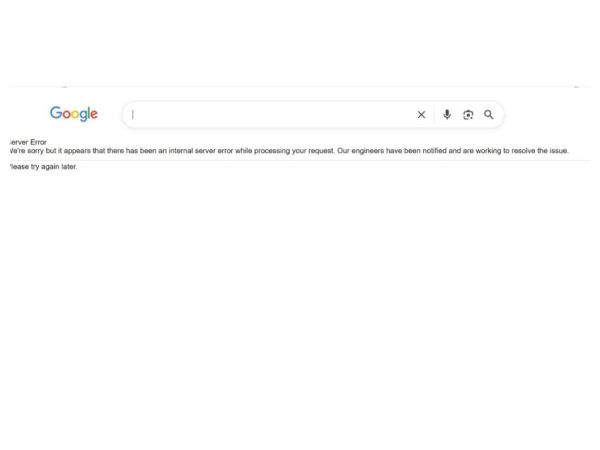
Is Google down? Server error leaves users perplexed
-
Google outage May 12, 2026: Search down for users, Downdetector spike hits 100+; 54% report search