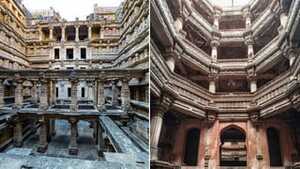
New Delhi: Gujarat’s stepwells, locally known as vavs, are among India’s most remarkable architectural landmarks. Built between the 5th and 19th centuries in regions with limited water resources, these underground structures were designed to store water while also serving as spaces for rest, gatherings and spiritual activities. Many of these stepwells feature carved pillars, sculpted walls and multi-level corridors that reflect the craftsmanship of their time. Gujarat is home to several historic stepwells, including UNESCO-recognised monuments and lesser-known engineering marvels carved into rock.
These historic travel destinations, which continue to attract travellers, photographers and heritage lovers equally, not only highlight advanced water-management systems used in ancient India but also offer insight into the state’s cultural and artistic history. If you are planning a heritage-focused Gujarat trip, these famous vavs deserve a place on your itinerary. Explore the list here.
Famous stepwells in Gujarat Rani Ki Vav, PatanRecognised as a UNESCO World Heritage Site, Rani Ki Vav in Patan is one of Gujarat’s most celebrated architectural landmarks. Built in the 11th century by Queen Udayamati in memory of King Bhimdev I, the stepwell is known for its seven-tier structure and elaborate carvings. More than 1,500 sculptures depicting deities, celestial figures and mythological themes can be seen across its walls and pillars.
Adalaj Ni Vav, GandhinagarLocated near Gandhinagar, Adalaj Ni Vav stands out for its detailed Indo-Islamic design elements. Built in 1499 for Queen Rudabai, the five-storey stepwell combines Hindu, Jain and Islamic architectural influences. Its carved corridors, decorative ceilings and three separate entrances make it one of Gujarat’s most visited heritage sites.
Dada Harir Ni Vav, AhmedabadThis historic stepwell in Ahmedabad was commissioned in 1501 by Bai Harir, a superintendent in Sultan Mahmud Begada’s royal household. Built using sandstone, the structure is admired for its symmetrical design, intricate carvings and deep central shaft. The descending stairways create a visually striking underground passage.
Navghan Kuvo, JunagadhSituated inside Junagadh’s Uperkot Fort, Navghan Kuvo is among Gujarat’s oldest surviving stepwells. Unlike many ornate vavs, this structure was carved directly into rock and features a circular staircase winding around the well shaft. Its design reflects the practical engineering methods used for water access during earlier periods.
Adi Kadi Vav, JunagadhAlso located within Uperkot Fort, Adi Kadi Vav is known for its dramatic rock-cut staircase. Historians believe the structure dates back several centuries, although its exact origins remain debated. The narrow stairway descending through solid rock continues to draw visitors interested in ancient Indian engineering.
Helical Stepwell, ChampanerThe Helical Stepwell in Champaner is recognised for its unusual spiral layout. Unlike heavily ornamented stepwells, this structure follows a simpler design focused on functionality and water conservation. Its circular descent highlights the innovation used in Gujarat’s historic water-management systems.
Navlakha Vav, VadodaraDating back to the Solanki period, Navlakha Vav is a deep and architecturally elegant stepwell located near Vadodara. Decorative pillars, carved motifs and its impressive depth continue to make it an important example of medieval Gujarat architecture.
Gujarat’s historic stepwells continue to reflect the region’s rich architectural and cultural heritage centuries later.
-
'Getting Fired...': PR Sreejesh Questions Hockey India's Preference For Foreign Coaches In Emotional Social Media Post

-
Who Is Golshifteh Farahani, Actress Allegedly In 'Platonic Relationship' With French President Emmanuel Macron?

-
India Declines Sanctioned Russian LNG Amid US Pressure & Middle East Energy Crisis: Report

-
Out of GT's 8 wins in IPL, 7 Player of the Match awards went to bowlers

-
Prasidh Krishna To Return? GT's Strongest XI vs SRH- IPL 2026, Match 56