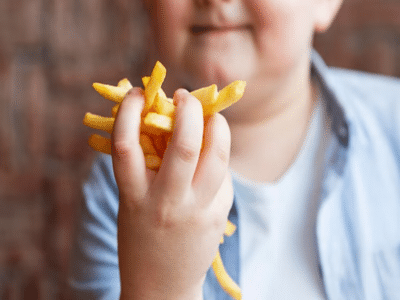
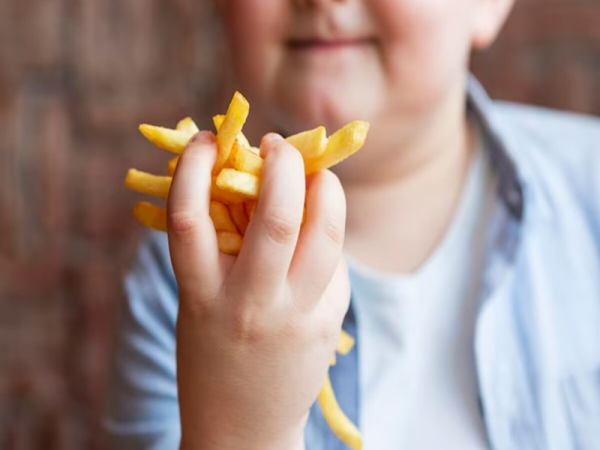
We all know that junk food is harmful to the body, but did you know that it also has a profound impact on your child's brain?
During adolescence, a child's brain undergoes rapid development. Consequently, dietary habits play a crucial role during this phase. A diet rich in packaged snacks, refined sugar, and unhealthy fats has a severely detrimental effect on the parts of the brain responsible for memory, learning capacity, concentration, and emotional regulation.

Let us turn to Dr. Avijit Prakash Yadav, Consultant Neonatologist at Kailash Deepak Hospital, to understand how junk food compromises children's mental health and what parents can do to safeguard against it.
**How Does Junk Food Affect the Brain?**
Consuming junk food disrupts the communication pathways between brain cells. Research indicates that a diet high in highly processed foods can alter the brain's "reward system." This directly impacts cognitive flexibility—meaning a child's ability to adapt to new situations, learn, and maintain focus begins to diminish.
**Symptoms Observed in Children Who Consume Excessive Junk Food**
Children who regularly consume junk food may, over time, become susceptible to a range of mental and behavioral issues:
**Distractibility:** Inability to sustain attention on a task for extended periods.
**Reduced Concentration:** Difficulty focusing on studies or other activities.
**Irritability:** Feeling angry or agitated over trivial matters.
**Mental Fatigue:** Experiencing mental exhaustion quickly.
**Poor Memory:** Difficulty retaining learned information over the long term.
**Nutrient Deficiencies and "Energy Swings"**
The development of a healthy brain requires essential nutrients—such as vitamins, minerals, proteins, iron, zinc, and healthy fats—which are completely absent in junk food.
PC Social Media
-
National Technology Day 2026: Pan IIT Alumni India Chairman Prabhat Kumar Calls For Deep-Tech Push

-
HBSE Class 12 Result 2026 Out: Overall Pass Percentage Stands At 84.67%

-
Maharashtra CET Cell Announces Grievance Window For MAH-MHT CET 2026 PCB exam; Raise Objections From May 13 To May 15
-
Krishnavataram Part 1, Daadi Ki Shaadi Box Office Collection Prediction: Will Both Films Show A Jump On Tuesday?

-
West Asia Conflict: Pakistan’s Iran Mediation Under US Scanner As Reports Of Sheltering Iranian Aircraft Deepen Trump Administration Distrust