
Listen to this article in summarized format
Loading...
××
Subscribe to

Unlock AI Briefing and Premium Content
New Year Offer 24 Hours Left
Subscribe NowAlready a member? Sign In
What's Included
- Exclusive Stories
- Daily ePaper Access
- Smart Market Tools
- Curated Investment Ideas
- Ad-lite Experience
Subscription

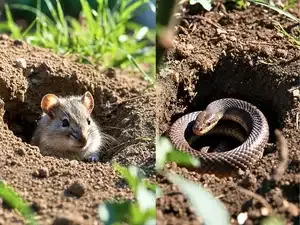
You walk into your garden, spot a mysterious hole near a plant pot, and suddenly your brain goes straight to one thing: snake.
But most holes found in Indian gardens are actually made by rodents like rats, mice, or bandicoots — not snakes. And knowing the difference can save you from panic, unnecessary damage to your garden, and even dangerous mistakes.
The good news? Snake holes and rodent holes usually leave very different clues behind.
Most snakes are not natural diggers. Instead of creating burrows from scratch, they often move into holes that already exist — especially abandoned rodent burrows.
That is why the area around the hole becomes the biggest clue.
You usually will not see fresh mud or soil thrown outside because the snake did not dig it recently. The entrance tends to look round and undisturbed.
These holes are commonly found in cool, shaded, or damp corners of a garden — under rocks, thick plants, wood piles, or near water sources.
Another possible sign? Shed snake skin nearby.
Unlike rodent burrows, snake shelters are also usually simpler, often with a single visible entrance and not much digging activity around them.
The edges often appear rough, with fresh soil, dirt pellets, or tiny mounds outside the opening. In many cases, there are multiple connected holes forming a tunnel system underground.
These are commonly found near food sources, compost piles, walls, garbage areas, or open spaces in the garden.
You may also notice droppings, scratch marks, or movement during the day or night.
Rodent holes are far more common than snake shelters in most Indian home gardens.
Instead, observe the area for a few days from a safe distance.
Rodent burrows usually show regular activity, especially around dawn or evening. Fresh soil outside the hole is also a strong sign of active digging.
If you genuinely suspect a snake may be using the space, avoid handling it yourself. Wildlife rescuers and local forest officials are trained to safely inspect and relocate snakes if needed.
Meanwhile, keeping the garden clean can help prevent both rodents and snakes from settling in.
Simple steps like trimming overgrown grass, removing leftover food, clearing junk piles, and managing compost properly can make a huge difference.
(Disclaimer: This story is for informational purposes only.)
But most holes found in Indian gardens are actually made by rodents like rats, mice, or bandicoots — not snakes. And knowing the difference can save you from panic, unnecessary damage to your garden, and even dangerous mistakes.
The good news? Snake holes and rodent holes usually leave very different clues behind.
First things first: snakes usually do not dig holes
This is the part many people do not know.Most snakes are not natural diggers. Instead of creating burrows from scratch, they often move into holes that already exist — especially abandoned rodent burrows.
That is why the area around the hole becomes the biggest clue.
What does a snake hole usually look like?
Snake-used holes are often neat, smooth, and surprisingly clean.You usually will not see fresh mud or soil thrown outside because the snake did not dig it recently. The entrance tends to look round and undisturbed.
These holes are commonly found in cool, shaded, or damp corners of a garden — under rocks, thick plants, wood piles, or near water sources.
Another possible sign? Shed snake skin nearby.
Unlike rodent burrows, snake shelters are also usually simpler, often with a single visible entrance and not much digging activity around them.
Rodent holes look messier — and far more common
Rodent burrows, on the other hand, are usually easier to spot because they look actively used.The edges often appear rough, with fresh soil, dirt pellets, or tiny mounds outside the opening. In many cases, there are multiple connected holes forming a tunnel system underground.
These are commonly found near food sources, compost piles, walls, garbage areas, or open spaces in the garden.
You may also notice droppings, scratch marks, or movement during the day or night.
Rodent holes are far more common than snake shelters in most Indian home gardens.
So what should you do if you find one?
it is strongly advised to not poke sticks into the hole or try to block it immediately.Instead, observe the area for a few days from a safe distance.
Rodent burrows usually show regular activity, especially around dawn or evening. Fresh soil outside the hole is also a strong sign of active digging.
If you genuinely suspect a snake may be using the space, avoid handling it yourself. Wildlife rescuers and local forest officials are trained to safely inspect and relocate snakes if needed.
Meanwhile, keeping the garden clean can help prevent both rodents and snakes from settling in.
Simple steps like trimming overgrown grass, removing leftover food, clearing junk piles, and managing compost properly can make a huge difference.
(Disclaimer: This story is for informational purposes only.)