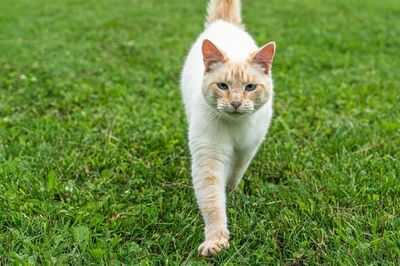
Discovering cat poop in your garden is among the most common neighbourhood rows in the UK, especially during the spring and summer months when residents spend more time outside. However, despite the annoyance, many homeowners are astonished to learn there is very limited legal protection available.
Under UK law, cats are typically considered to possess a 'right to roam' which means they are legally permitted to venture into neighbouring gardens and properties. Unlike dogs, cat owners are generally not liable if their pet enters another person's land and fouls there. This means your neighbour is not automatically breaching the law if their cat repeatedly utilises your flowerbeds as a toilet. This frequently leaves residents frustrated, particularly when gardens are regularly dug up or damaged.
Britain is home to approximately 11 million pet cats, according to animal welfare estimates, making roaming felines a widespread residential concern. Freshly turned soil, flowerbeds and vegetable patches prove particularly appealing because they are straightforward to dig in and help conceal waste.
Cats Protection advises homeowners should avoid harming or trapping cats because they are protected under the Animal Welfare Act 2006. Injuring cats using deterrents or poisons could potentially constitute a criminal offence.
Nevertheless, there are certain circumstances where councils might intervene if the situation becomes severe. Legal guidance indicates large-scale animal fouling could potentially be classified as a statutory nuisance under the Environment Protection Act 1990 if it presents a significant health risk or ongoing nuisance.
In reality, experts suggest this would typically require extreme conditions involving substantial numbers of animals or continuous excessive fouling over an extended timeframe. A solitary cat periodically visiting a garden would seldom satisfy such criteria.
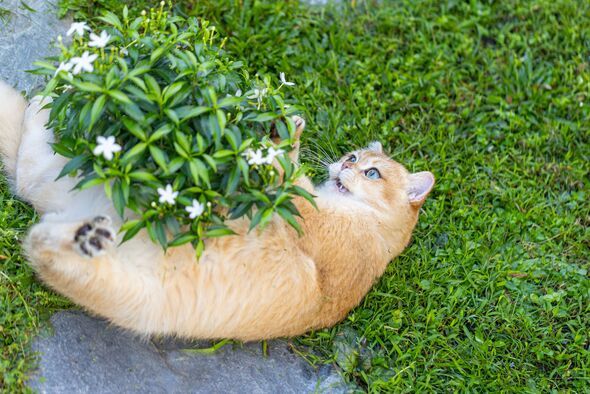
Animal charities recommend employing humane deterrents as an alternative, including motion-activated sprinklers, citrus scents, prickly plants, gravel borders or tall fencing. Cats Protection and the RSPCA both advise against approaches that could result in harm to the animal.
The matter triggers passionate online discussion with homeowners expressing frustration about the odour and destruction caused by wandering cats. Reddit users debated appropriate responses in a post where they considered various different approaches.
"Pepper is quite effective," suggested one, while another added: "You can buy a motion detection sprinkler from Amazon - it's the only thing that worked for us. You connect it to your hosepipe and make sure it doesn't accidentally soak the neighbours when they're gardening and you're sorted."
A third continued: "Water pistol is good and there are some environmentally friendly items like citrus gel or Lions compost. But at end of day, they will poo where they want as will the birds, foxes and badgers that might visit your garden."
Further guidance followed: "Generally they like loose soil. Grow ground cover plants on open soil areas - also make it more difficult for them to get in: block off common access routes.
"If cats don't feel they have a safe quick out of a place, they are less likely to be relaxed enough to go to the toilet. Basically make it feel less safe for them, chase them off when you see them - you don't have to be mean, just unnerving."
-
'Gripping' series with 'twisty mysteries' perfect for crime drama fans is returning

-
Royal gives rare glimpse inside major family celebration with behind the scenes pictures

-
Trump Administration Officials Under Fire for Candid Remarks

-
GB News abruptly halted for bombshell David Lammy announcement

-
Princess Kate health update issued ahead of first overseas trip since cancer diagnosis