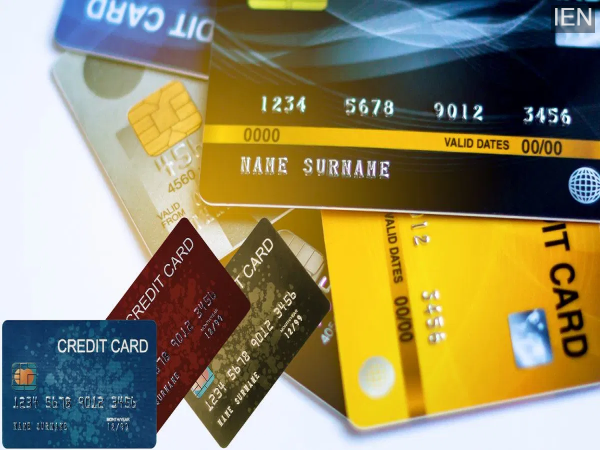
Using a credit card has become a normal part of daily life for millions of people in India. From online shopping and travel bookings to utility bill payments and restaurant expenses, credit cards offer convenience, cashback rewards, and attractive loyalty benefits. However, financial experts are warning that casually sharing your credit card with friends or relatives could create unexpected income tax troubles.
Many people allow family members or close friends to use their credit cards to earn additional reward points, take advantage of special discounts, or improve spending-based benefits. While this may seem harmless, the Income Tax Department closely monitors financial transactions, and unusually high spending patterns can sometimes raise suspicion.
If the total expenses made through a credit card appear significantly higher than the cardholder’s declared income, the tax department may issue a notice seeking clarification.
Why Credit Card Sharing Can Become Risky
When someone else uses your credit card, all transactions are still recorded under your name. From the perspective of banks and tax authorities, the cardholder remains fully responsible for every expense made through that card.
This becomes problematic when the spending level shown on the card does not match the income declared in income tax returns.
For example, if a taxpayer reports a moderate annual income but large purchases and luxury transactions are regularly appearing on the linked credit card, authorities may suspect undisclosed income or unreported financial activity.
In such cases, the Income Tax Department may begin scrutiny or ask the taxpayer to explain the source of funds used for those transactions.
AIS and Form 26AS Help Authorities Track Financial Activity
The government now uses advanced digital systems to monitor taxpayers’ financial records more efficiently.
Two important tools used for this purpose are:
- Annual Information Statement (AIS)
- Form 26AS
These records contain detailed financial information, including:
- Reported income
- TDS details
- Banking transactions
- Investment activity
- High-value purchases
- Credit card payments
Banks and credit card companies are required to report certain high-value transactions to the government. When taxpayers file their Income Tax Returns (ITR), authorities compare their declared income with spending patterns and financial activity reflected in AIS and Form 26AS.
If there is a large mismatch between income and expenditure, the taxpayer may come under scrutiny.
High Spending on a Single Card Can Raise Red Flags
Problems often arise when multiple people use one credit card for different expenses.
A single card may suddenly show:
- Expensive shopping
- Travel bookings
- Business-related purchases
- Luxury payments
- Large online transactions
Even if these expenses were made by friends or relatives, the tax department may still treat them as the cardholder’s spending unless proper documentation is available.
If authorities are not satisfied with the explanation or source of payments, they could classify some transactions as unexplained or undisclosed income. This may lead to penalties, tax demands, or further investigation.
Business Expenses Require Proper Documentation
Using a personal credit card for business expenses can create additional complications.
Taxpayers claiming business-related expenditures in their Income Tax Return must maintain clear records of:
- Bills and invoices
- Payment details
- Business purpose of transactions
- Source of funds
- Reimbursements received
If proper documents are missing or inconsistent, the Income Tax Department may question the legitimacy of those expenses.
Experts advise taxpayers to maintain separate records for personal and business spending whenever possible.
Important Documents You Should Preserve
Financial experts recommend keeping complete records if someone else contributes toward your credit card bill or reimburses expenses.
Documents that should be safely preserved include:
- Bank transfer receipts
- Gift records
- Loan repayment proofs
- Property sale documents
- Gold sale records
- Retirement fund withdrawal documents
- Payment screenshots and invoices
These records can help prove the legitimate source of funds if the tax department seeks clarification.
How to Avoid Income Tax Notices Related to Credit Cards
Experts say taxpayers should regularly review their financial records to ensure everything matches correctly.
To reduce the risk of notices or scrutiny:
- Check AIS, TIS, and Form 26AS regularly
- Verify that all financial information is accurate
- File Income Tax Returns with complete and correct details
- Avoid unnecessary high-value transactions
- Maintain proof for large payments and reimbursements
- Keep separate records for business and personal expenses
- Use credit cards responsibly and avoid excessive sharing
Tax professionals also suggest that instead of sharing a primary credit card, family members can use add-on cards or maintain separate cards linked to their own income profiles.
Digital Monitoring Has Increased Significantly
India’s tax system has become increasingly data-driven over the past few years. With improved digital tracking systems, authorities can now monitor financial activity more effectively than before.
As a result, even routine financial behavior like frequent high-value card usage can attract attention if it does not align with declared income.
While sharing a credit card with trusted family members may appear convenient, taxpayers are being advised to remain cautious and maintain proper documentation to avoid future tax complications.
In the current financial environment, transparency and accurate record-keeping have become more important than ever.
-
FACT Check: Has Prabhsimran Singh Gained 10 KGs? Viral Claim Emerges Amid Punjab Kings’ IPL 2026 Slump

-
NEET UG 2026 Cancelled After Rajasthan SOG Probe; NTA Orders Re-Exam and CBI Investigation
-
NEET UG 2026 Cancelled: NTA Explains 5 Big Decisions Every Re-Exam Candidate Must Know

-
NEET UG 2026 Paper Leak Probe Points to Rajasthan; Investigators Examine Alleged Network Linked to Sikar
-
NEET UG 2026 Leak Probe Deepens: “Forwarded Many Times” WhatsApp Message Triggers Massive Investigation