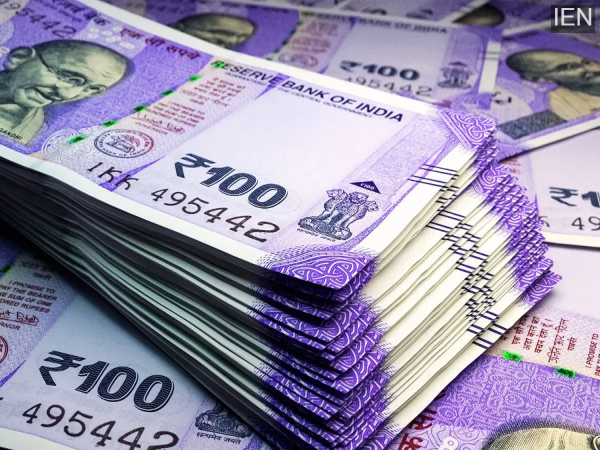
Railway pensioners and family pensioners across India are set to receive higher monthly payouts after the Central Government approved a fresh increase in Dearness Relief (DR). The latest revision raises the DR rate from 58 percent to 60 percent, offering additional financial support to retired railway employees amid rising living costs.
The revised Dearness Relief will be considered effective from January 1, 2026, and the updated pension amount is expected to start reflecting in beneficiaries’ bank accounts soon. The move comes after an official notification issued by the Ministry of Railways, bringing welcome news for lakhs of retired employees and their families.
The DR hike is not limited to railway pensioners alone. The decision will also benefit millions of retired central government employees and serving staff members who are eligible for Dearness Allowance (DA) and Dearness Relief revisions under the recommendations of the 7th Pay Commission.
DR Increased From 58% to 60%
According to the order released by the Railway Ministry on May 7, 2026, the Dearness Relief payable to railway pensioners and family pensioners has been increased by 2 percentage points. Earlier, pensioners were receiving DR at the rate of 58 percent. Following the revision, the new applicable rate has become 60 percent.
Before the railway notification, the Department of Pension and Pensioners’ Welfare had also issued an office memorandum on April 24, 2026, confirming that the revised DR rates would apply to railway pensioners as well.
The increase has been introduced to provide relief from inflation and rising household expenses. Dearness Relief is revised periodically by the government to help pensioners maintain purchasing power despite increasing market prices.
How Much Extra Money Will Pensioners Receive?
With the latest hike, pensioners will notice an increase in their monthly pension payments. The exact benefit will depend on the amount of their basic pension.
For example:
- If a pensioner receives a basic pension of ₹10,000 per month, earlier they were getting ₹5,800 as DR at the 58 percent rate, taking the total monthly pension to ₹15,800.
- After the DR increase to 60 percent, the DR amount becomes ₹6,000, and the total monthly pension rises to ₹16,000.
- This means such pensioners will receive ₹200 extra every month.
Similarly:
- Pensioners drawing a basic pension of ₹50,000 will now receive an additional ₹1,000 every month due to the revised DR rate.
Those with higher pension amounts will naturally receive a larger increase in monthly payouts. The revised rates are expected to benefit pensioners across different pay scales.
Central Government Had Approved DA and DR Hike Earlier
The decision to raise Dearness Allowance for employees and Dearness Relief for pensioners was approved by the Central Government on April 18, 2026. The government stated that the revision was aimed at reducing the financial pressure caused by inflation.
Dearness Allowance is provided to serving central government employees, while Dearness Relief is extended to retired employees and pensioners. Both are revised using a formula linked to inflation data and the recommendations of the 7th Central Pay Commission.
The government periodically reviews these rates to ensure that salaries and pensions remain aligned with changing economic conditions.
Crores of Employees and Pensioners to Benefit
The Ministry of Finance has estimated that the latest DA and DR revision will put an additional annual burden of around ₹6,791.24 crore on the government treasury. Despite the increased expenditure, the move is expected to provide significant relief to a large section of the population dependent on government salaries and pensions.
Official figures suggest that nearly 50.46 lakh central government employees and around 68.27 lakh pensioners will benefit from this latest revision.
The increase is particularly important for retired employees who rely heavily on pension income to manage daily expenses, healthcare costs, and household needs. Family pensioners are also expected to gain from the revised Dearness Relief structure.
Why the DR Hike Matters
The latest increase comes at a time when inflation and rising prices continue to affect household budgets. Even a small percentage increase in Dearness Relief can make a noticeable difference for pensioners, especially senior citizens who depend primarily on fixed monthly income.
Financial experts believe that regular revisions in DR and DA help maintain the real value of pensions and salaries. For railway pensioners and retired government staff, the increase is expected to bring some relief from increasing costs related to food, healthcare, electricity, and other essentials.
With the new 60 percent DR rate now approved, pensioners can expect higher monthly payments and possible arrears from January 2026, depending on departmental processing timelines.
-
FACT Check: Has Prabhsimran Singh Gained 10 KGs? Viral Claim Emerges Amid Punjab Kings’ IPL 2026 Slump

-
NEET UG 2026 Cancelled After Rajasthan SOG Probe; NTA Orders Re-Exam and CBI Investigation
-
NEET UG 2026 Cancelled: NTA Explains 5 Big Decisions Every Re-Exam Candidate Must Know
-
NEET UG 2026 Paper Leak Probe Points to Rajasthan; Investigators Examine Alleged Network Linked to Sikar
-
NEET UG 2026 Leak Probe Deepens: “Forwarded Many Times” WhatsApp Message Triggers Massive Investigation