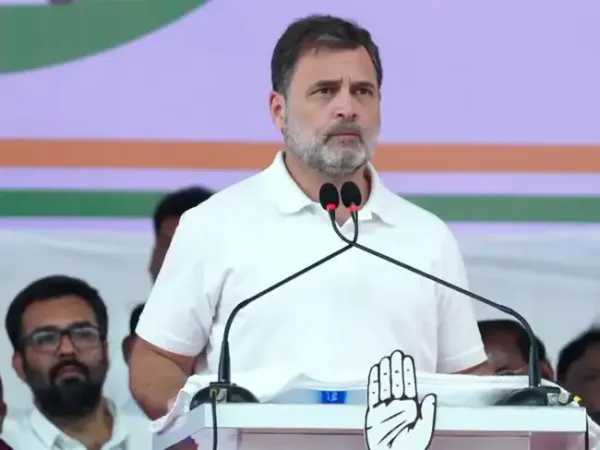
Leader of Opposition Rahul Gandhi on Tuesday formally recorded his dissent over the selection process for the next director of the Central Bureau of Investigation, accusing the government of withholding crucial information on candidates and reducing the statutory committee process to a “mere formality”.
In a strongly worded letter addressed to Prime Minister Narendra Modi, who chairs the high-powered committee that selects the CBI director, Gandhi said in a post on X that he could not “abdicate” his constitutional responsibility by participating in what he described as a “biased exercise”. The Congress leader also posted the letter publicly on social media, saying the Leader of Opposition “is not a rubber stamp”.
The committee responsible for appointing the CBI director comprises the Prime Minister, the Chief Justice of India or his nominee, and the Leader of Opposition in the Lok Sabha. The mechanism was put in place following Supreme Court directives aimed at insulating the federal investigative agency from political interference.
In his letter, Gandhi alleged that despite repeated written requests, he was denied access to self-appraisal reports and “360-degree” assessment reports of eligible candidates. Instead, he said, he was expected to review the appraisal records of 69 candidates for the first time during the committee meeting itself.
The Leader of Opposition further accused the government of repeatedly misusing the CBI to target political opponents, journalists and critics, arguing that the inclusion of the opposition leader in the selection panel was intended precisely to prevent “institutional capture”. “By denying the Selection Committee crucial information, the government has reduced it to a mere formality,” he wrote.
Gandhi also referred to earlier instances where he had registered objections over the process, stating that he had recorded dissent during a previous committee meeting held on May 5, 2025, and had written to the Prime Minister in October 2025 suggesting measures for a “fair and transparent process”, but had received no response.
The remarks come amid continuing political sparring between the ruling BJP and the opposition over the functioning and independence of central investigative agencies, including the CBI and the Enforcement Directorate. Opposition parties have frequently alleged selective use of federal agencies against political rivals, a charge the government has repeatedly denied.
In a strongly worded letter addressed to Prime Minister Narendra Modi, who chairs the high-powered committee that selects the CBI director, Gandhi said in a post on X that he could not “abdicate” his constitutional responsibility by participating in what he described as a “biased exercise”. The Congress leader also posted the letter publicly on social media, saying the Leader of Opposition “is not a rubber stamp”.
The committee responsible for appointing the CBI director comprises the Prime Minister, the Chief Justice of India or his nominee, and the Leader of Opposition in the Lok Sabha. The mechanism was put in place following Supreme Court directives aimed at insulating the federal investigative agency from political interference.
In his letter, Gandhi alleged that despite repeated written requests, he was denied access to self-appraisal reports and “360-degree” assessment reports of eligible candidates. Instead, he said, he was expected to review the appraisal records of 69 candidates for the first time during the committee meeting itself.
“A detailed review of these records is crucial to assess each candidate’s history and performance,” Gandhi wrote, adding that the denial of information “without any legal basis” undermined the integrity of the selection process and ensured that only a “pre-decided candidate” would ultimately be chosen.
The Leader of Opposition further accused the government of repeatedly misusing the CBI to target political opponents, journalists and critics, arguing that the inclusion of the opposition leader in the selection panel was intended precisely to prevent “institutional capture”. “By denying the Selection Committee crucial information, the government has reduced it to a mere formality,” he wrote.
Gandhi also referred to earlier instances where he had registered objections over the process, stating that he had recorded dissent during a previous committee meeting held on May 5, 2025, and had written to the Prime Minister in October 2025 suggesting measures for a “fair and transparent process”, but had received no response.
The remarks come amid continuing political sparring between the ruling BJP and the opposition over the functioning and independence of central investigative agencies, including the CBI and the Enforcement Directorate. Opposition parties have frequently alleged selective use of federal agencies against political rivals, a charge the government has repeatedly denied.