Many people spend their lives admiring someone they believe is braver, freer, wiser, or more extraordinary than themselves. Sometimes it is a celebrity, a writer, an artist, or a leader. Other times, it is an imagined version of greatness that exists only in the mind. That admiration can inspire growth, but it can also become consuming, turning into a quiet longing to escape one’s ordinary self and become something larger. People chase success, intelligence, recognition, and perfection, believing those things will finally make them feel fulfilled. Yet even after achieving what once seemed important, many still feel that something essential is missing.
That emotional emptiness often points toward deeper human needs: connection, compassion, and love. Practical achievement may improve life, but emotional warmth is what gives it meaning.
Quote of the Day by William Wordsworth: “Love betters what is best”
The quote is frequently attributed to William Wordsworth by many outlets, including Goodreads and QuoteFancy. However, the phrase is also often noted as a translation connected to the work of Michelangelo, as referenced by the Sue Brewton website.
At first glance, this 5-word quote feels very short and simple. But its meaning runs deep. “Love betters what is best” suggests that even the finest things in life become more meaningful when they are guided by care, compassion, and emotional connection. Talent becomes more powerful with kindness. Intelligence becomes wiser with empathy. Success feels richer when shared with people we love.
Also Read: Quote of the day by Pulitzer winning ‘The Grapes of Wrath’ author John Steinbeck: ‘It's so much darker when a light goes out than it would…’ – on loss and memory
The quote also quietly challenges a common modern mindset. Many people chase perfection, status, or recognition, believing those things alone will bring fulfillment. But Wordsworth’s idea points toward something more human. A person may already possess something “best” skill, beauty, achievement, knowledge, or strength, yet love is what gives it warmth and purpose.
In everyday life, this can apply almost anywhere. A teacher becomes unforgettable when they genuinely care about students. Parenting becomes meaningful through affection, not just responsibility. Friendships last because of emotional honesty, not convenience. Even hard work feels lighter when done for people we value. The quote reminds readers that human connection often improves the very best parts of life.
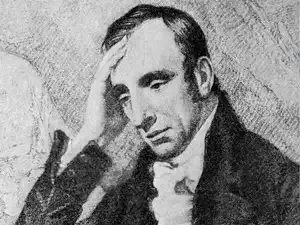
William Wordsworth was one of the most important figures of English Romanticism and is widely remembered for reshaping poetry around emotion, nature, and ordinary human life. Born on April 7, 1770, in Cockermouth, Cumberland, in England’s Lake District, Wordsworth grew up surrounded by rivers, hills, and natural beauty that would later define much of his writing. He was the son of John and Ann Cookson Wordsworth and developed a deep emotional bond with nature during childhood.
His early years, however, were also marked by personal loss. His mother died in 1778, and his father died a few years later in 1783 after falling ill. These experiences deeply shaped his emotional and philosophical outlook.
Wordsworth attended grammar school near Cockermouth Church and later studied at St. John’s College, Cambridge. During his youth, he traveled across Europe, including the Alps, experiences that expanded both his imagination and sympathy for ordinary people.
He became best known for Lyrical Ballads, written with Samuel Taylor Coleridge, and for The Prelude, a major autobiographical poem exploring the growth of a poet’s mind. His most famous poems include "[I Wandered Lonely as a Cloud] Daffodils," "Tintern Abbey," and the influential "The Prelude"
Unlike many writers of his time, Wordsworth believed poetry should speak in the language of common people rather than in overly formal or artificial styles. His work often focused on memory, childhood, emotions, and humanity’s connection to nature.
Wordsworth believed human emotions were not weaknesses but essential parts of wisdom and truth. His poetry repeatedly explored how love, memory, nature, and emotional reflection shape a meaningful life.
He saw beauty not only in grand ideas but also in ordinary human experiences, like a quiet river, childhood friendship, family bonds, or moments of reflection in nature. That worldview fits closely with the quote “Love betters what is best.”
For Wordsworth, love was not just romance. It was a force that softened ambition, deepened understanding, and connected people to something larger than themselves. His writing often suggested that human beings lose balance when they become too disconnected from emotion, simplicity, or nature.
Even after personal tragedy and financial struggles, Wordsworth continued to focus on emotional depth and spiritual reflection in his work. That is why many of his ideas still feel deeply personal centuries later.
In today’s fast-moving world, many people are encouraged to constantly improve themselves. Social media celebrates achievement, productivity, appearance, and success. But emotional connection often gets ignored in the process.
That is why this quote matters today. The idea that “love betters what is best” feels especially relevant in modern relationships, workplaces, parenting, education, and mental health conversations. People increasingly realize that success without emotional balance can feel empty.
A workplace becomes healthier when leadership includes empathy. Education becomes stronger when students feel understood. Families grow stronger through attention and emotional support rather than material comfort alone.
The quote also carries a quiet reminder for self-growth. Personal excellence matters, but compassion, kindness, and emotional honesty are often what make people truly memorable.
More than two centuries after Wordsworth wrote about human feeling and nature, his message still speaks to modern life: the best parts of being human become even better when guided by love.
That emotional emptiness often points toward deeper human needs: connection, compassion, and love. Practical achievement may improve life, but emotional warmth is what gives it meaning.
Quote of the Day by William Wordsworth: “Love betters what is best”
The quote is frequently attributed to William Wordsworth by many outlets, including Goodreads and QuoteFancy. However, the phrase is also often noted as a translation connected to the work of Michelangelo, as referenced by the Sue Brewton website.
What the quote is actually suggesting
At first glance, this 5-word quote feels very short and simple. But its meaning runs deep. “Love betters what is best” suggests that even the finest things in life become more meaningful when they are guided by care, compassion, and emotional connection. Talent becomes more powerful with kindness. Intelligence becomes wiser with empathy. Success feels richer when shared with people we love.
Also Read: Quote of the day by Pulitzer winning ‘The Grapes of Wrath’ author John Steinbeck: ‘It's so much darker when a light goes out than it would…’ – on loss and memory
The quote also quietly challenges a common modern mindset. Many people chase perfection, status, or recognition, believing those things alone will bring fulfillment. But Wordsworth’s idea points toward something more human. A person may already possess something “best” skill, beauty, achievement, knowledge, or strength, yet love is what gives it warmth and purpose.
In everyday life, this can apply almost anywhere. A teacher becomes unforgettable when they genuinely care about students. Parenting becomes meaningful through affection, not just responsibility. Friendships last because of emotional honesty, not convenience. Even hard work feels lighter when done for people we value. The quote reminds readers that human connection often improves the very best parts of life.
About William Wordsworth: The thinker behind the idea
William Wordsworth was one of the most important figures of English Romanticism and is widely remembered for reshaping poetry around emotion, nature, and ordinary human life. Born on April 7, 1770, in Cockermouth, Cumberland, in England’s Lake District, Wordsworth grew up surrounded by rivers, hills, and natural beauty that would later define much of his writing. He was the son of John and Ann Cookson Wordsworth and developed a deep emotional bond with nature during childhood.
His early years, however, were also marked by personal loss. His mother died in 1778, and his father died a few years later in 1783 after falling ill. These experiences deeply shaped his emotional and philosophical outlook.
Wordsworth attended grammar school near Cockermouth Church and later studied at St. John’s College, Cambridge. During his youth, he traveled across Europe, including the Alps, experiences that expanded both his imagination and sympathy for ordinary people.
He became best known for Lyrical Ballads, written with Samuel Taylor Coleridge, and for The Prelude, a major autobiographical poem exploring the growth of a poet’s mind. His most famous poems include "[I Wandered Lonely as a Cloud] Daffodils," "Tintern Abbey," and the influential "The Prelude"
Unlike many writers of his time, Wordsworth believed poetry should speak in the language of common people rather than in overly formal or artificial styles. His work often focused on memory, childhood, emotions, and humanity’s connection to nature.
William Wordsworth’s thinking style and philosophy behind the quote
Wordsworth believed human emotions were not weaknesses but essential parts of wisdom and truth. His poetry repeatedly explored how love, memory, nature, and emotional reflection shape a meaningful life.
He saw beauty not only in grand ideas but also in ordinary human experiences, like a quiet river, childhood friendship, family bonds, or moments of reflection in nature. That worldview fits closely with the quote “Love betters what is best.”
For Wordsworth, love was not just romance. It was a force that softened ambition, deepened understanding, and connected people to something larger than themselves. His writing often suggested that human beings lose balance when they become too disconnected from emotion, simplicity, or nature.
Even after personal tragedy and financial struggles, Wordsworth continued to focus on emotional depth and spiritual reflection in his work. That is why many of his ideas still feel deeply personal centuries later.
Why this idea still matters today
In today’s fast-moving world, many people are encouraged to constantly improve themselves. Social media celebrates achievement, productivity, appearance, and success. But emotional connection often gets ignored in the process.
That is why this quote matters today. The idea that “love betters what is best” feels especially relevant in modern relationships, workplaces, parenting, education, and mental health conversations. People increasingly realize that success without emotional balance can feel empty.
A workplace becomes healthier when leadership includes empathy. Education becomes stronger when students feel understood. Families grow stronger through attention and emotional support rather than material comfort alone.
The quote also carries a quiet reminder for self-growth. Personal excellence matters, but compassion, kindness, and emotional honesty are often what make people truly memorable.
More than two centuries after Wordsworth wrote about human feeling and nature, his message still speaks to modern life: the best parts of being human become even better when guided by love.