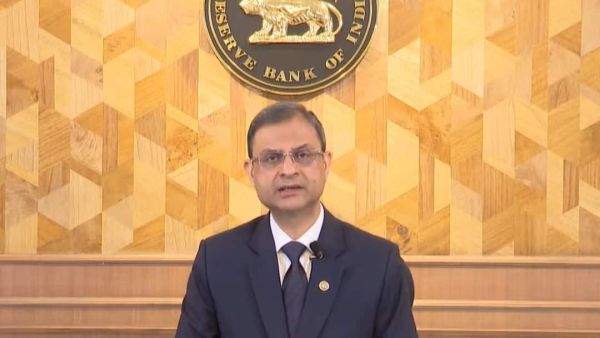
India may eventually have to increase petrol and diesel prices if tensions in the Middle East continue for an extended period, Reserve Bank of India Governor Sanjay Malhotra has indicated, as rising crude oil prices continue to pressure inflation, fuel imports and the broader economy.
Speaking at a conference hosted by the Swiss National Bank and the International Monetary Fund in Switzerland, Malhotra said the government may not be able to indefinitely shield consumers from rising global energy costs.
“If this is to continue for longer period of time, it is just a matter of time before the government will pass on some of the price increases,” Malhotra said.
Strait Of Hormuz Crisis Pushes Up Oil Prices
India, the world’s third-largest oil consumer, has been facing mounting pressure after tensions around the Strait of Hormuz disrupted energy supplies and drove crude oil prices sharply higher.
The disruption along the critical shipping route has intensified concerns over supply-chain risks, inflation and India’s rising energy import bill.
India imports the bulk of its crude oil requirements, making the economy particularly vulnerable to sustained increases in global oil prices. Higher crude prices raise transportation and manufacturing costs, pressure the rupee and contribute to inflationary trends.
Government, Oil Companies Absorbing Costs For Now
At present, the central government and state-run oil marketing companies are absorbing a significant portion of the increase in crude oil prices.
Excise duties on fuel have already been reduced, while oil marketing companies continue selling petrol and diesel below market-linked rates despite rising losses.
However, prices of several fuel products have already been revised upward. State-run fuel retailers have increased the prices of:
- commercial LPG cylinders
- industrial diesel
- 5-kg LPG cylinders
- jet fuel supplied to international airlines
Commercial LPG cylinder prices for 19-kg cylinders were recently raised by Rs 993.
Retail prices of petrol, diesel and domestic LPG cylinders, however, remain unchanged for now.
PM Modi Had Urged Citizens To Conserve Fuel
The developments come days after Prime Minister Narendra Modi urged citizens to voluntarily reduce petrol and diesel consumption and avoid unnecessary gold purchases to help conserve foreign exchange reserves.
Union Oil Minister Hardeep Singh Puri had also recently expressed concern over the financial pressure on oil marketing companies.
“How long will the oil companies be able to take it? Frankly, that worries me,” Puri said at an industry conference.
IMF Supports Passing On Higher Oil Costs
The International Monetary Fund has also supported passing on higher crude oil prices to consumers, while maintaining that India still has room to manage the present energy shock.
India’s fuel retail market remains largely dominated by state-owned refiners, which account for nearly 90% of fuel outlets across the country. Although state taxes vary, petrol and diesel prices are effectively cleared by the central government.
India’s retail inflation rose to 3.48% in April from 3.40% in March. However, inflation remained below expectations as the government absorbed part of the rise in crude oil prices.
Economists, however, remain concerned that prolonged high oil prices could:
- push inflation higher
- slow economic growth
- weaken the rupee
- widen the current account deficit
The RBI has projected economic growth of 6.9% for the current financial year and average inflation of 4.6%.
The central bank kept the repo rate unchanged at 5.25% in April. Malhotra said the RBI remains data-dependent and prepared to act if inflationary pressures become more persistent.
-
Gujarat Govt in Action Mode to Save Fuel, Mulls 'Work From Home' Model
-
Mangaluru: Underpass to come up near Kuloor bridge on NH-66
-
Udupi: Permission only for scanning centres following rules, says Deputy Commissioner Swaroopa

-
Bhuvneshwar Kumar Shines in IPL 2026: Irfan Pathan Highlights His Mastery

-
Rajasthan High Court Raises Concerns Over Tree Cutting for Solar Projects