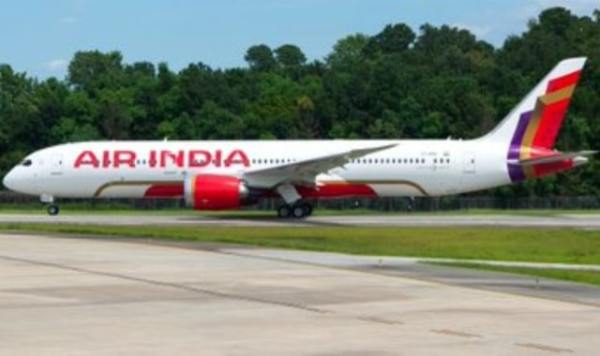
New Delhi: Air India has suspended and reduced several international flights as rising jet fuel prices and ongoing airspace restrictions continue to strain airline operations. The Tata-owned carrier has implemented these cuts across its global network for a three-month period starting June, signalling growing pressure on long-haul routes.
According to reports, the airline has taken significant steps to manage escalating costs, including suspending flights from Delhi to key international destinations such as Chicago, Newark, Singapore and Shanghai.
In addition to suspensions, Air India has reduced frequencies on several major routes, including San Francisco, Paris and Toronto. Overall, nearly 100 daily flights have reportedly been trimmed from its schedule.
Fuel price surge impacts operations
The primary driver behind these decisions is the sharp rise in global jet fuel prices. The increase has been linked to ongoing geopolitical tensions in West Asia, particularly around critical oil transit routes such as the Strait of Hormuz.
Reports indicate that global average jet fuel prices surged to $162.89 per barrel for the week ending May 8, 2026, compared to $99.40 per barrel at the end of February. This steep increase has significantly affected airline economics.
Fuel accounts for nearly 40 per cent of an airline’s total operating cost, making it one of the most critical factors influencing profitability. As prices rise, airlines are often forced to either increase fares or cut services to manage financial pressure.
Airspace restrictions add to burden
Apart from fuel costs, airspace restrictions have further complicated operations for Air India. The closure of Pakistani airspace has forced the airline to reroute several Europe- and North America-bound flights, increasing travel time and fuel consumption.
These longer routes have also led to higher crew costs and operational complexities. In some cases, flights to North America are making technical stops in cities such as Vienna and Stockholm, adding to overall expenses.
Industry observers note that these challenges have had a greater impact on Air India compared to some low-cost carriers, which operate fewer long-haul routes.
More cuts likely if situation persists
Air India has indicated that further reductions may be on the horizon if current conditions continue. CEO Campbell Wilson reportedly informed employees that several international routes have become financially unviable due to sustained high costs.
A senior airline official was quoted as saying, “We are not recovering even the operating cost on most flights. A sustained increase will force us to cut more.”
The statement underscores the severity of the situation, as airlines typically rely on international routes for higher margins compared to domestic operations.
Industry seeks government support
The broader aviation sector has also raised concerns over rising operational costs. The Federation of Indian Airlines, which represents carriers such as Air India and IndiGo, has warned that airlines may be forced to suspend more services unless cost pressures are addressed.
While the government rolled back a domestic aviation fuel price hike in April, airlines have reportedly not received similar relief for international operations.
Jet fuel prices in Delhi are currently said to be nearly double the levels seen in March, further intensifying the financial strain on carriers.
Impact of global energy crisis
The situation is closely tied to the ongoing global energy crisis, driven in part by geopolitical tensions involving Iran and the wider West Asia region. Elevated crude oil prices have increased fuel costs across industries, with aviation being among the hardest hit.
Prime Minister Narendra Modi had recently urged citizens to reduce fuel consumption and avoid unnecessary travel, highlighting the need to conserve foreign exchange during this period of economic stress.
Impact on passengers
For passengers, the reduction in flights could lead to higher ticket prices and limited availability on certain international routes. Longer travel times due to rerouting may also affect convenience for travellers heading to Europe and North America.
Travel plans during the upcoming months may require greater flexibility, as airlines continue to adjust schedules in response to evolving cost dynamics.
Conclusion
Air India’s decision to cut and suspend international flights reflects the mounting challenges faced by the aviation sector amid rising fuel costs and geopolitical uncertainties. With both external and operational pressures intensifying, airlines are being forced to take difficult decisions to remain viable.
If fuel prices remain elevated and airspace restrictions persist, further disruptions to international travel could follow. For now, both airlines and passengers are navigating a period of uncertainty shaped by global economic and political developments.
-
Hockey India Clarifies PR Sreejesh's Coaching Status Amid Controversy

-
Neeraj Chopra and Manu Bhaker Secure Training Approvals Ahead of Major Competitions

-
Natalie Harp's Role in Trump's Truth Social Management Under Scrutiny

-
West Bengal Government to Launch New Initiatives for Women

-
BBC legend died penniless as heartbroken wife sold engagement ring