Fuel price hikes are becoming inevitable to shield the economy from a widening trade deficit. Foreign investors have heavily sold Indian equities since the US war against Iran because of India's inordinate dependence on crude oil and natural gas imports. This has piled additional pressure on the rupee, which has fared particularly poorly among emerging market currencies.
Policy focus has shifted to managing the trade deficit, and a key lever is higher fuel prices to dampen demand. Transmission of international prices to consumers is expected to be partial in keeping with previous responses to energy shocks. The burden will most likely be shared among consumers, refiners and GoI.
The economy is better placed this time around to absorb an energy shock. Growth was strong and inflation low as hostilities erupted in the Persian Gulf. Both metrics will be affected by a fuel price hike. But there is enough headroom to tackle limited disruption in global energy supply.
RBI's monetary stance prior to the crisis in West Asia suggested an extended period of stable interest rates. GoI, on its part, raised income-tax exemptions and rationalised GST rates in the previous fiscal year to prop up domestic consumption. With growth and inflation moving into new trajectories post-conflict and the higher outgo on subsidies, the pace of fiscal correction may need to be recalibrated.
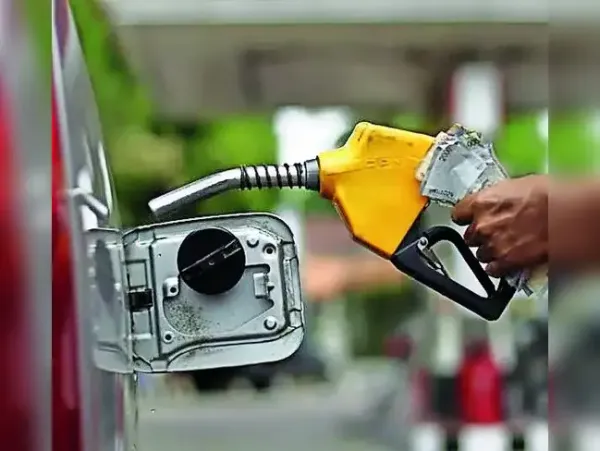
Supply-side responses include higher duties on precious metals and the prime minister urging Indians to cut down on foreign travel. He has also suggested companies consider WFH. But the main supply response will have to come in the form of enforced lower energy consumption. Higher pump price may be a pain, but it accomplishes this remarkably well.
Policy focus has shifted to managing the trade deficit, and a key lever is higher fuel prices to dampen demand. Transmission of international prices to consumers is expected to be partial in keeping with previous responses to energy shocks. The burden will most likely be shared among consumers, refiners and GoI.
The economy is better placed this time around to absorb an energy shock. Growth was strong and inflation low as hostilities erupted in the Persian Gulf. Both metrics will be affected by a fuel price hike. But there is enough headroom to tackle limited disruption in global energy supply.
RBI's monetary stance prior to the crisis in West Asia suggested an extended period of stable interest rates. GoI, on its part, raised income-tax exemptions and rationalised GST rates in the previous fiscal year to prop up domestic consumption. With growth and inflation moving into new trajectories post-conflict and the higher outgo on subsidies, the pace of fiscal correction may need to be recalibrated.
Supply-side responses include higher duties on precious metals and the prime minister urging Indians to cut down on foreign travel. He has also suggested companies consider WFH. But the main supply response will have to come in the form of enforced lower energy consumption. Higher pump price may be a pain, but it accomplishes this remarkably well.