How to grow curry leaves at home without killing the plant: Simple care tips every beginner should know
ETimes | May 14, 2026 5:40 PM CST
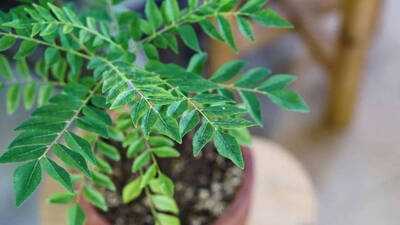
Curry leaf plants are common in many households from India, but growing them may prove challenging, especially for novices. It is usually easy to harm such plants due to minor errors that include watering the plant too much or failure to give the plant adequate light. Nonetheless, with proper care techniques, one can grow curry leaves for decades and have access to fragrant leaves. Here is a quick guide on growing curry leaves without killing them.
Begin with the correct planting environment
Though some might think that curry leaf plants are fragile, the truth is that they have few needs. People usually end up losing their plants because of their improper care of either watering the plant too much or keeping it away from the sunlight. This plant loves warmth, porous soil, and direct sun rays. While growing your plant in your house, select a container that can drain out the extra water, as curry leaves cannot withstand waterlogging. Clay containers are ideal for this purpose, as they absorb excessive water.
Loose and well-drained soil is a must rather than thick and muddy soil. Soil made by mixing garden soil, compost, and sand or cocopeat is ideal. The reason is to allow quick draining of water from the soil rather than letting the roots soak in it.
The significance of sunlight cannot be emphasized more
One of the leading causes why curry leaf plants stop growing is the shortage of sunlight. Curry plants require a lot of heat and require a minimum of six-eight hours of direct sunlight daily. A sunny balcony, terrace, or even an outdoor area will work best. Even though most folks prefer to grow curry leaves inside, the plant may struggle to thrive unless it gets sufficient light all day long.
As a result of insufficient sunlight, the leaves can turn pale green, stems may grow thinner, and growth can decelerate significantly. Conversely, when the plant gets plenty of light, its growth will be lush and healthy. In case of monsoons or winters, one should shift their curry plants to areas that receive more light.
The biggest problem is overwatering
Curry leaf plants usually die from being overwatered than from neglect. The plant requires a dry climate and watering it on a daily basis isn’t recommended. Rather than following a routine, the soil condition must first be checked. Only when the soil seems dry should the plant be watered.
During the summer, watering needs to be more frequent since the soil is likely to become dry. In winter or rainy seasons, the frequency of watering should be reduced considerably. Excessively moist soil will result in diseases such as root rot and yellowing leaves, ultimately causing the plant’s death. As many growers claim, it is best to under-water the plant.
Pruning makes the plant more bushy
When a curry leaf plant is pruned on a regular basis, it will remain healthy. Pruning of the plant’s uppermost parts allows it to form branches that make it more bushy than tall and feeble. Even cutting off a few of the plant’s upper leaves now and then will help to achieve this objective.
Flowers are often trimmed off by many people who grow curry leaf plants. This process is done since flowering uses some energy that should have been utilized for leaf production.
Proper feeding ensures that the leaves remain in good condition
The curry leaf plants should be fed periodically with appropriate nutrients, particularly when the plant is still in the growing stage. Compost, vermicompost, and liquid fertilizers can be used. Considering that the plant’s primary purpose is to have healthy leaves, nitrogen-based nutrients would work best. Diluted buttermilk or seaweed can also be used by some gardeners occasionally as fertilizer for additional strength in the plant. Overfeeding may result in damage to the delicate plant roots; hence, light feeding would be more effective.
Protection from pests and stress on the plant
Like any other plant that grows at home, the curry leaf plant can be vulnerable to pests like mealy bugs and aphids. One way to counter these pests is to apply neem oil which will prevent any problems on the plant leaves. Air circulation around the plant will prevent fungi problems. Another crucial element is continuity. Plants like curry leaves dislike changes to their surroundings such as frequent moves, being watered too much and even staying inside when they had been growing outside. Stability in their environment makes them grow healthy.
Patience is necessary
The curry leaf plant is not an extremely quick-growing one, especially when it starts growing. The plant might actually seem like it’s dormant in colder seasons, which is absolutely okay. Most people think that the plant is dead and start overwatering or repotting the plant needlessly.
Given sufficient light exposure, appropriate watering, pruning from time to time, and patience, the curry leaf plant can last for several years while providing you with fresh, fragrant leaves.
Disclaimer: Gardening results may vary depending on climate, sunlight, soil quality, watering habits, and plant health. Curry leaf plants may grow differently across seasons, especially during winter or heavy monsoon periods.
Begin with the correct planting environment
Though some might think that curry leaf plants are fragile, the truth is that they have few needs. People usually end up losing their plants because of their improper care of either watering the plant too much or keeping it away from the sunlight. This plant loves warmth, porous soil, and direct sun rays. While growing your plant in your house, select a container that can drain out the extra water, as curry leaves cannot withstand waterlogging. Clay containers are ideal for this purpose, as they absorb excessive water.
Loose and well-drained soil is a must rather than thick and muddy soil. Soil made by mixing garden soil, compost, and sand or cocopeat is ideal. The reason is to allow quick draining of water from the soil rather than letting the roots soak in it.
The significance of sunlight cannot be emphasized more
One of the leading causes why curry leaf plants stop growing is the shortage of sunlight. Curry plants require a lot of heat and require a minimum of six-eight hours of direct sunlight daily. A sunny balcony, terrace, or even an outdoor area will work best. Even though most folks prefer to grow curry leaves inside, the plant may struggle to thrive unless it gets sufficient light all day long.
As a result of insufficient sunlight, the leaves can turn pale green, stems may grow thinner, and growth can decelerate significantly. Conversely, when the plant gets plenty of light, its growth will be lush and healthy. In case of monsoons or winters, one should shift their curry plants to areas that receive more light.
The biggest problem is overwatering
Curry leaf plants usually die from being overwatered than from neglect. The plant requires a dry climate and watering it on a daily basis isn’t recommended. Rather than following a routine, the soil condition must first be checked. Only when the soil seems dry should the plant be watered.
During the summer, watering needs to be more frequent since the soil is likely to become dry. In winter or rainy seasons, the frequency of watering should be reduced considerably. Excessively moist soil will result in diseases such as root rot and yellowing leaves, ultimately causing the plant’s death. As many growers claim, it is best to under-water the plant.
Pruning makes the plant more bushy
When a curry leaf plant is pruned on a regular basis, it will remain healthy. Pruning of the plant’s uppermost parts allows it to form branches that make it more bushy than tall and feeble. Even cutting off a few of the plant’s upper leaves now and then will help to achieve this objective.
Flowers are often trimmed off by many people who grow curry leaf plants. This process is done since flowering uses some energy that should have been utilized for leaf production.
Proper feeding ensures that the leaves remain in good condition
The curry leaf plants should be fed periodically with appropriate nutrients, particularly when the plant is still in the growing stage. Compost, vermicompost, and liquid fertilizers can be used. Considering that the plant’s primary purpose is to have healthy leaves, nitrogen-based nutrients would work best. Diluted buttermilk or seaweed can also be used by some gardeners occasionally as fertilizer for additional strength in the plant. Overfeeding may result in damage to the delicate plant roots; hence, light feeding would be more effective.
Protection from pests and stress on the plant
Like any other plant that grows at home, the curry leaf plant can be vulnerable to pests like mealy bugs and aphids. One way to counter these pests is to apply neem oil which will prevent any problems on the plant leaves. Air circulation around the plant will prevent fungi problems. Another crucial element is continuity. Plants like curry leaves dislike changes to their surroundings such as frequent moves, being watered too much and even staying inside when they had been growing outside. Stability in their environment makes them grow healthy.
Patience is necessary
The curry leaf plant is not an extremely quick-growing one, especially when it starts growing. The plant might actually seem like it’s dormant in colder seasons, which is absolutely okay. Most people think that the plant is dead and start overwatering or repotting the plant needlessly.
Given sufficient light exposure, appropriate watering, pruning from time to time, and patience, the curry leaf plant can last for several years while providing you with fresh, fragrant leaves.
Disclaimer: Gardening results may vary depending on climate, sunlight, soil quality, watering habits, and plant health. Curry leaf plants may grow differently across seasons, especially during winter or heavy monsoon periods.
READ NEXT
-
Meta Launches Incognito Chat, Side Chat Coming Soon: How to Use AI’s New Privacy Tools

-
Massive Firecracker Factory Explosion Leaves 3 Dead, Dozens Injured In MP's Dewas

-
Rupee at 95.85: Experts Warn of ‘Silent Tax’ on Savings | Republic World

-
From Groundwork To Power: Celebrations Sweep Keralam As Congress Picks V D Satheesan As CM Face

-
EC announces Mega Voter List Revision in Delhi, Maharashtra, Karnataka And 13 Other States; 36 Crore+ Electors Under SIR Phase 3