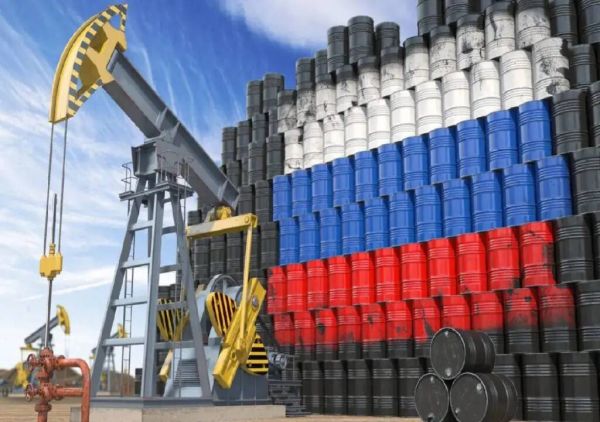
New Delhi: India’s purchases of Russian crude oil declined by 15 per cent in April amid changing global energy market conditions, refinery maintenance shutdowns and uncertainty over the future of United States sanctions waivers.
According to data released by the Centre for Research on Energy and Clean Air, India imported Russian oil worth €4.5 billion (around $5.27 billion) in April, down from €5.3 billion (approximately $6.26 billion) recorded in March.
Despite the decline, India continued to remain the world’s second-largest buyer of Russian fossil fuels during the month.
Refinery shutdown impacts Russian crude imports
Analysts said the drop in imports was primarily linked to reduced intake at Nayara Energy’s Vadinar refinery in Gujarat, which reportedly underwent maintenance- shutdowns beginning April 9.
The refinery is known to rely heavily on Russian crude feedstock, making the maintenance stoppage a major factor behind the fall in imports.
CREA noted that unloading patterns at several Indian refineries changed significantly during the month.
Imports of Russian crude reportedly declined by nearly 92 per cent at the Vadinar refinery and by around 38 per cent at the Jamnagar refinery.
At the same time, imports at the state-run Indian Oil Vadinar facility reportedly increased by about 87 per cent.
Concerns over US sanctions waiver
Energy analysts also pointed to uncertainty surrounding the US sanctions waiver to Russian oil purchases.
The waiver currently allows countries such as India to continue buying oil from sanctioned Russian entities, including Rosneft and Lukoil.
Reports suggest refiners may further reduce Russian oil imports if the waiver is not extended beyond the May 16 deadline.
While India has continued importing Russian oil throughout the geopolitical crisis, the waiver has helped refiners maintain transactions without directly violating US restrictions.
Industry observers say any tightening of sanctions could force Indian refiners to diversify sourcing strategies.
Russia assures India on energy supplies
Meanwhile, Sergey Lavrov assured that India’s energy security and Russian oil supplies would remain unaffected despite rising geopolitical tensions and competition over global energy routes.
Lavrov criticised attempts by Western powers to control strategic energy supply chains and suggested that India understood the broader geopolitical situation.
His comments come at a time when global energy markets continue to face volatility due to conflicts, sanctions and changing trade alignments.
Crude oil remains dominant in imports
According to CREA’s data, crude oil accounted for nearly 90 per cent of India’s total Russian fossil fuel imports in April.
India imported Russian crude worth €4.5 billion during the month, while coal imports stood at €297 million and oil product imports totalled €209 million.
Russian crude has remained attractive to Indian refiners largely because of discounted pricing compared to other international suppliers.
Over the past two years, India significantly increased Russian oil purchases after Western sanctions reshaped global energy trade flows following the Ukraine conflict.
Market dynamics continue to evolve
Experts believe India’s future import strategy will depend on a combination of geopolitical developments, pricing advantages and global supply stability.
Indian refiners are expected to continue balancing commercial interests with international diplomatic and regulatory considerations.
The coming weeks will be crucial as markets watch whether the United States extends its sanctions waiver and how global oil prices respond.
For now, India remains one of Russia’s most important energy buyers despite the latest decline in monthly imports.
-
Karnataka govt forms cabinet sub-committee to study State Education Policy
-
Boy killed, several seriously injured after lorry overturns near Konandur in Thirthahalli

-
Minister Atul Bora Reviews Border Development Initiatives Amid Tensions

-
FC Goa and Kerala Blasters Set for Thrilling Season Finale in Kochi

-
Thirthahalli student Anagha secures state first rank after SSLC revaluation