What Udhayanidhi Really Meant About Sanatana Dharma
My Life XP | May 15, 2026 3:39 PM CST
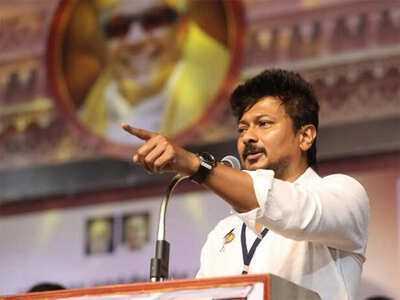
One statement. One word. And suddenly, the entire country was debating faith, equality, and freedom. When Udhayanidhi Stalin spoke about Sanatana Dharma, outrage exploded across social media and political circles. Many believed he was attacking religion itself. Others claimed his words were aimed at caste inequality and social discrimination. But here’s the bigger question nobody stopped to ask: Was this debate really about religion or about the meaning of equality in modern India? Because sometimes, one controversial statement reveals a much deeper divide hiding inside society.
The Statement That Changed The Conversation

When Udhayanidhi Stalin spoke against Sanatana Dharma, reactions came instantly. Social media exploded. Political leaders criticized him. Supporters defended him. But the controversy grew because people interpreted his words differently. Some saw it as an attack on Hinduism itself. Others believed he was speaking against caste-based discrimination connected to traditional social structures. This is why the debate became emotional so quickly. Religion is deeply personal in India. The moment faith and politics collide, the conversation becomes larger than one speech. Suddenly, the country was no longer discussing one statement it was discussing identity, belief, and equality together.
Why His Clarification Changed The Debate

After criticism increased, Udhayanidhi clarified that he was not against people believing in God or visiting temples. According to him, the real issue was inequality and oppression in society. He said everyone deserves equal rights both inside temples and outside in everyday life. This clarification shifted the entire discussion. The debate was no longer only about religion. It became about social justice. Supporters argued that questioning inequality should not be treated as hatred toward faith. Critics, however, believed his earlier words still hurt religious sentiments. That tension is exactly why this issue continues to divide opinions across the country.
Why The Word “Sanatana” Became So SensitiveSanatana Dharma is not just a religious phrase for many people. It represents tradition, spirituality, culture, and identity built over thousands of years. That is why any criticism connected to it creates strong emotional reactions. At the same time, others argue that social inequality linked to caste discrimination must also be openly discussed. This creates a powerful conflict between protecting faith and demanding reform. The real reason this issue became massive is because both sides believe they are defending something important one side faith, the other equality. And when emotions connect with identity, debates quickly become national controversies.
The Bigger Question India Is FacingThis controversy exposed something deeper about modern India. The country is still trying to balance ancient traditions with demands for social equality. Millions proudly follow spiritual traditions while also wanting a society free from discrimination. The challenge begins when criticism of social systems is seen as criticism of religion itself. This creates confusion, anger, and division. Political debates then become emotional battles between belief and reform. The real challenge is finding a way to discuss inequality honestly without hurting people’s faith. That balance is becoming one of the biggest conversations shaping India’s future today.
Why This Debate Is Far From OverThe reason this controversy refuses to disappear is simple it touches emotions, identity, politics, and history all at once. Every side feels personally connected to the issue. Some fear attacks on tradition. Others fear silence around social inequality. This is why even one statement can dominate national discussions for weeks. But perhaps the biggest lesson from this debate is that India’s future conversations must become more thoughtful and balanced. Emotional reactions may create headlines, but real progress only happens when difficult discussions are handled with understanding, respect, and honesty from every side.
Unlock insightful tips and inspiration on personal growth, productivity, and well-being. Stay motivated and updated with the latest at My Life XP.
Frequently Asked Questions (FAQs) 1. What did Udhayanidhi Stalin say about Sanatana Dharma?
Udhayanidhi Stalin said his criticism was not against people’s religious beliefs or temple worship, but against social inequality and caste oppression that he believes are connected to certain traditional systems.
2. Why did his statement create controversy?
The statement became controversial because many people felt the term “Sanatana Dharma” represents Hindu faith and culture. Critics believed his remarks hurt religious sentiments, while supporters argued he was speaking about social reform and equality.
3. Did Udhayanidhi Stalin say he was against Hinduism?
No. In his clarification, Udhayanidhi said he was not against belief in God or visiting temples. He stated that his opposition was toward inequality and oppression, not individual faith or spirituality.
4. Why is Sanatana Dharma such an emotional topic in India?
For millions of people, Sanatana Dharma is deeply connected to spirituality, culture, tradition, and identity. Any criticism involving it often becomes emotionally sensitive because it feels personal to many believers.
5. What was the main message behind his clarification?
His main message was that everyone should have equal rights in society, regardless of caste or social background. He argued that social equality should exist both inside temples and in everyday life.
The Statement That Changed The Conversation
The focus shifted from faith to social inequality.
When Udhayanidhi Stalin spoke against Sanatana Dharma, reactions came instantly. Social media exploded. Political leaders criticized him. Supporters defended him. But the controversy grew because people interpreted his words differently. Some saw it as an attack on Hinduism itself. Others believed he was speaking against caste-based discrimination connected to traditional social structures. This is why the debate became emotional so quickly. Religion is deeply personal in India. The moment faith and politics collide, the conversation becomes larger than one speech. Suddenly, the country was no longer discussing one statement it was discussing identity, belief, and equality together.
Why His Clarification Changed The Debate
The focus shifted from faith to social inequality.
After criticism increased, Udhayanidhi clarified that he was not against people believing in God or visiting temples. According to him, the real issue was inequality and oppression in society. He said everyone deserves equal rights both inside temples and outside in everyday life. This clarification shifted the entire discussion. The debate was no longer only about religion. It became about social justice. Supporters argued that questioning inequality should not be treated as hatred toward faith. Critics, however, believed his earlier words still hurt religious sentiments. That tension is exactly why this issue continues to divide opinions across the country.
Why The Word “Sanatana” Became So SensitiveSanatana Dharma is not just a religious phrase for many people. It represents tradition, spirituality, culture, and identity built over thousands of years. That is why any criticism connected to it creates strong emotional reactions. At the same time, others argue that social inequality linked to caste discrimination must also be openly discussed. This creates a powerful conflict between protecting faith and demanding reform. The real reason this issue became massive is because both sides believe they are defending something important one side faith, the other equality. And when emotions connect with identity, debates quickly become national controversies.
The Bigger Question India Is FacingThis controversy exposed something deeper about modern India. The country is still trying to balance ancient traditions with demands for social equality. Millions proudly follow spiritual traditions while also wanting a society free from discrimination. The challenge begins when criticism of social systems is seen as criticism of religion itself. This creates confusion, anger, and division. Political debates then become emotional battles between belief and reform. The real challenge is finding a way to discuss inequality honestly without hurting people’s faith. That balance is becoming one of the biggest conversations shaping India’s future today.
Why This Debate Is Far From OverThe reason this controversy refuses to disappear is simple it touches emotions, identity, politics, and history all at once. Every side feels personally connected to the issue. Some fear attacks on tradition. Others fear silence around social inequality. This is why even one statement can dominate national discussions for weeks. But perhaps the biggest lesson from this debate is that India’s future conversations must become more thoughtful and balanced. Emotional reactions may create headlines, but real progress only happens when difficult discussions are handled with understanding, respect, and honesty from every side.
Unlock insightful tips and inspiration on personal growth, productivity, and well-being. Stay motivated and updated with the latest at My Life XP.
Frequently Asked Questions (FAQs) 1. What did Udhayanidhi Stalin say about Sanatana Dharma?
Udhayanidhi Stalin said his criticism was not against people’s religious beliefs or temple worship, but against social inequality and caste oppression that he believes are connected to certain traditional systems.
2. Why did his statement create controversy?
The statement became controversial because many people felt the term “Sanatana Dharma” represents Hindu faith and culture. Critics believed his remarks hurt religious sentiments, while supporters argued he was speaking about social reform and equality.
3. Did Udhayanidhi Stalin say he was against Hinduism?
No. In his clarification, Udhayanidhi said he was not against belief in God or visiting temples. He stated that his opposition was toward inequality and oppression, not individual faith or spirituality.
4. Why is Sanatana Dharma such an emotional topic in India?
For millions of people, Sanatana Dharma is deeply connected to spirituality, culture, tradition, and identity. Any criticism involving it often becomes emotionally sensitive because it feels personal to many believers.
5. What was the main message behind his clarification?
His main message was that everyone should have equal rights in society, regardless of caste or social background. He argued that social equality should exist both inside temples and in everyday life.
READ NEXT
-
ICC Imposes Disciplinary Sanctions On Pakistan: 8 WTC Points Lost, Players Fined 40% Match Fee
-
Fuel Cost Relief For Airlines: Maharashtra Cuts VAT On Jet Fuel With Immediate Effect

-
Rupee Falls Past 96 Against Dollar As Crude Oil Prices Surge To $109
-
Oil Crisis Pressure Mounts: Govt Says Fuel Price Increase Was Necessary But Limited
-
RG Kar Case: Bengal Govt Suspends 3 IPS Officers Over Alleged Mishandling