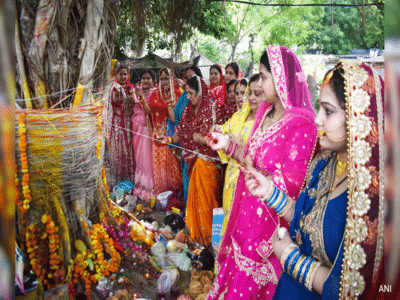
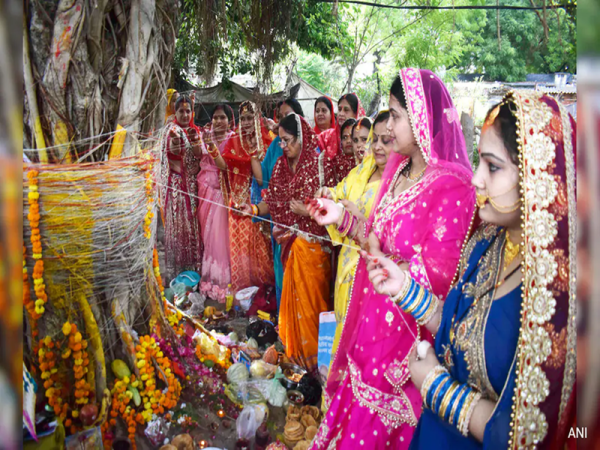
Vat Savitri Fasting Rules: Dedicated to Lord Vishnu, the Vat Savitri Vrat (fast) observed during the month of Jyeshtha holds special significance for women. This fast is celebrated specifically to strengthen the bond between husband and wife. Married women observe this fast on the day of Jyeshtha Amavasya (the New Moon day of the month of Jyeshtha). According to religious beliefs, on this day, women perform worship under a *Vat-vriksha*—that is, a Banyan tree—and pray for the longevity of their husbands. It is believed that on this very day, Savitri successfully reclaimed her husband Satyavan's life from Yamraj (the God of Death); consequently, this fast has been celebrated every year since then with deep reverence and faith. Regarding dietary intake during this fast, various doubts and dilemmas often arise, leaving one wondering if consuming a particular item might inadvertently break or invalidate the fast.

**The Significance of Vat Savitri Vrat**
The Vat Savitri Vrat is considered a major religious observance for married women within the Hindu faith. This fast is undertaken to pray for the husband's longevity, happiness, prosperity, and enduring marital bliss. Depending on the region, this fast is observed either on the Amavasya (New Moon) or the Purnima (Full Moon) Tithi (lunar day) of the month of Jyeshtha. This fast is intrinsically linked to the mythological tale of Savitri and Satyavan. It is believed that through the power of her penance, intellect, and unwavering devotion to her husband (*Pativrata Dharma*), Savitri successfully retrieved her husband Satyavan's life force from Yamraj. Since then, this fast has been regarded as a symbol of an unbreakable marital bond and profound devotion.
**What Should Be Avoided During Vat Savitri Vrat?**
Non-vegetarian food and eggs
Garlic and onions
Alcohol or any form of intoxicant
*Tamasic* (heavy/stimulating) and excessively spicy foods
Stale food
In some regions, the consumption of salt is also considered prohibited.
**What Can Be Consumed During Vat Savitri Vrat?**
Fruits and dry fruits
Milk, yogurt, and *Makhana* (fox nuts)
Dishes prepared using *Sabudana* (sago), *Kuttu* (buckwheat), or *Singhara* (water chestnut) flour
*Sattvic* (pure and wholesome) food consumed after the completion of the worship rituals
**Dietary Guidelines for Vat Savitri Vrat**
During the fast, women should consume fruits, dry fruits, *Khichdi*, yogurt, and honey. On this day, one should refrain from consuming any kind of grain. Items such as eggs, meat, fish, onions, and garlic are strictly prohibited; therefore, one must avoid them. The objective of the fast is to purify both the body and the mind, thereby infusing positive energy into any auspicious undertaking performed during this period. During the fast, one may consume pure, homemade sweets, *halwa*, or *pua*.
**Why is the Banyan Tree Worshipped?**
During the *Vat Savitri Vrat*, the *Vat*—or Banyan tree—is worshipped. According to Hindu belief, the Banyan tree is considered to be the abode of the Trinity of deities: Brahma, Vishnu, and Mahesh (Shiva). The Banyan tree also symbolizes longevity and stability; therefore, women circumambulate the tree, tie a sacred thread around it, and pray for the peace and prosperity of their families.
**Things to Keep in Mind Before the Fast**
From a health perspective, it is advisable to consume simple, light food the day before undertaking any fast. This is because *Tamasic* (heavy) food is considered difficult to digest and can potentially be detrimental to the body. Furthermore, *Tamasic* food fails to provide the body with the necessary energy during the fasting period, making it somewhat challenging to strictly adhere to the rules of the fast.
**Vat Savitri Vrat Worship Rituals**
The worship rituals associated with this fast are particularly unique and significant. Women observing the fast should wake up early in the morning and take a ritual bath. The Banyan tree holds special significance in this observance. Before commencing the worship, one should clean the area beneath the Banyan tree (*Vat Vriksha*) and prepare the designated worship site. Offer prayers to Goddess Savitri and Satyavan, and offer water to the Banyan tree. Tie a red sacred thread around the Banyan tree and perform seven circumambulations (*Parikrama*). Recite the *Vrat Katha* (the legend associated with the fast) and conclude the ceremony by performing the *Aarti*. Offer donations to the poor and to Brahmins, and seek their blessings. The fast should be broken (*Paran*) on the following day, after sunrise.
PC Social Media
-
Middlesbrough Want Southampton Expelled From Championship Playoff Final For Spying

-
He's Now All Yours: Keneeshaa Francis Hints At Breakup With Ravi Mohan, Says 'I Give Up On My Music, Logging Off Instagram'

-
Athiradi Box Office Collection Day 2: Basil Joseph-Tovino Thomas Starrer Crosses ₹10 Crore Mark After Strong Opening

-
Pati Patni Aur Woh Do Box Office Collection Day 1: Comedy Film Is Among Ayushmann Khurrana's Lowest Openers

-
Advancing Generative AI In Supply Chains: How Modern EDI Integration Turns Data Silos Into Real-Time Intelligence