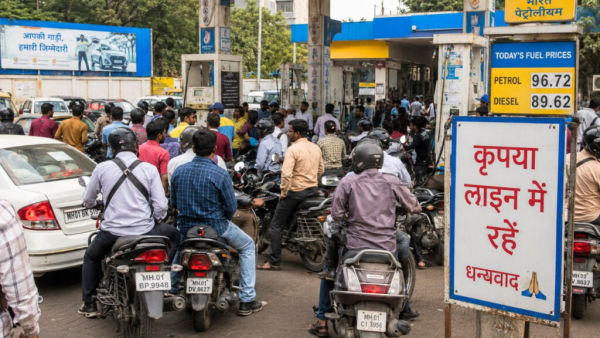
New Delhi: The Finance Ministry has increased the Special Additional Excise Duty (SAED) on the export of petroleum products. According to the Gazette notification issued on May 15, now duty will be Rs 3 per liter on petrol, Rs 16.5 per liter on diesel and Rs 16 per liter on aviation turbine fuel. These new rates have come into effect from 16 May 2026. The government has clarified that the Road and Infrastructure Cess on these products has been reduced to zero.
Domestic prices will not be affected
According to media reports, despite this order, it is a matter of relief that the excise duty on petrol and diesel used in the country has not been changed. This means that fuel prices at Indian pumps will not increase at the moment. The government has adopted different tax policies for export and domestic market. This will generate more revenue from exports and will not put a burden on the common man’s pocket.
Review takes place every fortnight
Changes in SAED are nothing new. This levy was imposed for the first time on March 27, 2026, when there was a crisis in oil supply due to tensions in West Asia. Since then the government reviews it every 15 days. On May 1, duty on diesel and ATF was reduced. The aim is that when prices are good in the international market, companies should not send all the oil out. Domestic needs should be fulfilled first and there should be a ban on making huge profits from exports.
Impact on companies like Reliance
Experts believe that this increase will impact the margins of export-focused refineries like Reliance Industries. Earlier the duty on petrol export was zero, now it has been imposed at Rs 3. However, government companies like Indian Oil, BPCL and HPCL will not be affected much because they give priority to the domestic market. The overall policy is that fuel security for the Indian consumer should come first.
Why is this step necessary?
It is noteworthy that India imports more than 85 percent of its crude oil requirement. In such a situation, fluctuations in the global market directly affect us. With tools like SAED, the government is able to take immediate decisions. If crude oil becomes expensive then inflation increases. Due to increase in transport cost, agriculture, factory, shop and service sector are all affected. The cost of living for the common man also increases gradually. Therefore, the government wants to increase earnings from exports by keeping domestic prices stable.
-
‘Did Not Criticise Youth’: CJI Surya Kant Defends ‘Cockroach’ Remark
-
RBI Professional Kho-Kho Tournament 2026: Thrilling Quarter-Final Battles Light Up Parel’s Lal Maidan

-
Nagaland State Lottery Result: May 16, 2026, 1 PM Live - Watch Streaming Of Winners List Of Dear Lucky Sambad Night Saturday Weekly Draw
-
Pati Patni Aur Woh Do, Aakhri Sawal, Karuppu Box Office Collection Day 2 Prediction: Will Three New Releases Show Jump On Saturday?

-
Stalin seeks unfiltered feedback on DMK loss, says 'do not hide anything from me'