
Listen to this article in summarized format
Loading...
××
Subscribe to

Unlock AI Briefing and Premium Content
New Year Offer 24 Hours Left
Subscribe NowAlready a member? Sign In
What's Included
- Exclusive Stories
- Daily ePaper Access
- Smart Market Tools
- Curated Investment Ideas
- Ad-lite Experience
Subscription

Ebola India: The World Health Organisation (WHO) has declared the Ebola virus outbreak in Congo and Uganda as a public health emergency of international concern after more than 300 suspected cases and 88 deaths. The Centers for Disease Control and Prevention said Sunday that risk of the Ebola virus to the US population remains low, reports Politico.
“Travelers to the region should avoid contact with sick people, report symptoms immediately and follow our travel health guidance,” Satish Pillai, the CDC’s Ebola response incident manager, told reporters.
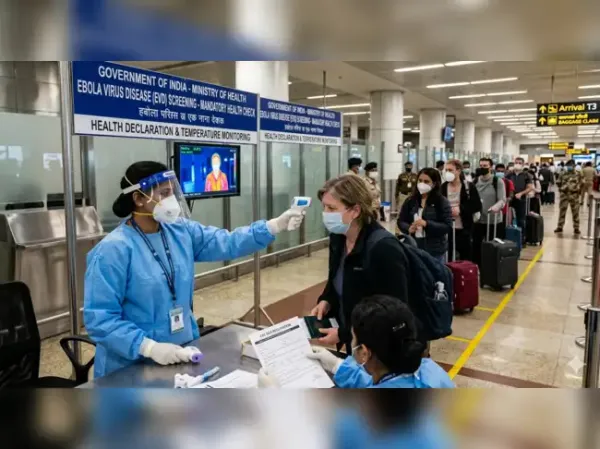
As health experts have sounded an alert for the Ebola outbreak, Indian Health Ministry has said no Ebola cases have ever been reported in India since 2014, except one international traveller who tested positive in the same year. The Indian health experts said there is no need to panic as Ebola does not spread like Covid-19, though vigilance and early detection remain crucial.
ALSO READ: Ebola outbreak declared emergency of international concern
-The virus can get into the human population when people have close contact with the blood, secretions, organs or other bodily fluids of infected animals such as fruit bats, chimpanzees, gorillas, monkeys, forest antelope or porcupines found ill or dead or in the rainforest.
-People can get infected with the virus from another person by direct contact
-You can get infected with Ebola virus if you are in direct contact with:
the blood or body fluids of a person who is sick with or has died from Ebola disease; and
objects or surfaces that have been contaminated with body fluids (like blood, feces, vomit) from a person sick with the disease or who has died from the disease.
-Burial ceremonies that involve direct contact with the body of a person who has died can also contribute to the transmission of Ebola disease.
People cannot transmit the disease before they have symptoms, and they remain infectious as long as their blood contains the virus, the WHO said.
fever
fatigue
malaise
muscle pain
headache and sore throat.
These are followed by vomiting, diarrhoea, abdominal pain rash, and symptoms of impaired kidney and liver functions. Some patients may develop internal and external bleeding, including blood in vomit and faeces, bleeding from the nose, gums and vagina.
Ebola disease survivors may suffer from long-term complications, such as:
Tiredness
Headaches
Muscle and joint pain
Eye and vision problems (blurry vision, pain, redness, light sensitivity)
Weight gain
Stomach pain or loss of appetite
Avoiding contact with body fluids and tissues of people and animals (dead or alive) who may have Ebola
Avoiding sexual intercourse entirely or using condoms until tests confirm you no longer have Ebola in your semen
Isolating from others if you have Ebola
Not eating wild animal meat
Not touching the body fluids of anyone with Ebola and washing your hands after contact, even if you wear gloves
Not traveling to areas where there’s an Ebola outbreak
Using PPE when caring for someone with Ebola
“Travelers to the region should avoid contact with sick people, report symptoms immediately and follow our travel health guidance,” Satish Pillai, the CDC’s Ebola response incident manager, told reporters.
As health experts have sounded an alert for the Ebola outbreak, Indian Health Ministry has said no Ebola cases have ever been reported in India since 2014, except one international traveller who tested positive in the same year. The Indian health experts said there is no need to panic as Ebola does not spread like Covid-19, though vigilance and early detection remain crucial.
ALSO READ: Ebola outbreak declared emergency of international concern
How does Ebola spread?
Former AIIMS director Dr Randeep Guleria told Times of India that Ebola spreads through direct contact with infected body fluids, blood, vomit, secretions or contaminated material. It is different from Covid-19 which spreads through routine droplet transmission. According to the WHO, Ebola can spread in the following ways:-The virus can get into the human population when people have close contact with the blood, secretions, organs or other bodily fluids of infected animals such as fruit bats, chimpanzees, gorillas, monkeys, forest antelope or porcupines found ill or dead or in the rainforest.
-People can get infected with the virus from another person by direct contact
-You can get infected with Ebola virus if you are in direct contact with:
the blood or body fluids of a person who is sick with or has died from Ebola disease; and
objects or surfaces that have been contaminated with body fluids (like blood, feces, vomit) from a person sick with the disease or who has died from the disease.
-Burial ceremonies that involve direct contact with the body of a person who has died can also contribute to the transmission of Ebola disease.
People cannot transmit the disease before they have symptoms, and they remain infectious as long as their blood contains the virus, the WHO said.
Ebola outbreak: Signs and symptoms
In the Ebola outbreak, the incubation period — the time between getting infected and the appearance of symptoms — can range from 2 to 21 days. The symptoms can be sudden and include:fever
fatigue
malaise
muscle pain
headache and sore throat.
These are followed by vomiting, diarrhoea, abdominal pain rash, and symptoms of impaired kidney and liver functions. Some patients may develop internal and external bleeding, including blood in vomit and faeces, bleeding from the nose, gums and vagina.
Ebola disease survivors may suffer from long-term complications, such as:
Tiredness
Headaches
Muscle and joint pain
Eye and vision problems (blurry vision, pain, redness, light sensitivity)
Weight gain
Stomach pain or loss of appetite
Ebola prevention tips
You can help protect yourself from getting Ebola by:Avoiding contact with body fluids and tissues of people and animals (dead or alive) who may have Ebola
Avoiding sexual intercourse entirely or using condoms until tests confirm you no longer have Ebola in your semen
Isolating from others if you have Ebola
Not eating wild animal meat
Not touching the body fluids of anyone with Ebola and washing your hands after contact, even if you wear gloves
Not traveling to areas where there’s an Ebola outbreak
Using PPE when caring for someone with Ebola