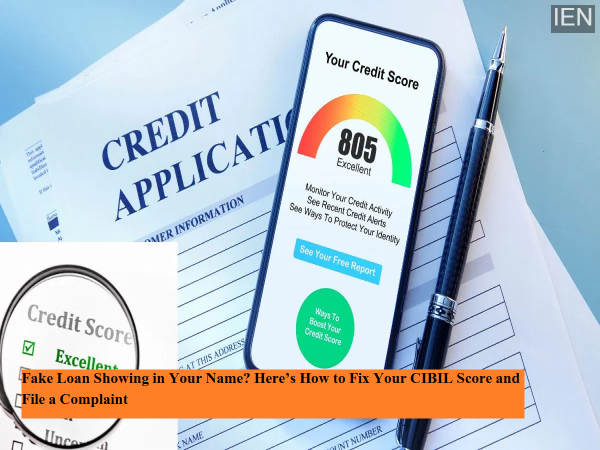
A credit score has become one of the most important financial indicators in today’s banking system. Whether someone applies for a home loan, personal loan, car loan, or credit card, lenders first review the applicant’s credit history and CIBIL score before approving any request. However, many people are now facing a serious problem — fake loans or incorrect entries appearing in their credit reports without their knowledge.
Such mistakes can severely damage a person’s financial profile. A wrong loan entry, incorrect payment record, or identity-related error may reduce the credit score and lead to loan rejection, higher interest rates, or delayed approvals. Financial experts say that ignoring such discrepancies can create long-term financial trouble. The good news is that these errors can be corrected if proper steps are taken at the right time.
Why Credit Report Errors Have Become a Major Concern
Credit reports are generated using data submitted by banks, NBFCs, and other financial institutions. Sometimes, technical issues, identity theft, data mismatches, or incorrect reporting can result in wrong information being added to a customer’s profile.
In some cases, people discover loans in their name that they never applied for. Others may notice incorrect EMI defaults, outdated account details, or duplicate loan entries. Such issues can lower the credit score even if the person has always maintained timely payments.
A low credit score can directly impact a person’s ability to access financial products. Banks may reject loan applications or offer loans at significantly higher interest rates due to poor credit history.
How to Identify Errors in Your CIBIL Report
Experts advise consumers to regularly check their credit reports to ensure that all details are accurate. The first step is to download the CIBIL report and carefully review every entry mentioned in it.
People should verify the following information:
- Loan accounts listed in the report
- Credit card details
- EMI payment records
- Outstanding dues
- Mobile number, email ID, and address
- Closed loan accounts
If any unfamiliar loan appears in the report or any payment history is shown incorrectly, it should be treated seriously. Sometimes, even outdated personal information can create confusion in financial records.
Consumers are also advised to keep important documents ready, including:
- Bank statements
- Loan closure certificates
- Payment receipts
- PAN card
- Aadhaar card
- Identity proof documents
These documents become important while filing disputes with credit agencies or banks.
How to File a Complaint Through the myCIBIL Portal
If a person notices incorrect information in the credit report, a complaint can be filed online through the official myCIBIL portal.
The process usually involves the following steps:
- Log in to the myCIBIL account
- Visit the “Dispute Center” section
- Select the incorrect loan or wrong entry
- Upload supporting documents
- Submit the dispute request online
Once the complaint is filed, CIBIL contacts the concerned bank or NBFC to verify the details. In most cases, the issue is resolved within 30 days. However, if the matter is complicated or requires deeper investigation, financial institutions may take up to 45 days to complete the verification process.
Experts suggest tracking the dispute regularly until the correction is reflected in the updated credit report.
What to Do If the Issue Is Not Resolved
If the complaint remains unresolved within the prescribed timeline, consumers can escalate the matter further.
The next step is to contact the nodal officer of the concerned bank or financial institution. Every bank has grievance redressal officers responsible for handling such complaints.
If no satisfactory action is taken even after escalation, consumers can file complaints under the Reserve Bank of India Integrated Ombudsman Scheme. Complaints can be submitted online, through email, or via written applications.
In serious situations, people also have the right to approach consumer courts or civil courts. Legal experts say consumers are protected under law and can demand correction of wrong records as well as compensation for financial losses caused by incorrect reporting.
Fake Loans Could Be a Sign of Identity Theft
If a loan appears in a person’s credit report that was never taken by them, experts warn that it could be a case of identity theft or financial fraud.
In such situations, immediate action becomes extremely important. Victims should:
- File a complaint with Cyber Crime Police
- Inform the concerned bank immediately
- Notify PAN and financial authorities
- Freeze suspicious financial activity if required
Quick action can help prevent further misuse of personal information and reduce the risk of additional fraud.
Why Regular Credit Monitoring Is Important
Financial advisors recommend checking credit reports regularly instead of waiting for a loan application to get rejected. Monitoring credit reports helps identify suspicious activity early and allows people to correct errors before they impact major financial decisions.
As digital banking and online lending continue to grow rapidly, identity theft and fraudulent loan cases are also increasing. Staying alert and reviewing financial records from time to time can help consumers protect both their credit score and financial reputation.
A healthy credit score not only improves loan approval chances but also helps individuals secure lower interest rates and better financial opportunities in the future.
-
Bank Loan vs NBFC Loan: Which Option Is Better for You? Know the Key Differences Before Borrowing

-
Hidden Cash, Gold or Investments Could Trigger Massive Tax Penalties; Know the Income Tax Rules

-
Silver Import Rules Tightened: Could Silver Prices Rise Sharply in India Now?

-
Gold Becomes Costlier After Import Duty Hike: Know How Much Gold You Can Legally Keep at Home

-
Gold Prices Slip on Monday: 22-Carat Gold Falls to ₹1,43,990 in Delhi; Check Latest City-Wise Rates