
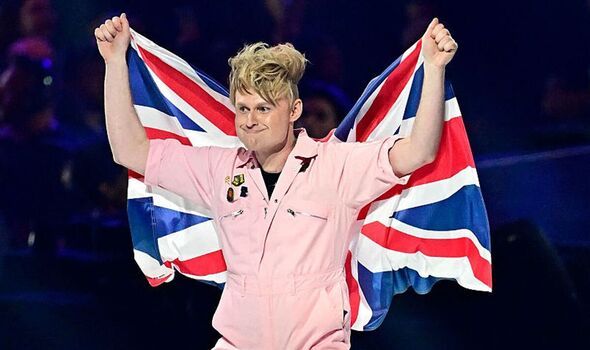
The UK continued its run of disastrous results in the Eurovision song contest when Look Mum No Computer performed by Sam Battle ended up in last place. It's the third time we've been at the bottom of the table since 2020. After scoring just one point on Saturday, it was one less humiliating than the dreaded "nil points" which has plagued the UK entries. The UK now hasn't won the annual pop party for almost three decades. While the geopolitical conspiracy theories rear its head every year, the answer could be a lot simpler, and the acts are not to blame.
In an exclusive chat with Express.co.uk, Olivia Bennett, Senior Digital PR Director at Go Up, has dished on the real reason why the UK struggles at Eurovision, as she suggested "a great voice alone has never guaranteed success". The expert revealed its less to do with the talent, but the use of social media and likeability are the components to building a strong fan base.
Olivia says: "Eurovision has always been about more than just vocal performance, but social media has accelerated that shift massively.
A contestant can now build momentum weeks before they even step on stage through TikTok clips, memes and online fan communities. Virality creates familiarity, and familiarity often translates into votes."
She continued: "That doesn't mean talent no longer matters, but it does mean the definition of what makes a 'successful' Eurovision act has changed.
A technically perfect performance can still struggle if it doesn't create a moment people want to share online. Eurovision is increasingly about memorability and cultural conversation as much as musical ability."
Addressing why the UK continues to struggle, Olivia explained: : "The 'nil points' narrative has become part of the UK's Eurovision identity, and that actually creates a psychological hurdle before the competition even begins.
There's often a sense that the UK approaches Eurovision with a level of irony or detachment, while other countries treat it as a huge cultural moment and invest heavily in building acts specifically for that audience."
She continued: "It's also important to recognise that Eurovision voting has never been based purely on vocals. Performance, staging, politics, diaspora voting, personality and audience connection all play a role. A great voice alone has never guaranteed success."
Olivia added, "Likeability absolutely matters, but not necessarily in the traditional sense. Audiences vote for entries that make them feel something, whether that's excitement, humour, emotion or national pride. Sometimes that comes from incredible vocals, other times it comes from personality, staging, or simply creating the biggest cultural moment."
She concluded: "Eurovision is ultimately a television event as much as a music competition. The acts that do best are usually the ones that understand how to create a full experience around the song, not just deliver the strongest vocals."
It remains to be seen what will happen with the competition next year but fingers crossed we can pull off a better score next year.
-
BDA Frees Encroached Area In Massive Eviction Drive At Bhubaneswar's Kalarahanga Amid Protest

-
I visited UK's best family theme park - more fun than Alton Towers and Thorpe Park

-
Umar Khalid denied interim bail in Delhi riots conspiracy case, court says grounds unreasonable

-
Karnataka: Woman ends life due to alleged dowry harassment by husband, in-laws

-
Transport unions call off bus strike after Karnataka HC directive