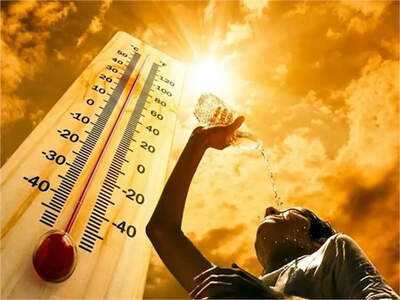
Health Risks from Heatwaves: The intensity of heatwaves is increasing in various regions across the nation. Recently, the weather has felt unbearable, with temperatures in cities like Delhi-NCR exceeding 45 degrees Celsius, posing significant health risks. Medical professionals warn that the effects of extreme heat extend beyond mere fatigue and dehydration; for those with pre-existing health conditions, this period can be particularly dangerous. Individuals with heart disease, respiratory issues, diabetes, and hypertension must take extra precautions during the hot months. A minor oversight in care could lead to severe health complications and even hospitalization.
Expert Insights on Heat-Related Health Risks
Dr. Lokendra Gupta, who leads the Emergency Department at Medanta Hospital in Lucknow, emphasizes that extreme heat poses risks for everyone, but those with heart disease, diabetes, hypertension, asthma, and kidney issues are particularly vulnerable. The heart must work harder to regulate body temperature in high heat, which can lead to an increased heart rate and dehydration. For patients with existing heart conditions, heat stress can worsen symptoms like chest pain and shortness of breath, potentially heightening the risk of heart attacks.
Precautions for Vulnerable Groups
Dr. Gupta also highlights the need for individuals with asthma and other respiratory conditions to be vigilant during the summer. Hot air can irritate the airways, and factors like dust and pollution can worsen asthma symptoms. Patients with asthma and Chronic Obstructive Pulmonary Disease (COPD) may find it harder to breathe, cough, or feel tightness in their chest. It is advisable for these individuals to avoid direct sunlight and hot winds, and to carry their medications at all times. Diabetics are also at risk of rapid dehydration, which can disrupt blood sugar levels and lead to weakness or dizziness. Excessive heat may also affect the effectiveness of insulin and other medications, making it essential for diabetics to stay hydrated and monitor their blood sugar regularly.
Managing High Blood Pressure in Heat
Experts indicate that individuals with high blood pressure face increased risks during hot weather. Heat can disrupt blood circulation, leading to fluctuations in blood pressure, which may cause dizziness and weakness. Those on blood pressure medications should be particularly cautious, as some can worsen dehydration. Excessive sweating in high temperatures can lead to fluid loss, putting additional strain on the kidneys. For patients with kidney disease, dehydration can severely worsen their condition, making it vital to maintain proper hydration and electrolyte balance.
Stay Informed and Safe
PC Social Media
-
Alcaraz Pulls Out Of Wimbledon And Queen’s Owing To Lingering Wrist Injury

-
CBSE Extends Deadline To Obtain Scanned Copies Of Class 12 Answer Books Till May 23; Re-evaluation Begins On May 26

-
There cannot be a sub-category within the permanent category: G4 nations on veto in reformed UNSC

-
Vaibhav Sooryavanshi Joins India A Squad After Stellar IPL Performance

-
Chanmari FC Stages Late Comeback to Draw with Rajasthan United in IFL Thriller