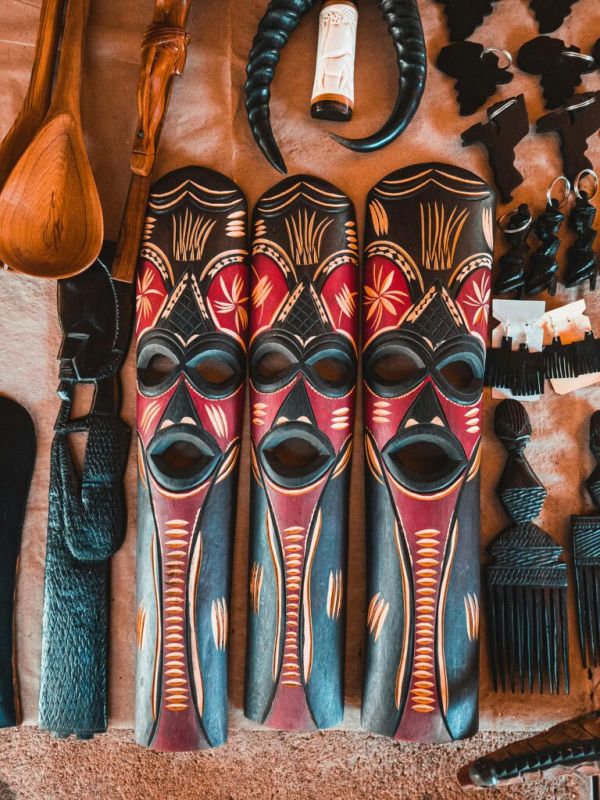
India is known around the world for its rich tradition of handicrafts, with every region carrying its own unique artistic identity passed down through generations. From handwoven fabrics and pottery to wood carving and embroidery, several Indian towns have become famous for preserving traditional craftsmanship while attracting tourists, collectors and shoppers from across the globe. Here are five Indian towns that are especially celebrated for their vibrant handicraft culture.
Jaipur in Rajasthan is one of India’s biggest handicraft hubs. The city is famous for blue pottery, block printing, lac jewelry and traditional textiles. Local markets like Johari Bazaar and Bapu Bazaar are filled with handcrafted goods showcasing Rajasthan’s colorful artistic heritage. Jaipur’s artisans continue to keep centuries-old techniques alive, making the city a favorite destination for handmade shopping.
Kutch in Gujarat is another major handicraft center known for its embroidery, mirror work and handwoven textiles. Villages in the Kutch region produce beautifully detailed fabrics and traditional crafts made entirely by hand. The area became globally famous for its intricate embroidery styles, leatherwork and handcrafted home décor items that reflect Gujarat’s folk culture.
Saharanpur in Uttar Pradesh is widely known for its world-famous wood carving industry. Skilled artisans create detailed furniture, decorative panels and wooden handicrafts using traditional carving methods that have existed for generations. The town exports handcrafted wooden products to many countries and remains one of India’s largest woodworking centers.
Mysuru in Karnataka is famous for sandalwood carving, silk sarees and traditional paintings. Mysore silk is considered among the finest in India, while sandalwood handicrafts from the region are prized for their fragrance and intricate detailing. The city’s artistic traditions are deeply connected to Karnataka’s royal heritage and cultural history.
Bhubaneswar and nearby Pipili in Odisha are especially known for appliqué work and traditional handicrafts. Pipili’s colorful stitched fabric decorations, umbrellas and wall hangings are instantly recognizable because of their vibrant patterns and folk-inspired designs. Odisha is also famous for stone carving and silver filigree craftsmanship that reflects the state’s temple art traditions.
These towns are not only important shopping destinations but also cultural centers that preserve India’s artistic identity. Many local artisans continue to rely on traditional handcrafting techniques instead of machine production, helping keep centuries-old skills alive in the modern era.
For travelers, visiting these handicraft towns offers more than just shopping. It provides a chance to witness artisans at work, understand regional traditions and experience the deep connection between Indian culture and handmade art.
-
AC Tips: If you want to escape the scorching 45-degree heat, change these AC settings immediately..

-
Best Travel Credit Card 2026: HSBC, SBI, or HDFC—Which Card Offers 12 Free Lounge Access Visits? Here Are the Details..

-
4 Easy Ways to Check Your PF Balance: Why Is the Deposited Amount Not Showing in the Passbook on the UMANG App and EPFO Website?

-
Railways Introduces 'Q-Mitra' System: No More Hassles for Tatkal Tickets; Will Put a Curb on touts...

-
AI Will Now Work Autonomously: Google Introduces 'Agentic Gemini Era'—Find Out What Will Change, From Your Smartphone to YouTube..