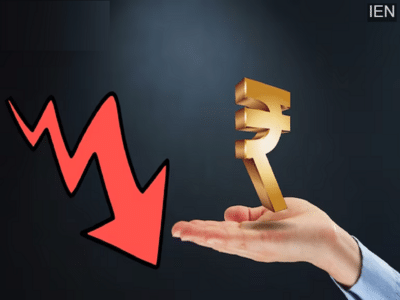

Rupee Hits Record Low Against Dollar: 4 Major Ways a Weak Currency Can Losses Your Daily Budget
The Indian rupee has slipped to record low levels against the US dollar, raising concerns among consumers, businesses, students, and travelers across the country. While currency fluctuations may not immediately impact every household, a prolonged decline in the rupee can gradually make several essential expenses significantly more expensive for ordinary Indians.
From smartphones and fuel prices to foreign education and overseas travel, the effects of a weak rupee can spread across multiple sectors of the economy. At the same time, some export-driven industries such as IT and pharmaceuticals may actually benefit from the currency depreciation.
Here’s a detailed look at why the rupee is weakening, what it means for consumers, and which sectors may gain or lose from the ongoing currency pressure.
Why Is the Indian Rupee Falling?The rupee has been under pressure due to a combination of global and domestic factors. One of the biggest reasons behind the decline is the sharp rise in crude oil prices triggered by growing geopolitical tensions in West Asia.
Crude oil prices have reportedly crossed the $100 per barrel mark in recent weeks, increasing concerns for oil-importing countries like India. Since India imports more than 85% of its crude oil requirements from overseas markets, higher oil prices automatically increase the country’s import bill.
As oil companies require more US dollars to purchase crude oil, demand for the dollar rises sharply. When dollar demand increases, the rupee weakens further against the American currency.
Apart from oil prices, the strengthening of the US dollar globally and rising US bond yields have also contributed to pressure on emerging market currencies, including the Indian rupee.
1. Imported Goods Could Become More ExpensiveOne of the earliest and most noticeable effects of a weaker rupee is the rise in prices of imported products.
Electronic gadgets such as smartphones, laptops, cameras, gaming consoles, premium televisions, and imported appliances could become costlier because companies need to spend more rupees to purchase the same amount of dollars for imports.
Many Indian manufacturers also rely heavily on imported raw materials and components. If their import costs rise, businesses may eventually pass the burden on to consumers through higher product prices.
As a result, consumers planning to buy gadgets, electronics, or imported luxury goods may end up paying significantly more if the rupee remains weak for an extended period.
2. Foreign Travel and Overseas Education May Cost MoreA falling rupee directly affects Indians traveling abroad or studying in foreign countries.
Since every US dollar now costs more rupees, expenses related to international travel automatically rise. Hotel bookings, shopping, local transportation, food, entertainment, and currency exchange become more expensive for Indian tourists.
The impact can be even more significant for students pursuing education overseas. Tuition fees, hostel rent, living expenses, insurance, and other academic costs may increase substantially when converted into rupees.
Families sending children abroad for higher studies may have to allocate larger budgets if the rupee continues to weaken against major global currencies like the US dollar, pound, or euro.
3. Petrol, Diesel and Inflation Risks Could RiseIndia’s heavy dependence on imported crude oil means that a weaker rupee can eventually push fuel prices higher.
If crude oil prices stay elevated globally while the rupee remains under pressure, oil marketing companies may face increased import costs. This can translate into higher petrol and diesel prices for consumers.
Rising fuel costs do not only affect vehicle owners. They also increase transportation and logistics expenses across the economy.
As transport costs climb, the prices of groceries, food delivery services, household products, medicines, and other daily-use items may gradually increase. This can fuel overall inflation and put additional pressure on household budgets.
4. Businesses and Household Budgets May Face PressureSeveral sectors in India depend heavily on imports, including aviation, automobiles, electronics, chemicals, and industrial manufacturing.
A weaker rupee can increase operational expenses for these industries, impacting profitability and production costs. Companies may either absorb the higher costs temporarily or transfer the burden to customers through price hikes.
For middle-class families, the overall impact may become visible in the form of rising living expenses, reduced savings, and tighter monthly budgets.
Large purchases such as gadgets, vacations, imported products, or luxury spending may become more expensive, forcing households to reconsider discretionary expenses.
Can a Weak Rupee Benefit Anyone?Interestingly, a weaker rupee is not bad news for every sector.
Export-oriented industries such as information technology, pharmaceuticals, textiles, and software services often benefit from a depreciating currency. Since these companies earn revenue in US dollars, converting those earnings into rupees results in higher income.
Indian IT companies, especially those serving global clients, may witness improved margins during periods of rupee weakness.
Similarly, families receiving money from relatives working abroad can also benefit because remittances converted into rupees generate higher value when the dollar strengthens.
What Should Consumers and Investors Do?Financial experts advise consumers to avoid panic during currency fluctuations but remain financially prepared for rising costs in certain areas.
People planning overseas education, foreign vacations, or expensive imported purchases may consider budgeting more carefully. Investors should also keep an eye on inflation trends, fuel prices, and global market developments.
Meanwhile, exporters and sectors earning in dollars could continue to see positive momentum if the rupee remains weak in the coming months.
Although currency movements are influenced by global economic factors beyond individual control, understanding their impact can help households make smarter financial decisions and manage expenses more efficiently.
-
'Things Happen On The Field': Sanju Samson & Heinrich Klaasen Exchange Heartwarming Messages After Heated Clash During CSK vs SRH IPL 2026 Match

-
IPL 2026: RCB Opener Phil Salt Set To Return After Month-Long Injury Layoff

-
CHSE Odisha Plus Two Result 2026: Science Records Highest Pass Percentage At 88.80%, Commerce At 88.07%, Arts At 84.50%

-
CHSE Odisha Plus Two Result 2026 Declared At results.odisha.gov.in; Direct Link Active At 1 PM

-
‘Discipline Is The Root Of Freedom’: Nirvaan Birla On Balancing Ambition And Peace