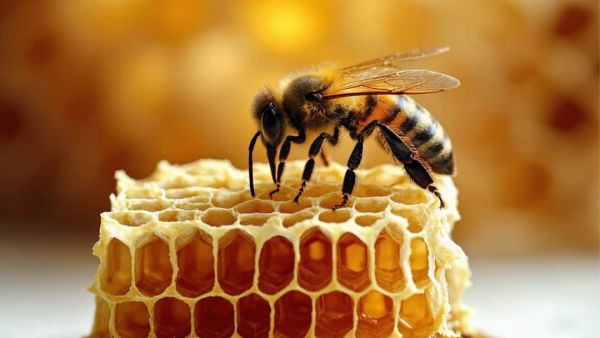
World Bee Day is celebrated globally every year on May 20 to highlight the importance of bees and other pollinators in maintaining ecological balance. Established by the United Nations in 2017, the day aims to spread awareness about how protecting bees is directly connected to food security, biodiversity, and environmental health across the world.
Although bees are best known for producing honey, their role in nature goes far beyond that. These tiny creatures are among the planet’s most hardworking pollinators, helping crops grow and ecosystems thrive.
On World Bee Day, here are some fascinating facts that reveal why bees are truly among nature’s most remarkable creatures.
Bees Have An Extraordinary Sense Of Smell
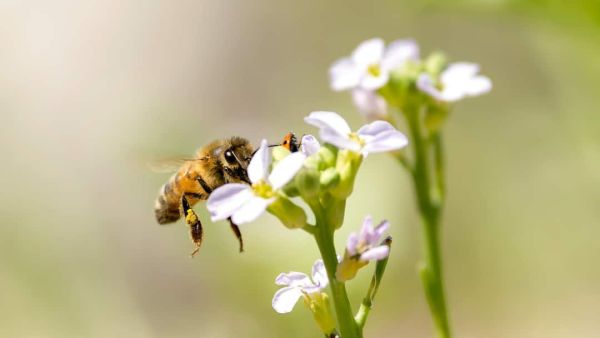
Honey bees possess around 170 odor receptors, giving them a sense of smell far stronger than dogs. Their antennae are packed with hundreds of taste receptors, helping them identify flowers, food sources, and even danger with remarkable precision.
Tiny Brains, Brilliant Intelligence
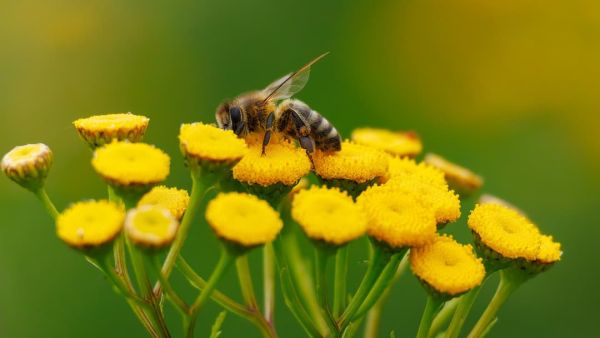
A bee’s brain is roughly the size of a sesame seed, yet these insects can navigate long distances, recognise patterns, communicate directions, and even perform simple mathematical tasks. Scientists have also studied bees to better understand memory and brain ageing.
Bees See The World Differently
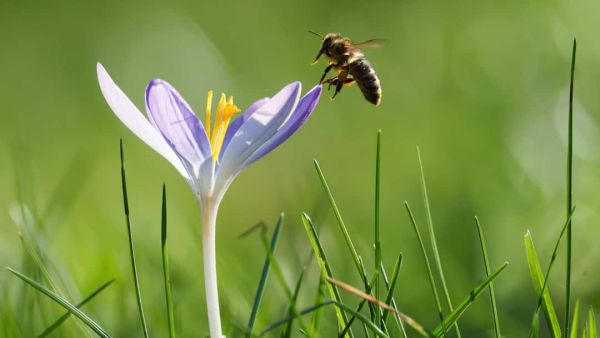
Bees cannot see the colour red, but they can detect ultraviolet light patterns invisible to humans. These hidden markings on flower petals guide bees directly to nectar sources like glowing landing strips.
They Carry Their Own Grocery Bags
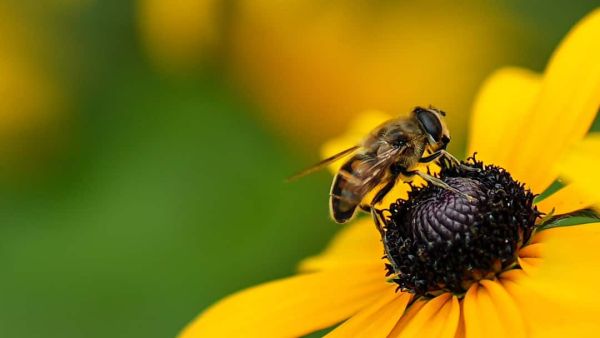
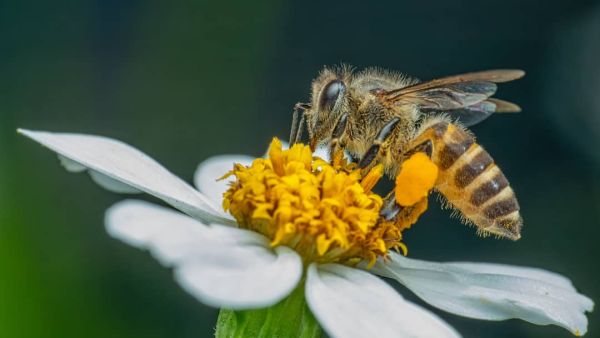
Worker bees have special structures called pollen baskets on their hind legs. These tiny compartments allow them to carry pollen weighing up to 35 percent of their own body weight back to the hive.
Every Bee Has A Different Role
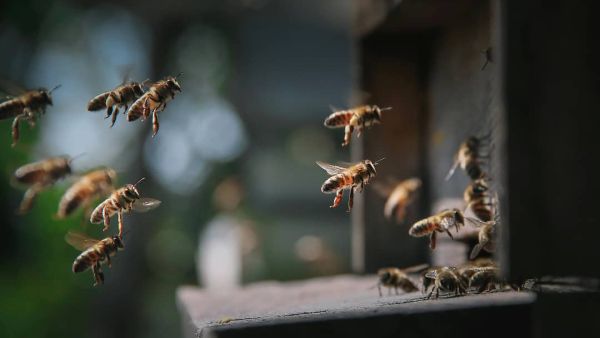
Inside a hive, bees are divided into three types, queens, workers, and drones. Worker bees handle cleaning, nursing, building comb, guarding the hive, and collecting food, while drones exist mainly to mate with the queen.
Queen bees are fed royal jelly throughout their larval stage, which transforms them into fertile queens. A healthy queen can lay up to 3,000 eggs a day and may survive for several years, far longer than worker bees.
Bees Dance To Share Directions
When a bee discovers a rich food source, it performs a fascinating 'waggle dance' inside the hive. Through specific body movements, the bee tells others the direction, distance, and quality of the food location.
Bees Have Five Eyes
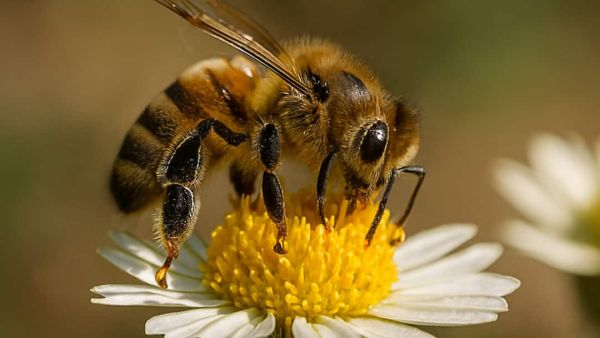
Honey bees may be tiny, but they actually have five eyes. Two large compound eyes help them see the world around them, while three smaller eyes on top of their heads help detect light and navigation.
Bees Can Recognise Human Faces
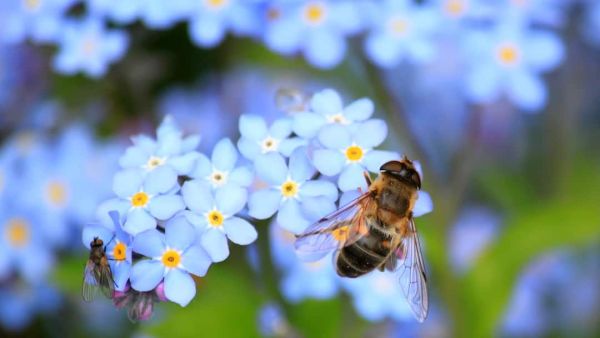
Research suggests bees can identify patterns well enough to recognise human faces. Scientists believe their visual processing abilities could even inspire future facial recognition technologies.
Bees Can Help Detect Explosives
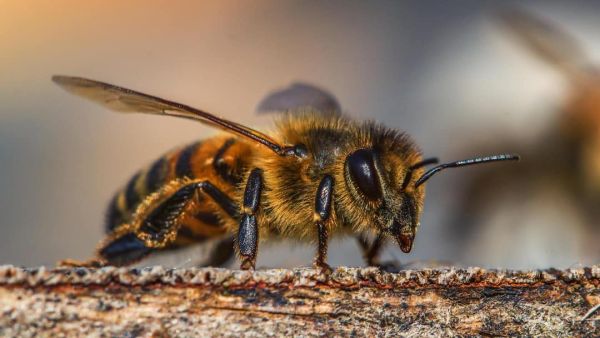
Because of their extraordinary sense of smell, scientists have trained bees to detect explosives, chemicals, and even landmines. Their sensory abilities continue to inspire modern scientific research.
Climate Change And Pesticides Threaten Bees
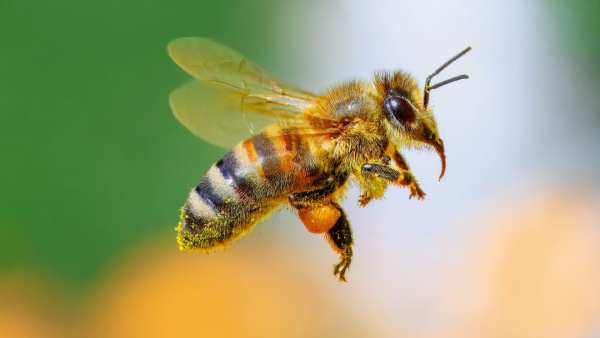
Despite their resilience, bees face major threats from pesticides, habitat loss, diseases, and climate change. Millions of bee colonies are lost every year, raising concerns about the future of pollination and food security worldwide.
-
UPSC Calendar 2027: UPSC Releases Next Year's Exam Calendar—Find Out When Each Vacancy Will Be Announced..

-
Silver Prices Surge Again Amid Global Tensions; Check Latest Rates in Your City

-
UGC NET 2026: Application Deadline Extended; Apply by May 23 Now—Check the Revised Schedule..

-
Gold Prices Continue Rally Across India; Delhi, Chennai and Mumbai See Fresh Spike in Rates

-
Income Tax Notice Alert: These 5 Common ITR Filing Mistakes Could Trigger Trouble From Tax Department