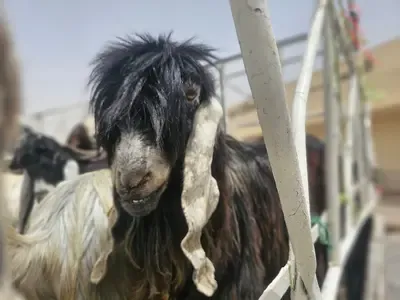
With less than a week left until Eid Al Adha, residents are preparing for the festival and the religious sacrifice, which takes place after prayers. Residents have started visiting the Sharjah livestock market to check prices for sacrificial animals, compare breeds and understand the sacrifice process before the festive rush begins.
Traders at the market said that the Indian goats are now being brought into the UAE by air cargo due to shipping disruptions, while market officials have introduced new systems and additional facilities to reduce congestion and improve customer experience during the busy Eid period.
According to traders, goat prices depend on the breed, country of origin and the animal’s weight. "Currently, the price starts from around Dh800 and can go up to Dh2,200 depending on the breed, size and weight," said Abdul Qureshi, a trader at the Market.
Stay up to date with the latest news. Follow KT on WhatsApp Channels.
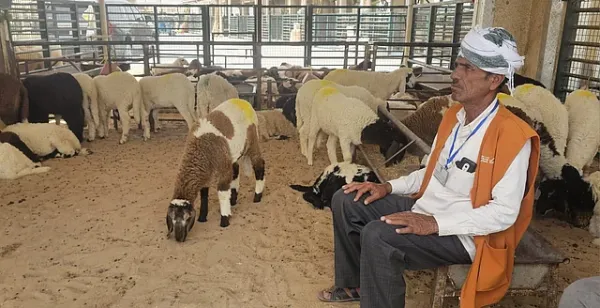
Abdul Qureshi, a trader at the Market
How much are goats selling for?At the Sharjah livestock market in Sajaa, Somali goats are currently priced between Dh1000 and Dh2,000, depending on their weight and size. "Indian goats, which are seeing strong demand this year, are being sold for around Dh900 to Dh1,600 and above," said Qureshi.
Shahid Mirza, a trader at Al Rukn Livestock Trading in the Sharjah market, said prices have slightly increased this year as some traders are importing Indian livestock through air cargo.
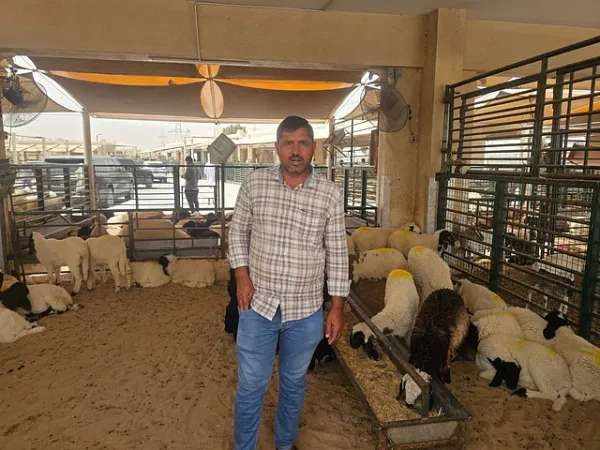
Shahid Mirza, a trader at Al Rukn Livestock Trading
“Earlier, Indian goats used to arrive by sea and would take around five to seven days. Now, because of what is happening in the region, some traders are bringing them by airplane,” he said.
He added that Indian breeds are currently the most preferred among customers, although residents are also enquiring about Somali and Sudanese livestock. According to traders, the average budget of most families visiting the market this year is around Dh1,000 to Dh1,500 per goat.
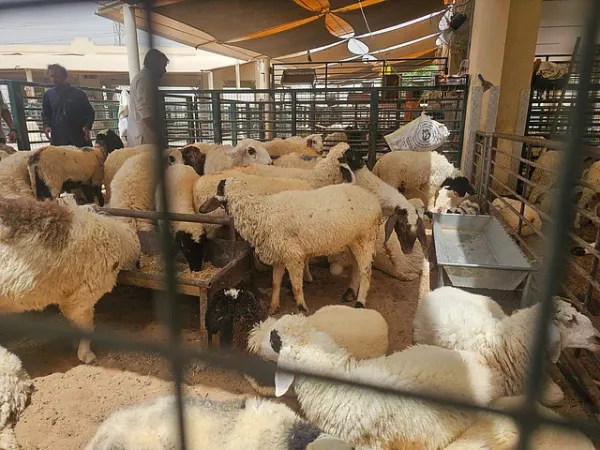
Sharjah livestock market
Why are residents visiting early?Traders said that enquiries for sacrificial animals have already started, although sales are expected closer to Arafat Day and Eid morning.
“People who have space to keep goats at home are already making purchases, while residents living in apartments are still visiting to check prices and options,” said Mirza.
Officials at the market said the biggest rush is expected on Arafat Day and the first day of Eid Al Adha, when thousands of residents usually visit the market.
Market officials said residents who live in apartments and do not have space to keep livestock at home can still select and pay for their goats in advance.
The goats can remain inside the market pens for one or two days before the customer returns to send the animal directly to the slaughterhouse. “This option has become useful for apartment residents who want to avoid last-minute rush and transportation difficulties,” said Abdullah AlShamsi, regional market manager, Sharjah.
What happens after the goat is handed over?Officials at the market said that that once the goat is handed over for sacrifice, it first goes through slaughtering before moving to skin removal, waste removal, inspection and cutting stages.
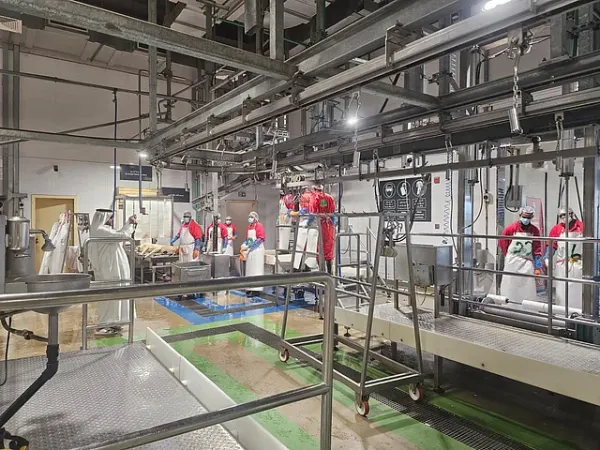
Abattoir inspections taking place
“Under normal circumstances, the entire process from slaughtering to handing over the meat to the customer usually takes around 20 to 25 minutes. Waiting times during peak Eid rush hours are difficult to predict due to the large number of visitors expected,” said AlShamsi.
New arrangements at Sharjah livestock marketAl Shamsi said that all preparations for Eid Al Adha have been completed in cooperation with Sharjah Police, Sharjah Municipality and other participating entities.
According to officials, the market has introduced a new tracking system for sacrifice orders this year to improve service speed and reduce confusion during peak hours.
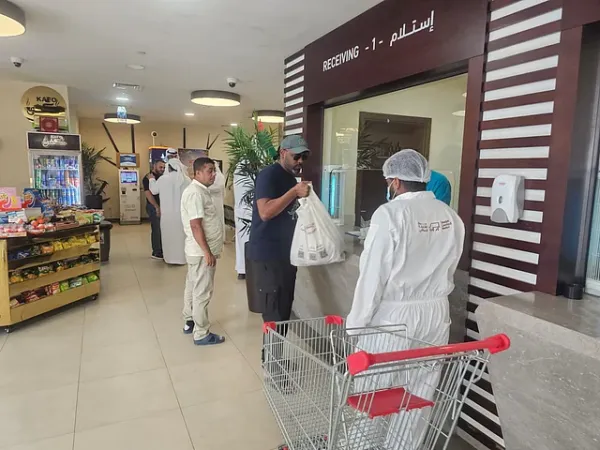
The market has also prepared dedicated customer pathways to reduce congestion, along with fully equipped waiting tents for visitors. “Apart from ease in the process, the number of butchers, cleaning staff and supervisors has been increased to maintain hygiene, safety and smoother operations during Eid,” said AlShamsi.
“The first day of Eid, the market will remain open after Eid prayers until 10pm,” added Al Shamsi.
Eid Al Adha: Dubai approves 5 slaughterhouses; check locations, working hours Eid Al Adha Qurbani in 15 mins: Demand for home-delivered meat orders up by 200% From sheep to camels: UAE residents can now order Eid sacrifice animals online-
Hearts issue new statement on 'abandoned Celtic match' and take jab at Martin O'Neill

-
UPSC CDS II 2026 Notification Released for 451 Vacancies

-
Martin Lewis pension '25 percent' withdrawal warning as he says avoid costly mistake

-
Rajasthan: Two sisters die after getting trapped in car while playing

-
Tension in Patna as police halt RJD student wing's protest march on NEET issue