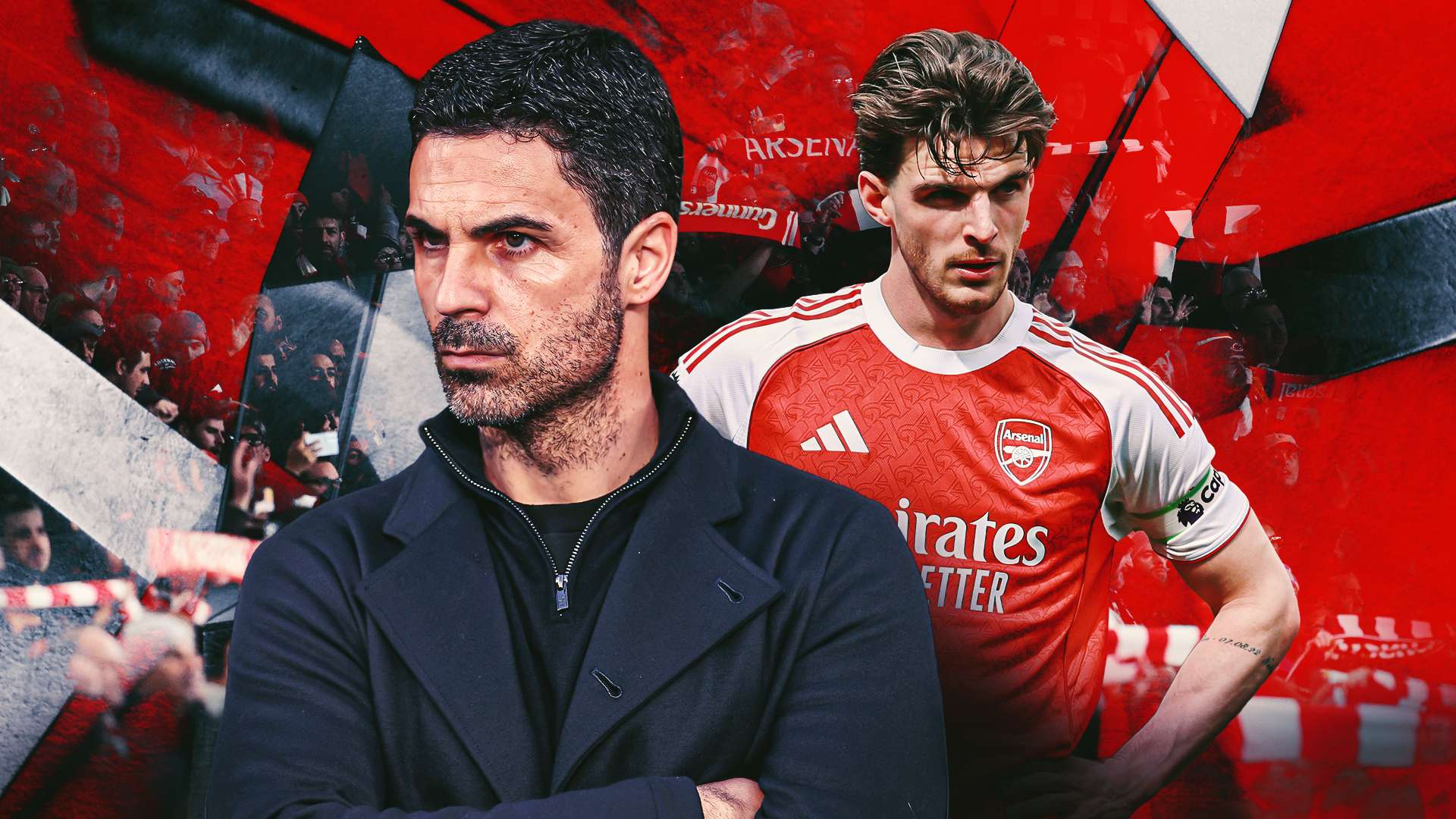
It’s that point in the season again for Arsenal. As April arrives, the world gets another glimpse of what this team is truly made of. Sadly for the Gunners, the same old pattern is repeating itself. Saturday’s home defeat to Bournemouth had a haunting familiarity, echoing previous late-season collapses.
This loss to Andoni Iraola’s Bournemouth wasn’t a smash-and-grab by any measure, but Arsenal’s recent form has been far from that of champions. Just a few weeks ago, the idea of a potential quadruple seemed realistic, with results up to the Carabao Cup final and favourable draws in the FA Cup and Champions League feeding that belief.
Now, despite sitting six points clear at the top of the Premier League, Arsenal’s campaign appears to be spiralling again. The Emirates Stadium crowd even booed them when that lead was nine points. The responsibility for this slump inevitably falls on manager Mikel Arteta.
Early kick-off concerns
Before the Bournemouth clash — Arsenal’s first fixture since their dramatic win over Everton on March 14 — Arteta tried to rally fans, knowing the early Saturday kick-off could be tricky.
“The closer we get to the end of the season, the more significant the matches become,” Arteta said in his pre-match press conference.
“Tomorrow is a big day for us. The players know it, the fans know it. It’s a 12:30 kick-off — an early one. So, get up early, have an early breakfast, bring your lunch, bring your dinner as you say in England, and let’s go all in together because it has to be a big day.”
In truth, it’s a message Arteta might have been better off directing at his players. As Wayne Rooney once joked, no one enjoys eating pasta at nine in the morning. Arsenal were inferior in most areas, managing only 0.18 expected goals from open play. Their reliance on set pieces has finally caught up with them.
Training theatrics
In one of their last sessions before facing Bournemouth, Arsenal trained at London Colney in front of a massive screen playing a TikTok video featuring an AI-generated song listing each player’s name. The clip later circulated on social media.
It was a snapshot of why outsiders often find this Arsenal side and its management hard to warm to — another example of Arteta’s perceived theatricality rather than the focus of a title-chasing team.
Déjà vu from Paris
Arteta’s “bring your dinner” comment echoed his words before last year’s Champions League semi-final with Paris Saint-Germain.
“I want to tell our fans that against PSG, they have to play every ball with us. Bring your boots, your shin pads, your shorts, your shirts,” he said before the first leg.
In a motivational video played at the Emirates before kick-off, Arteta urged fans again: “It’s our time. It’s time to make it happen. I need you, I need the person next to you. I need that connection. Play every pass, every tackle, every run with us. Feel the energy of the stadium. I count on you. Let’s make it happen.”
But the message failed to inspire. The North Bank’s tifo display of the iconic cannon was underwhelming, and after Ousmane Dembele’s early goal, the atmosphere fizzled out. The team gave fans little reason to reignite it.
Arteta’s evolving image
When Arteta first took charge, public opinion was largely neutral. He was remembered as the composed midfielder from his Arsenal and Everton days. Even after two eighth-place finishes, there was patience, as most believed the club needed a reset.
That perception shifted dramatically after the release of Arsenal’s 2021-22 season documentary with Amazon Prime. Arteta’s motivational gimmicks divided opinion — some admired his passion, others found him cringe-worthy and overly theatrical.
In contrast, Pep Guardiola’s Manchester City, despite their intense methods, have never felt the need to publicise such antics. The difference in approach has become increasingly noticeable.
Supporters feeling the strain
Arteta’s efforts to reconnect Arsenal with its heritage and fanbase are commendable, but they now risk backfiring. Introducing ‘The Angel’ as the new club anthem and encouraging European-style goal announcements aimed to boost atmosphere — small details, yes, but they’ve not masked the growing discontent.
When Arsenal re-emerged as genuine title contenders in 2022-23 and 2023-24, their football was exciting and expressive. They fell short due to inexperience and a lack of squad depth, issues seemingly addressed by the summer of 2025. Yet now, with one of the largest squads in the league and fans paying some of Europe’s highest ticket prices, the football being served is dull and uninspiring.
Critics have called supporters entitled for booing after the Bournemouth defeat. But their frustration is understandable. If a team plays pragmatic, unattractive football, it must deliver results. Generations of fans have watched Arsenal falter at crucial stages — only now, the flair once associated with failure is gone too. These fans must endure the ridicule at work or in pubs, while players and coaches remain shielded by their wealth and social media filters.
This tension feeds directly into the Emirates atmosphere. The unease and groans are now ingrained in the club’s identity, more than any pre-match ritual could fix. Arteta’s last challenge is to change that — and only a Premier League or Champions League title will do it.
Still hope ahead
Despite the gloom, Arsenal’s season isn’t over. As Arteta noted after the Bournemouth game, anyone at the start of the campaign would have gladly accepted their current position.
Wednesday’s Champions League quarter-final second leg against Sporting represents a massive opportunity. Arsenal have reached the European Cup semi-finals only twice before, and they now stand poised to do it in back-to-back seasons. A potential semi-final meeting with Atletico Madrid — a team they thrashed 4-0 earlier this season — looms large.
Ironically, Arsenal must treat this as just another match. No gimmicks, no theatrics — just focus. Get the job done. It’s not the fans’ role to push the team over the line; it’s the team’s duty to inspire the fans.
-
Throughout the season, we''ve been quite poor in fielding: Pandya

-
No compromise on quality, deadline of development works: Yogi Adityanath

-
Two arrested in dowry death case after woman falls from building in west Delhi

-
Tottenham Player Ratings vs Chelsea: Spurs Still in Danger as Randal Kolo Muani Struggles and Relegation Battle Heads to Final Day
-
How To Apply Multani Mitti Correctly On Face For Maximum Skin Benefits