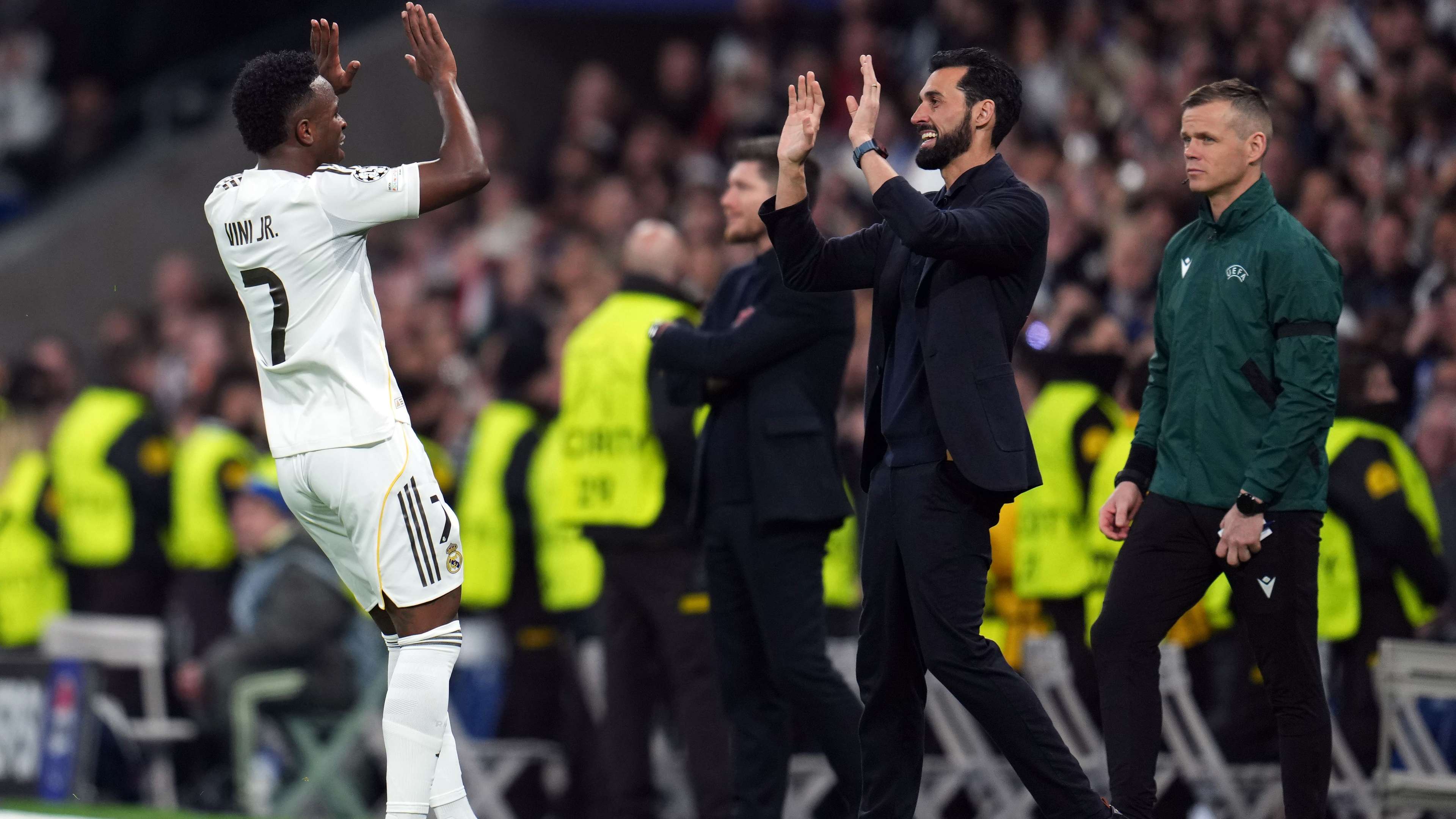
It’s already a make-or-break moment for Alvaro Arbeloa. The Real Madrid rookie manager must pull off something extraordinary against Bayern Munich in the Champions League to keep his position at the Santiago Bernabeu.
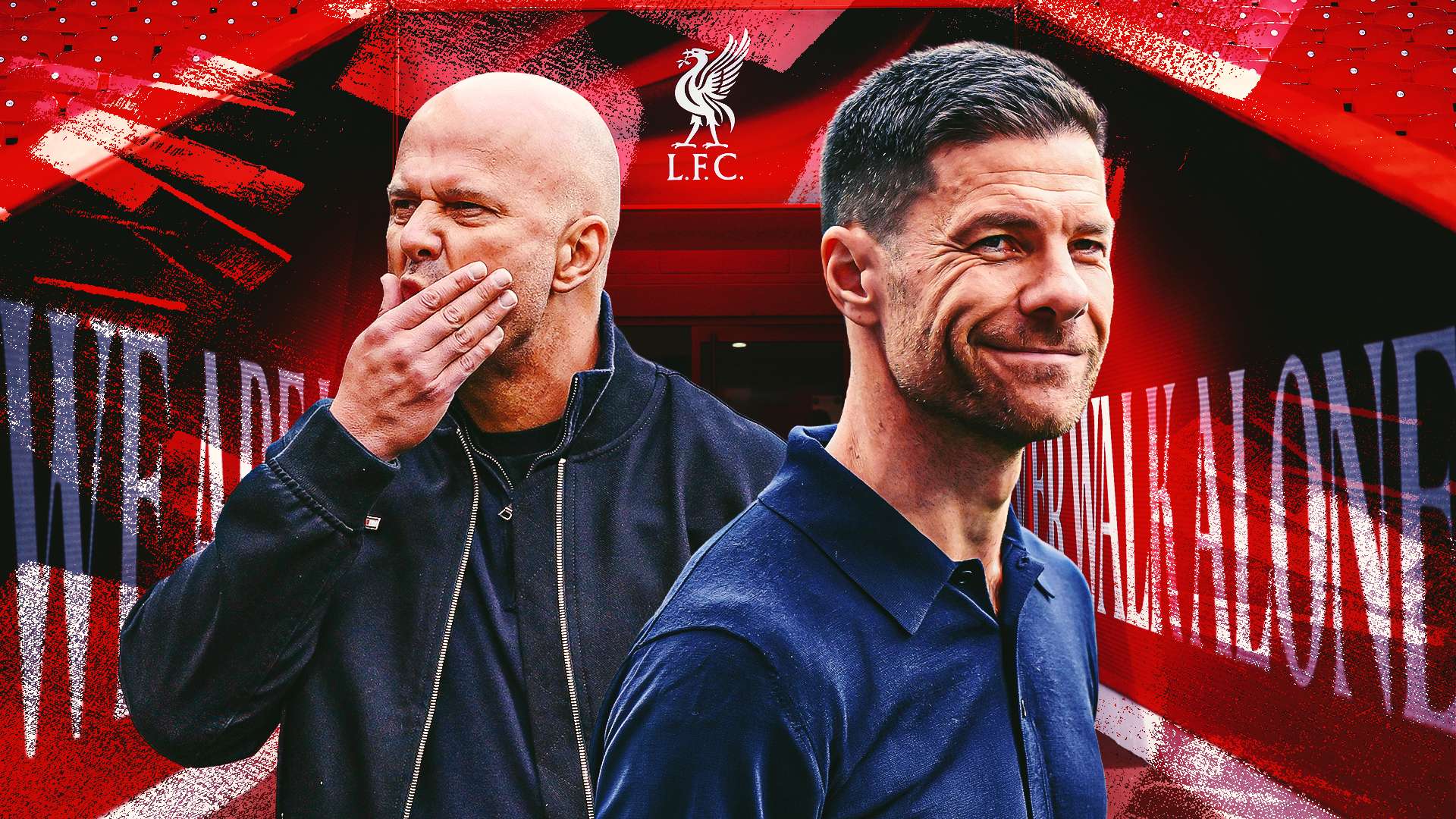
Was this really Florentino Perez’s best option? When Real Madrid dismissed Xabi Alonso after fewer than five months in charge, the assumption was that there would be a clear succession plan. Alonso, once hailed as the next big thing, was expected to pave the way for someone equally capable to take over. Given Madrid’s stature, it seemed inevitable that a ready-made replacement would be waiting in the wings.
In some ways, Arbeloa appeared to be that candidate. He ticked all the boxes — a club legend, a coach from the academy, Spanish, and with the right attitude. His stern demeanour and no-nonsense approach fit Madrid’s managerial archetype. He looked every bit the part: sharp dresser, disciplined communicator, and someone who seemed intent on letting his players express themselves on the pitch.
But that impression has quickly faded. Arbeloa, once full of promise, now appears overwhelmed by the demands of managing Real Madrid. Where others have thrived under pressure, he seems consumed by it. Be it the results, the performances, or the unrelenting scrutiny of the Bernabeu, his reign so far has been nothing short of disappointing.
And now, it all comes down to Wednesday night. The La Liga title is already slipping away. The Copa del Rey campaign is over. Even though Madrid managed to engineer some magic against Manchester City in the round of 16, Bayern Munich present a far sterner challenge. Facing a deficit against a superior side, Madrid’s situation screams for a classic “remontada.” For Arbeloa, a comeback is not just about salvaging the season — it’s about saving his job.
The promising arrival
When Xabi Alonso’s departure became official on January 12, Arbeloa’s appointment followed almost immediately. Alonso’s sacking, though long speculated, felt abrupt. There was no dramatic build-up or speculation — merely a short announcement: “Real Madrid C.F. would like to announce that Alvaro Arbeloa will be the new first team coach.”
Perhaps that was exactly what the club needed after the chaos of Alonso’s final weeks — a period marked by tensions with Vinicius Jr, fan unrest, and uninspired football. Arbeloa brought a colder, more pragmatic approach. His introductory press conference was brief and businesslike, devoid of emotion. His message was clear and simple.
“This club is about winning, winning, and winning again. Those demands reflect the DNA that has shaped our history. As a player, I learned those values in the dressing room. They still exist, and that’s what matters. We want to excite fans all over the world and fill our trophy cabinets even more. That’s my mission,” he said.
Permanent or short term?
Yet one question remained unanswered — how long would Arbeloa stay? Was this a temporary fix or a long-term plan? His response was deliberately vague: “I’ve been at this club for 20 years, and I’ll be here as long as Real Madrid want me to be. This is my home, and it always will be.”
His tenure, however, began disastrously. Wanting to reward the youngsters he had coached at La Fabrica, Arbeloa handed four debuts in a Copa del Rey clash against second-tier Albacete. Madrid lost 3-2 after conceding a stoppage-time goal.
La Liga offered little relief. Over the past three months, Madrid have steadily slipped out of the title race. They now trail Barcelona by nine points, and even an El Clasico victory next month might not be enough to close the gap.
No better than Alonso
Statistically, Arbeloa’s record is worse than Alonso’s. From the Club World Cup to early January, Alonso’s Madrid played 34 games, winning 24 and losing six — not disastrous, but below Madrid’s sky-high expectations. Defeats to PSG, Liverpool, Atletico Madrid, Celta Vigo, Barcelona, and Manchester City proved costly. The losses at Anfield and in the Supercopa final were particularly damaging.
Arbeloa’s numbers are less encouraging: 20 games, 13 wins, six losses, and one draw. His win rate is lower, and his defeats — to Bayern, Mallorca, Getafe, Osasuna, Benfica, and Albacete — are concerning.
Their tactical approaches also differ. Alonso was a “systems” coach, emphasising structure and defensive discipline while finding ways to accommodate Vinicius Jr and Kylian Mbappe. Arbeloa, by contrast, initially followed a 4-3-3 setup in the academy, developing players like Thiago Pitarch, now a first-team regular. His teams played quick, possession-based football with clear organisation.
Ditching his principles
However, Arbeloa has since abandoned those ideals, shifting to a 4-4-2 formation reminiscent of Carlo Ancelotti’s least successful spells. He has essentially admitted that Madrid’s stars are too big to be micro-managed — that their talent compensates for tactical looseness.
But this relaxed approach has backfired. Madrid now look lethargic and predictable. Opponents sit deep, double-mark Vinicius Jr, and counterattack effectively. Kylian Mbappe’s recent dip in form hasn’t helped. The result is a team that seems easy to read — and easier to beat.
Last week’s 2-1 loss to Bayern Munich underlined those flaws. The German champions dominated and could easily have scored more. Only Vinicius’ strike and Jude Bellingham’s relentless energy kept Madrid in the tie.
The big game
Still, Madrid have been here before. The club’s Champions League mystique has carried them through countless crises. Their belief in the badge and their ability to deliver under pressure have become legendary.
Joselu suddenly morphing into a Harry Kane-like striker, Thibaut Courtois’ heroics against Liverpool in 2022, or Rodrygo’s improbable header against Manchester City — these moments defy logic. Bayern might be stronger on paper, but Madrid have a habit of thriving when written off.
Arbeloa himself acknowledged that his team must be much better than in the first leg. Yet this is exactly the kind of situation where Madrid’s resilience comes to life. Vinicius and Mbappe both struggled in the recent draw with Girona, but there’s no better stage for redemption than overturning a 2-1 deficit against Europe’s best. “Real Madrid’s history is built on overcoming challenges like tomorrow,” Arbeloa said.
A referendum on the manager
This match feels like a verdict on Arbeloa’s future. Logic suggests Madrid will lose — Bayern are in top form, Harry Kane looks unstoppable, and Madrid’s season has unravelled. Yet history shows that even under pressure, their managers pull off miracles. Carlo Ancelotti did it; now Arbeloa must too.
He’s saying all the right things: talking about belief, comebacks, and comfort on big nights. He’s following the club’s time-tested Champions League script. But unlike his predecessors, he lacks a proven track record. He was thrown into this job with little preparation and few credentials beyond his familiarity with the club.
Expecting a miracle may be unfair — but fairness has never been part of Real Madrid’s story. For Arbeloa, this must be his “remontada.” Anything less, and his time at the Bernabeu may soon be over.
-
Southampton confident of 'Spygate' appeal success, but manager risks suspension after serious breach
-
Bosnia and Herzegovina confirm final World Cup 2026 squad under Sergej Barbarez
-
Cafu says Neymar was left to carry Brazil alone for too long, names Casemiro and Marquinhos as future leaders for 2026 World Cup
-
Arsenal must focus on results, not flair! Mikel Arteta’s side have no need to entertain in the Man City title clash and shouldn’t hesitate to defend deep at the Etihad

-
Liverpool may rue keeping faith in Arne Slot while Chelsea pursue Xabi Alonso