The Indian government has proposed significant legislative changes to the National Anti-Doping Act to introduce criminal penalties for individuals who traffic or distribute prohibited substances to competitive athletes. The upcoming amendment aims to dismantle illegal distribution networks by imposing prison sentences of up to five years for suppliers, including medical practitioners who knowingly prescribe these banned enhancements.
Parliamentary Timeline Established
The Sports Ministry has published the draft proposals on its official website to gather essential public feedback before the final submission deadline on June 18. The legislation is scheduled to be introduced to lawmakers during the next parliamentary session.
“Whoever administers or applies to an athlete, for the purpose of or in connection with doping in sport...shall be punishable with imprisonment for a term which may extend to (five) years, or with fine which may extend up to (two lakh) rupees, or both,” the proposed amendment states as reported by PTI.
Targeting Supply Chains
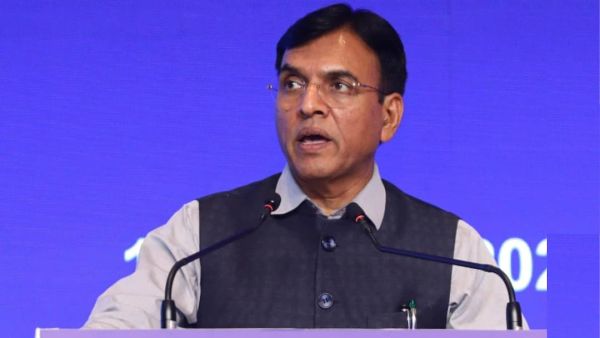
Sports Minister Mansukh Mandaviya emphasized that the focus of anti-doping regulations must expand beyond the athletes to include the support staff who facilitate access to illegal performance enhancers.
“Doping is no longer just a sporting violation; it has evolved into an organised ecosystem exploiting athletes,” Mandaviya told PTI during a media interaction detailing the urgent legislative shift.
“We only punish those who are consuming but suppliers need to be targetted as well. So whether it is a coach, a manager, a fellow athlete or anyone who has direct access to an athlete, those found guilty of being part of the supply chain will be prosecuted if these amendments go through,” the minister added.
Broad Prosecution Scope
The strict legal framework specifically targets commercial entities, distributors, and licensed healthcare professionals who intentionally violate the integrity of sport by facilitating access to prohibited performance methods.
“Whoever, for the purpose of or in connection with doping in sport, traffics in, sells, dispenses or otherwise places on the market without trafficking, or makes out a prescription for, any prohibited substance or prohibited method, shall be punishable with imprisonment for a term which may extend to [five] years, or with fine which may extend up to [two lakh] rupees, or both,” the text states.
Medical Liability Exemptions
The draft framework outlines specific protection clauses for healthcare providers treating athletes with legitimate medical illnesses or dealing with critical emergency medical care situations where immediate treatment is required.
“In situations referred to under this sub-section, it shall be the responsibility of the athlete to apply for a retroactive Therapeutic Use Exemption in accordance with the provisions of this Act and regulations thereunder,” the document notes.
“There shall be no liability for the relevant medical practitioner, regardless of whether the Therapeutic Use Exemption is granted or declined,” the policy document clarified according to PTI.
Athlete Protection Safeguards
The ministry confirmed that the regulatory processes governing testing violations committed directly by competitors will remain independent of the new criminal proceedings designed to target commercial networks.
“Anti-Doping Rule violations by athletes will continue to be dealt with under the existing anti-doping framework,” the official Ministry statement explained regarding the distinct separation of legal liabilities.
“The proposed amendments seek to ensure that clean athletes remain protected while enabling stronger action against criminal networks exploiting sport and athletes for commercial gain,” the department concluded.
-
AC Tips: If you want to escape the scorching 45-degree heat, change these AC settings immediately..

-
Best Travel Credit Card 2026: HSBC, SBI, or HDFC—Which Card Offers 12 Free Lounge Access Visits? Here Are the Details..

-
4 Easy Ways to Check Your PF Balance: Why Is the Deposited Amount Not Showing in the Passbook on the UMANG App and EPFO Website?
-
Railways Introduces 'Q-Mitra' System: No More Hassles for Tatkal Tickets; Will Put a Curb on touts...

-
AI Will Now Work Autonomously: Google Introduces 'Agentic Gemini Era'—Find Out What Will Change, From Your Smartphone to YouTube..