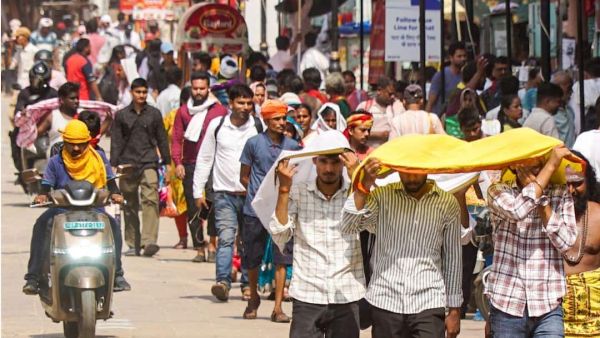
Warm nights, often referred to as 'tropical nights' when temperatures remain above 25°C (77°F), are a serious yet often overlooked health risk, especially in cities like Delhi during the pre-monsoon and monsoon seasons.
Why Nighttime Heat Is Particularly Dangerous
During the day, people are usually aware of the heat and take some protective measures (drinking water, staying in shade, using fans/AC). At night, the body is supposed to enter a restorative phase where core temperature drops slightly. When this doesn’t happen due to high ambient temperature and humidity:
- The cardiovascular system stays under stress (elevated heart rate, increased blood viscosity).
- Sleep architecture is disrupted, especially deep sleep and REM stages.
- Recovery hormones (growth hormone, melatonin regulation) are affected.
- Cumulative heat load builds up over multiple nights.
Key Health Impacts
Poor sleep can cause fatigue, poor concentration, mood changes, weakened immunity and increased blood pressure the next day. Dehydration and electrolyte imbalance also become more dangerous because people do not consciously drink enough water for many hours.
Research has shown an increase in hospital admissions for heart attacks, strokes, respiratory diseases and kidney problems during heatwaves. The most vulnerable remain the elderly, infants, pregnant women, diabetics, hypertensive patients and outdoor workers. Studies also show strong links between exposure to heat and increased heat-related mortality in many regions.
Practical Ways to Protect Yourself During Hot Nights
- Drink water before bed.
- Keep a bottle by the bed and sip if you wake up sweaty.
- Consider oral rehydration salts (ORS) or electrolyte drinks if you’re sweating heavily.
- Use cotton or moisture-wicking bedsheets.
- Place a damp cloth or cooling gel pad on your forehead/neck.
- Take a lukewarm (not cold) shower before bed.
- Use a fan + open windows for cross-ventilation if humidity isn’t extreme.
- Block daytime heat (close curtains/blinds during the day).
- Avoid using the bedroom for work or exercise during hot hours.
- If possible, use a good desert cooler or AC (even 24–26°C makes a big difference).
- Avoid heavy meals, alcohol, and caffeine close to bedtime.
- Light exercise in the early morning or late evening rather than afternoon.
- Monitor symptoms: persistent dizziness, rapid heartbeat, confusion, or reduced urine output need medical attention.
Disclaimer: The information provided in the article is shared by experts and is intended for general informational purposes only. It is not a substitute for professional medical advice, diagnosis, or treatment. Always seek the advice of your physician or other qualified healthcare provider with any questions you may have regarding a medical condition.
-
Coal mine gas explosion in China kills 82 people, state media says

-
NEET-UG fee refund bank details submission open till May 27: NTA

-
Khatron Ke Khiladi 15: 1st elimination round done; see bottom 2

-
FIR Against UP Congress Chief Ajay Rai Over 'Abusive' Remarks Against PM Modi

-
Heatwave Alert Across India: IMD Warns Of Severe Conditions As Temperatures Near 48°C