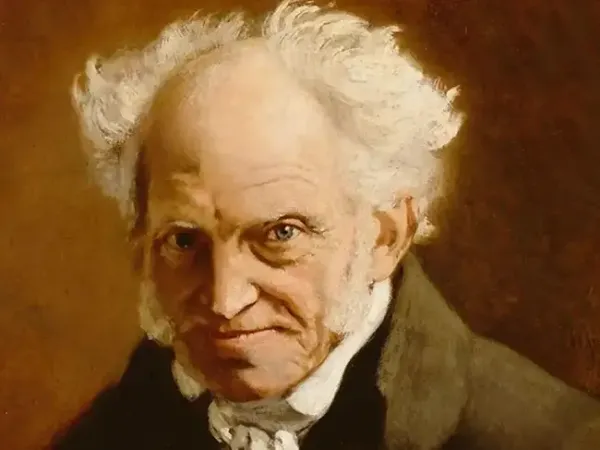
In a time when people are constantly connected through phones, social media and endless conversations, many still struggle to find quiet moments for themselves. That is one reason why a quote by German philosopher Arthur Schopenhauer continues to be discussed even today. His words about solitude and freedom are often shared online because they speak about individuality, independence and the difficulty of being truly oneself while surrounded by constant social pressure.
The quote of the day by Arthur Schopenhauer goes: “A man can be himself only so long as he is alone; and if he does not love solitude, he will not love freedom; for it is only when he is alone that he is really free.”
The quote reflects Schopenhauer’s belief that people often change their behaviour when they are around others. According to him, society expects individuals to adjust themselves constantly, whether through social rules, public image or the need for acceptance. He believed solitude gives a person space to think honestly and exist without outside interference. For Schopenhauer, being alone did not automatically mean sadness or isolation. Instead, he saw it as a condition where a person could better understand their own mind.
The second part of the quote connects solitude with freedom. Schopenhauer argued that someone who cannot tolerate being alone may never feel truly independent. In his view, freedom was not only political or social but also deeply personal. A person tied too closely to approval from others would struggle to think freely. Even today, many readers relate to this idea because modern life leaves little room for silence, reflection and privacy.
He often argued that modern social life pushes people toward conformity. According to his philosophy, many individuals slowly lose touch with their true selves because they spend too much time trying to fit into social expectations. Solitude, therefore, became important in his thinking because it allowed a person to step away from outside influence.
As a child, Schopenhauer travelled across Europe with his family and spent time in countries including France and England. These early experiences exposed him to different cultures and languages. However, despite his father’s commercial ambitions for him, Schopenhauer gradually became more interested in literature, philosophy and intellectual life.
After his father’s death in 1805, he moved away from business studies and eventually entered university. He studied at the University of Göttingen and later at the University of Berlin. During this period, philosophers such as Plato and Immanuel Kant had a strong influence on his thinking.
Because of these ideas, Schopenhauer was often described as a pessimistic philosopher. Yet his work was not only about hopelessness. He also believed that art, compassion, morality and self-discipline could reduce suffering and help people rise above constant desire.
His thinking was different from many other philosophers of his time who believed strongly in reason and progress. Schopenhauer instead focused on emotional struggle, instinct and the painful side of human existence. This made his work stand apart from mainstream academic philosophy during his lifetime.
Disappointed with academic life, Schopenhauer eventually withdrew from universities and spent much of his later life living alone. In 1833, he settled permanently in Frankfurt. There, he followed a quiet daily routine focused on reading, writing, study and long walks.
He also became deeply interested in Eastern philosophy, including the Upanishads and Buddhist thought. These influences shaped many of his ideas about suffering, detachment and the human condition.
Over time, his influence spread beyond philosophy into literature, psychology and music. His ideas later influenced major thinkers and artists including Friedrich Nietzsche, Sigmund Freud and Richard Wagner.
Many scholars believe Schopenhauer’s focus on unconscious desire and emotional struggle also anticipated ideas later explored in psychology and existential philosophy.
The quote of the day by Arthur Schopenhauer goes: “A man can be himself only so long as he is alone; and if he does not love solitude, he will not love freedom; for it is only when he is alone that he is really free.”
The quote reflects Schopenhauer’s belief that people often change their behaviour when they are around others. According to him, society expects individuals to adjust themselves constantly, whether through social rules, public image or the need for acceptance. He believed solitude gives a person space to think honestly and exist without outside interference. For Schopenhauer, being alone did not automatically mean sadness or isolation. Instead, he saw it as a condition where a person could better understand their own mind.
The second part of the quote connects solitude with freedom. Schopenhauer argued that someone who cannot tolerate being alone may never feel truly independent. In his view, freedom was not only political or social but also deeply personal. A person tied too closely to approval from others would struggle to think freely. Even today, many readers relate to this idea because modern life leaves little room for silence, reflection and privacy.
Where the quote comes from
The quote is associated with Schopenhauer’s writings in Studies in Pessimism and is also linked to Counsels and Maxims, published within his larger 1851 work Parerga and Paralipomena. Across these writings, Schopenhauer frequently explored themes such as suffering, individuality, society and the pressures of human relationships.He often argued that modern social life pushes people toward conformity. According to his philosophy, many individuals slowly lose touch with their true selves because they spend too much time trying to fit into social expectations. Solitude, therefore, became important in his thinking because it allowed a person to step away from outside influence.
Early life of Arthur Schopenhauer
Arthur Schopenhauer was born on February 22, 1788, in Danzig, Prussia, now known as Gdańsk in Poland. He came from a wealthy merchant family. His father, Heinrich Floris Schopenhauer, worked in trade and wanted his son to eventually enter business as well. His mother, Johanna Schopenhauer, later became known as a writer and literary figure.As a child, Schopenhauer travelled across Europe with his family and spent time in countries including France and England. These early experiences exposed him to different cultures and languages. However, despite his father’s commercial ambitions for him, Schopenhauer gradually became more interested in literature, philosophy and intellectual life.
After his father’s death in 1805, he moved away from business studies and eventually entered university. He studied at the University of Göttingen and later at the University of Berlin. During this period, philosophers such as Plato and Immanuel Kant had a strong influence on his thinking.
His philosophy and major works
Schopenhauer became widely known for his book The World as Will and Representation, published in 1819. In this work, he argued that human life is driven by what he called the “will,” a force of endless desire and struggle. According to him, people continuously chase goals and satisfactions that never fully remove suffering or dissatisfaction.Because of these ideas, Schopenhauer was often described as a pessimistic philosopher. Yet his work was not only about hopelessness. He also believed that art, compassion, morality and self-discipline could reduce suffering and help people rise above constant desire.
His thinking was different from many other philosophers of his time who believed strongly in reason and progress. Schopenhauer instead focused on emotional struggle, instinct and the painful side of human existence. This made his work stand apart from mainstream academic philosophy during his lifetime.
Struggles with recognition
Schopenhauer attempted to build a career as a university lecturer in Berlin, but he struggled to attract students. One widely discussed episode from his life involved him scheduling lectures at the same hour as philosopher G.W.F. Hegel, who was extremely popular at the time. Most students chose Hegel’s classes instead.Disappointed with academic life, Schopenhauer eventually withdrew from universities and spent much of his later life living alone. In 1833, he settled permanently in Frankfurt. There, he followed a quiet daily routine focused on reading, writing, study and long walks.
He also became deeply interested in Eastern philosophy, including the Upanishads and Buddhist thought. These influences shaped many of his ideas about suffering, detachment and the human condition.
Recognition came later in life
For many years, Schopenhauer’s work received little public attention. But after the publication of Parerga and Paralipomena in 1851, readers slowly began to notice his writings. The work included essays and reflections written in a simpler and more accessible style than his earlier books.Over time, his influence spread beyond philosophy into literature, psychology and music. His ideas later influenced major thinkers and artists including Friedrich Nietzsche, Sigmund Freud and Richard Wagner.
Many scholars believe Schopenhauer’s focus on unconscious desire and emotional struggle also anticipated ideas later explored in psychology and existential philosophy.