Top News

SpaceX’s IPO Plans Raise Red Flags Over Elon Musk’s Expanding Control
Samira Vishwas | May 28, 2026 11:24 AM CST
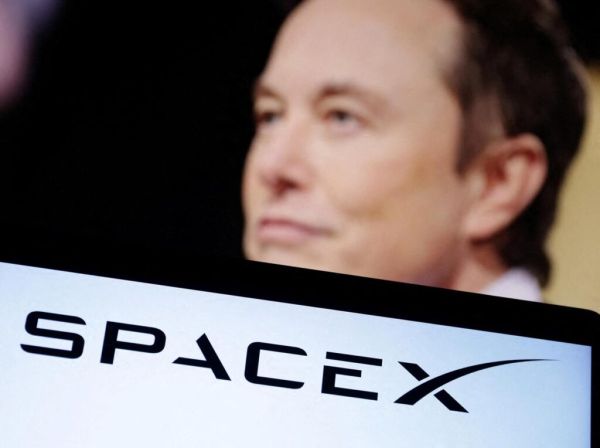
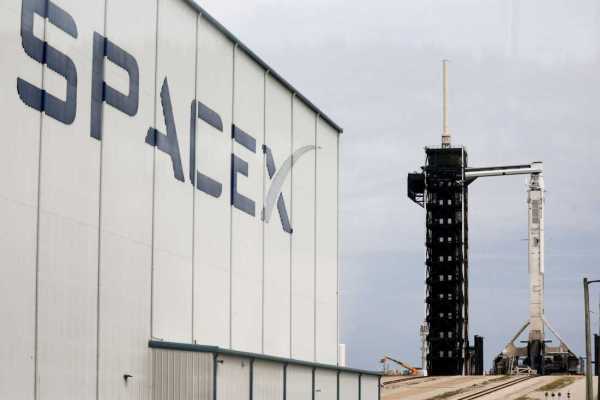
As the world waits for what could become one of the biggest IPOs in corporate history, SpaceX is drawing attention not just for rockets, satellites, or Mars ambitions — but for the extraordinary amount of power being concentrated in the hands of its founder, Elon Musk.

The aerospace giant, reportedly valued at more than $1.25 trillion, is preparing for a potential public listing that could arrive as soon as next month. But while investors may be excited about getting a piece of the company behind Starlink and reusable rockets, governance experts are sounding alarm bells over a corporate structure they say heavily favors Musk over everyone else.

Credits: The Hindu

Musk’s New Stock Package Is Raising Eyebrows

According to reports, SpaceX granted Musk a massive compensation package earlier this year consisting of 1.3 billion restricted shares tied to ambitious long-term goals. These targets reportedly include building a self-sustaining Mars colony with one million inhabitants and deploying advanced data centers into space.

The unusual part? Musk can already vote those shares even though the targets have not been achieved.

Corporate governance experts say this is virtually unheard of in public markets. Normally, restricted stock tied to performance milestones only carries voting rights after those milestones are met. In SpaceX’s case, however, Musk appears to have secured influence before delivering results.

Legal scholars quoted in reports described the arrangement as an unprecedented workaround of traditional corporate governance norms. Critics argue it effectively gives Musk additional power without requiring accountability first.

A Governance Structure Built Around One Person

The concerns go beyond compensation.

SpaceX’s IPO filings reportedly reveal several governance policies that sharply differ from what investors usually expect from large public companies.

Among the most controversial provisions:

  • The company does not intend to maintain a majority-independent board
  • Executive pay decisions will not rely on an independent compensation committee
  • Shareholder disputes under federal securities laws would be forced into arbitration instead of public courts

To governance experts, these measures create a protective shield around Musk and reduce the ability of shareholders to challenge leadership decisions.

Some analysts argue the structure resembles a founder-controlled private company more than a traditional publicly traded corporation. Critics say it could significantly weaken oversight at a time when investor protections are supposed to matter most.

Musk Already Controls the Company

Even before the new stock package, Musk already held overwhelming influence over SpaceX.

The company reportedly uses a dual-class share structure that gives Musk special Class B shares carrying 10 votes each, while ordinary investors receive Class A shares with only one vote per share.

As a result, Musk is said to control roughly 85% of the company’s voting power.

That level of control far exceeds what many other powerful tech founders possess. For comparison, Meta CEO Mark Zuckerberg controls around 61% of voting power at Meta Platforms — already considered one of the most founder-dominated governance structures in Silicon Valley.

SpaceX’s own prospectus reportedly acknowledges Musk’s dominance directly, stating that he effectively controls shareholder decisions, director elections, and the broader direction of the company.

In practical terms, this means investors buying into the IPO may have little ability to influence company strategy, leadership, or governance policies.

Arbitration Clause Sparks Investor Backlash

One provision causing particular concern among institutional investors is SpaceX’s reported requirement that shareholder disputes be resolved through mandatory arbitration rather than in court.

Public pension officials in New York and California have reportedly criticized the move, arguing that it weakens investor protections and limits accountability.

Critics say arbitration makes it harder for shareholders to pursue class-action lawsuits, which are often used when large groups of investors believe they have been harmed by corporate misconduct.

Investor advocates also noted that no major US company has previously entered an IPO with such a sweeping arbitration requirement tied to federal securities disputes.

The Tesla Comparison

Interestingly, even Tesla — another Musk-led company often criticized for governance issues — appears more restrictive in certain areas.

Tesla’s compensation arrangements reportedly prevent Musk from voting shares tied to performance milestones until those milestones are actually achieved.

At SpaceX, by contrast, Musk can already exercise voting power tied to future goals that remain far from reality.

That distinction has become central to the criticism now surrounding the company’s IPO plans.

Elon Musk's SpaceX IPO plans reveal blockbuster spending : NPR

Credits: NPR

Investors Face a Big Decision

There is little doubt that SpaceX remains one of the most admired and influential companies in the world. Its achievements in reusable rockets, satellite internet, and commercial space exploration have reshaped the aerospace industry.

But as the company edges closer to public markets, investors may have to decide whether belief in Musk’s vision outweighs concerns about accountability and corporate oversight.

For some, SpaceX represents the future of technology and human exploration. For others, its governance structure is a warning sign that public shareholders may simply be along for the ride — with very little control over where the rocket goes next.

The post SpaceX’s IPO Plans Raise Red Flags Over Elon Musk’s Expanding Control appeared first on Read.


READ NEXT
Cancel OK