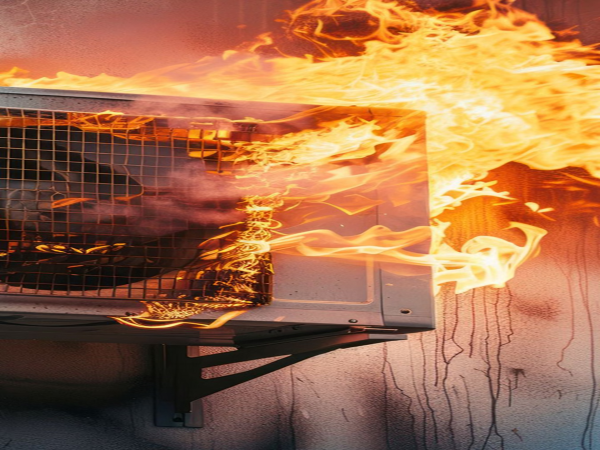
Causes of AC Compressor Explosions: With the onset of scorching summer heat, alarming reports of AC explosions and fires are emerging from across the country. Recently, in South Delhi's upscale Hauz Khas locality, a fire triggered by an AC blast resulted in the tragic death of Dhanendra Kumar Garg (80)—a former Executive Director at the World Bank and a retired IAS officer—while his son sustained severe burn injuries. Before this, in Vivek Vihar, more than five members of a single family also fell victim to an AC explosion. These incidents have instilled fear in the minds of the general public. While most people are now apprehensive about using their ACs, enduring the summer heat without one has become nearly impossible. Let us explore the factors that contribute to these AC-related incidents.
Why are AC Blast Incidents on the Rise?
As temperatures soar, the operational load on air conditioners increases manifold. Nowadays, people tend to keep their ACs running continuously; coupled with poor maintenance and improper installation, this causes the system to overheat. If issues such as gas leakage, electrical sparks, or a sudden surge in pressure occur during this time, it can trigger an explosion within the AC unit.
The recurring incidents reported in major metropolitan areas—such as Delhi, Noida, Ghaziabad, and Mumbai—serve as a stark reminder that taking AC safety lightly can now prove to be extremely dangerous.
Is the New R-32 Gas the Cause of These Explosions?
Nowadays, most new inverter AC models utilize R-32 gas. Previously, refrigerants such as R-22 and R-410 were used, which are considered to be less flammable. While R-32 is considered more environmentally friendly and offers superior cooling efficiency, it is classified as a mildly flammable gas. However, experts have not identified it as the primary cause behind AC explosions.
Some Causes of AC Explosions:
1. Gas Leakage and Electrical Sparks
If a leak develops in the AC's piping and flammable gas accumulates in the vicinity of the unit, even a minor electrical spark can trigger a fire or an explosion. Moreover, in the event of a short circuit, this risk escalates manifold.
2. Improper Servicing: The Biggest Hazard
Experts believe that the primary cause of AC blasts is substandard and improper servicing. Many mechanics refill the refrigerant gas without performing the necessary vacuuming procedure. This leaves trapped air and moisture inside the pipes. When high-pressure gas is subsequently injected, it places excessive strain on the compressor, thereby significantly increasing the risk of an explosion. Since regular AC servicing is essential, it is strongly advised to have your unit serviced by an experienced professional and to ensure it is done on a timely basis.
3. Weak Copper Pipes and Substandard Parts
R-32 refrigerant gas operates under high pressure. If the pipes used in the AC unit are thin or of poor quality, they may be unable to withstand this pressure. This increases the likelihood of gas leakage and compressor failure.
4. Overheating and Poor Ventilation
In regions like Delhi-NCR, temperatures are currently soaring past the 45-degree mark. If the outdoor unit is installed in an enclosed space or exposed to direct sunlight without adequate ventilation, the compressor can overheat to dangerous levels. This significantly heightens the risk of fire or explosion. Conversely, it is also observed that some users position their AC units in completely open spaces—leaving them directly exposed to harsh sunlight—which can eventually lead to an explosion.
Is the Manufacturer Solely to Blame?
The manufacturer is not responsible in every instance. Often, user negligence plays a major role in these incidents. Faulty wiring, the use of cheap MCBs, thin-gauge wires, unauthorized local gas refills, and operating the AC for extended periods without any servicing all contribute to increased risk. However, purchasing cheap, substandard AC units or replacement parts can also be a root cause of accidents. Therefore, it is considered crucial to always opt for a reputable and trustworthy brand.
How to Prevent AC Blasts?
Always Purchase a High-Quality AC Unit
Instead of buying the cheapest option available, choose a reliable and trusted brand. Models equipped with advanced safety features are generally considered to be safer. When purchasing an AC, always make sure to check for its BEE (Bureau of Energy Efficiency) rating. Install the Outdoor Unit in the Right Location
Install the outdoor unit in an open and well-ventilated area so that hot air can dissipate easily. Additionally, if your AC unit is situated in a completely exposed area, consider installing a tin shed over it or mounting it in a balcony rather than on the rooftop.
Avoid Running the AC Continuously for Many Hours
Running the unit continuously for extended periods places excessive strain on the system. It is advisable to give the AC periodic breaks.
Get Servicing Done Only by an Authorized Technician
When getting the refrigerant (gas) refilled, ensure that the technician is utilizing a vacuum pump. Improper gas refilling...
Disclaimer: This content has been sourced and edited from Amar Ujala. While we have made modifications for clarity and presentation, the original content belongs to its respective authors and website. We do not claim ownership of the content.
-
The 3-5-7 Rule Can Protect You from Losses in the Stock Market: Discover This Smart Trading Formula..

-
Indian Banknotes Will Now Be Made of Plastic, Not Paper! RBI May Soon Launch a New Pilot Project..

-
Watch: Shubman Gill's Father Celebrates GT Captain's Century In Sidhu Moosewala Style

-
UP Power Bills To Rise 10% From June As UPPCL Imposes Fresh Fuel Surcharge
-
ABP India @ 2047 Conclave: Imtiaz Ali To Share Insights On India's Storytelling Legacy