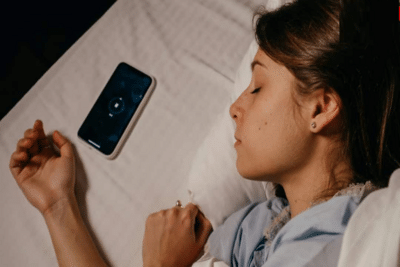
Technology and Mental Health: Constantly bending over to look at your mobile phone is leading to increased neck pain, back pain, and headaches. Dry eyes, blurred vision, and light-related problems are also common.

What is digital detox, and why is it important?
Side Effects of Excessive Screen Time: In today's world, mobile phones, laptops, and social media have become such a part of our lives that even spending a few hours without a screen is becoming increasingly difficult. The first thing we look at in the morning is our phone, and the last thing we see before bed is our screen. But doctors and researchers are increasingly warning that if a "digital detox" isn't recognized in time, this habit can gradually lead to illness, both physically and mentally.
What does digital detox mean?
A digital detox means taking a break from mobile phones, social media, laptops, and other digital devices for a period of time to relieve the mind and body from the constant digital stress. Experts at Aspenvalleyhealth believe this isn't just a new trend, but a vital step for mental and physical health.
Is this increasing the problem?
According to doctors, constant screen time is leading to sleep problems, stress, headaches, eye irritation, and irritability. The habit of using the phone late into the night doesn't allow the mind to rest. Constantly viewing others' "perfect lives" on social media increases the feeling of comparison, which affects both self-confidence and mental peace. Research has also found that the habit of constantly checking the phone weakens the brain's ability to concentrate. Many people start looking at their mobile phones repeatedly without any reason. Even when the phone is not nearby, they start feeling restless, anxious, and stressed. Experts consider this an early sign of digital dependence.
What are the disadvantages of constantly looking at the screen?
Prolonged screen time impacts not only the mind but also the body. "Tech neck," or constantly bending over to look at a mobile phone, is leading to increasing neck pain, back pain, and headaches. Dry eyes, blurred vision, and light-related problems are also common. Doctors say that even younger people are now presenting to hospitals with problems previously seen in older adults. The biggest impact is on relationships. People living in the same household are often busy with their mobile phones for hours, but their interactions are dwindling. Instead of spending time with family, people are more active on social media. Gradually, silence, distance, and tension begin to increase within the home. This is why experts warn that if digital habits are not controlled, the home environment can also cause mental stress.
How can we fix this?
However, the comforting news is that small habits can make a big difference. Experts recommend staying away from your phone for at least an hour after waking up, avoiding mobile phone use during meals, and turning off screens two hours before bed. Taking a digital break once a week can also provide relief to the mind. Research has also shown that when people spend some time with nature, family, and real conversations, stress is reduced, sleep is improved, and the mind feels more calm.
-
Karnataka leaders hail RCB’s back-to-back IPL glory; DK Shivakumar, Siddaramaia

-
RCB IPL victory celebrations turn chaotic in Kurnool, bus damaged

-
RCB’s IPL triumph sparks statewide celebrations, police forced to intervene

-
US strikes Iranian sites as Kuwait hit by drone, missile fire

-
Rashmika Mandanna, Vijay Deverakonda paint Japan red with fun-filled vacay