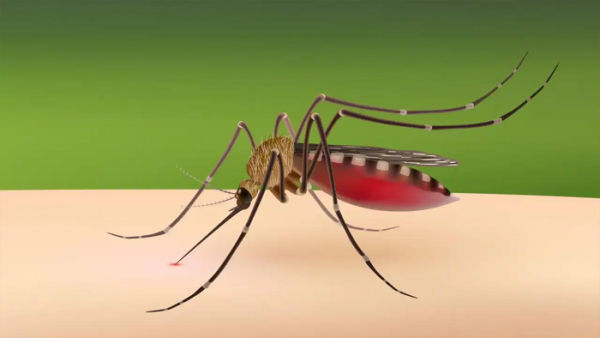
Desk: Whenever it comes to mosquitoes, everyone talks about ways to avoid them or kill them. Every year many people struggle with diseases caused by mosquitoes, which is why efforts are made to reduce their numbers through pesticides. Now Google-backed life sciences company Verily is going to do something which is surprising, in fact it is planning a large-scale mosquito control project in the US, under which the company can release 64 million (about 6.4 crore) male mosquitoes in parts of Florida and California in the next two years.
It may sound strange but this is part of Verily’s debug project. To reduce the population of disease-causing mosquitoes, the company will use biological methods instead of pesticides or genetic modification. Details shared in the filing of the US Environmental Protection Agency reveal that the company wants permission to release 16 million (about 1.6 crore) male mosquitoes in every state every year. The application is currently being reviewed by the US Environmental Protection Agency. Not only this, the proposal has also been opened for public comments.
-
Read this also Who will beat Abhishek Banerjee? The person arrested by the police has a link with the TMC MLA.
The mosquitoes being released are male Aedes Aegypti mosquitoes which are infected with a natural bacteria called Wolbachia. These male mosquitoes do not bite humans, which means that the number of bites by these mosquitoes to people is not expected to increase.
When male mosquitoes infected with Wolbachia meet wild female mosquitoes, the eggs are unable to hatch. Over time, releasing these can reduce the number of mosquitoes in the targeted area. This method is specifically designed to target Aedes Aegypti, a species of mosquito associated with diseases such as dengue, Zika, chikungunya and yellow fever.
This method relies on Wolbachia bacteria, which is already naturally present in many insect species. Efforts to control mosquito numbers in this way have been tested in many countries for years, including a pilot program in the US. The Florida Keys Mosquito Control District has also made a similar effort.
-
World’s Largest Curd Plant Coming To Kolkata: Why Amul Is Betting Big On Bengal

-
CJP Founder Set To Return To India, Calls Students To Join Delhi Protest
-
Norway Chess 2026, Round 6: Tough Day For Indian Stars As Norway Chess Title Race Intensifies

-
'Poop-Covered Seats, Bad Audio': Ilaiyaraaja's Chennai Concert Attendees Slam Mismanagement

-
'Better Than Chunnari Chunnari 2.0': Netizens Praise Akshay Kumar & Disha Patani's Uncha Lamba Kad Recreated Track, Call It 'Banger'