The ongoing conflicts around the globe are starting to affect everyday life, particularly in our kitchens. Initially, the price of gas cylinders surged, and now the escalating costs of cooking oil are straining household finances. In this context, it becomes crucial to find simple yet effective ways to create tasty and nutritious meals while using less oil, thus cutting costs and promoting better health.
Government Initiatives to Curb Oil Consumption
Recently, the Prime Minister urged citizens to lower their cooking oil usage, highlighting its importance for both personal health and national welfare. India relies heavily on imported cooking oil, which incurs significant foreign currency expenses annually.
Health Benefits of Reducing Oil Intake
By cutting down on oil consumption during these challenging times, individuals can contribute to national savings while enhancing public health. Excessive oil in meals can lead to various health issues, including obesity, hypertension, diabetes, and heart disease. Therefore, implementing a few straightforward changes in cooking habits can be beneficial. Here are some effective strategies for preparing delicious meals with minimal oil.
Effective Cooking Techniques
**Utilize Non-Stick Cookware**
One of the simplest ways to reduce oil usage is by using non-stick pans and kadhai (deep cooking vessels). Traditional cookware often requires more oil to prevent sticking, while non-stick options allow for cooking with minimal oil. The market now offers a variety of modern kitchen tools that can help cut oil consumption significantly, with non-stick pans being particularly effective.
**Measure Your Oil**
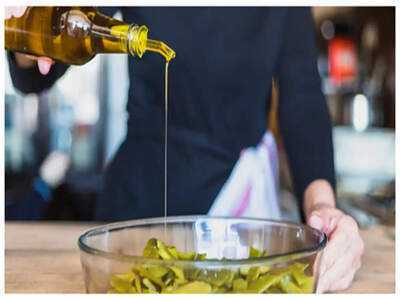
Many people tend to pour oil directly from the bottle without measuring, leading to excessive use. Instead, it's advisable to use a spoon or measuring cup to control the amount of oil based on the dish being prepared. Setting a collective limit on oil consumption within the family can also help manage overall usage, making it easier to adapt to a lower-oil diet.
**Enhance Flavor with Spices**
Some individuals believe that more oil equals better flavor, but this is a misconception. The true essence of a dish comes from spices, the right mix of vegetables, and cooking techniques—not from an abundance of oil. By incorporating ingredients like ginger, garlic, coriander, mint, and lemon, you can enhance the taste of your meals while reducing oil content.
**Choose Steamed or Grilled Options**
Fried foods are a staple in many Indian households, but they are often high in unhealthy oils. Instead, consider steaming, boiling, or grilling your meals. Options like idli, dhokla, grilled paneer, roasted vegetables, and boiled lentils are not only healthier but also delicious, helping to prevent excess body fat and improve digestion.
The Health Advantages of a Low-Oil Diet
Reducing oil intake and fried foods contributes to a healthier body, lowering the risks of obesity, hypertension, heart disease, and high cholesterol. Low-oil meals are easier to digest and can alleviate stomach issues. They help maintain energy levels and promote healthy skin. While oil is necessary for providing essential nutrients, moderation is key, as excessive consumption can be detrimental. Thus, embracing a simple, nutritious, and low-oil diet is highly advantageous.
Conclusion
PC Social Media
-
Police denies permission for Pawan Kalyan’s Hyderabad sabha

-
Indiramma houses: No tribal should dwell in a hut, says CM Revanth at Asifabad tribal hamlet

-
Essential Summer Tiffin Ideas for Kids: Keeping Them Healthy and Energized
-
How to Transfer a Sukanya Samriddhi Account to Another Bank: Step-by-Step Guide

-
Annapurna Scheme: ₹3,000 Assistance to Be Credited from June 3; Check Eligibility and Application Process