Can Chronic Stress Increase Prolactin? Here's What to Know
Pregatips | June 1, 2026 9:39 PM CST
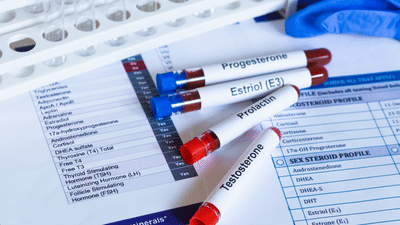
Stress is mostly linked to mental and emotional problems, but it affects your body deeply. Your hormonal balance may be disturbed if your stress continues for weeks or months. Prolonged stress can affect your prolactin levels, as it is sensitive to it.
Prolactin is associated with breastfeeding, but it is necessary for various other vital functions in your body. Higher prolactin levels can affect your menstrual cycle, fertility, sexual health and emotional well-being. You can address stress seriously when you understand the connection between the two.
What Is Prolactin and Why Is It Important?
Prolactin is a hormone produced by the pituitary gland, a small but powerful gland located at the base of your brain. Prolactin stimulates milk production after childbirth, but it is also responsible for immune function, metabolism, and reproductive health in both individuals and men.
Levels below 20–25 ng/mL are considered normal in those who are not pregnant. But in some cases, prolactin levels may remain higher outside pregnancy or breastfeeding. This condition is called hyperprolactinemia.
How Does Stress Affect Your Hormonal System?
Stress activates the hypothalamic-pituitary-adrenal (HPA) axis. It releases stress hormones like cortisol and adrenaline to help you cope with challenges.
Long-term stress keeps this system active constantly. It disrupts communication between the brain and hormone-producing glands over time. This also affects the function of the pituitary gland that controls prolactin release.
Why Does Long-Term Stress Raise Prolactin Levels?
Chronic stress raises prolactin in many ways.
What Happens When Prolactin Stays High for Too Long?
High prolactin levels can affect your body in multiple ways.

How Can Stress-Related Prolactin Elevation Be Missed?Stress can slowly raise your prolactin levels. Its symptoms overlap with stress complaints, so it is easy to dismiss them as lifestyle problems.
Doctors may test prolactin only when reproductive symptoms appear. Treatment may focus on relieving symptoms, but it may not address the underlying cause.
Who Is More Vulnerable to Chronic Stress and Prolactin Imbalance?Your daily life circumstances can also make you vulnerable to stress.
How Is Stress-Related High Prolactin Diagnosed?
A blood test is done to check your prolactin levels. Doctors may repeat the test before confirming anything because prolactin can rise temporarily due to acute stress.
Additional tests may be done to rule out thyroid disorders or pituitary tumours. Stress becomes an important factor to consider when no physical cause is found.
Prolactin levels improve when you address chronic stress.
What Lifestyle Changes Support Hormonal Recovery With Stress?
Consistent changes are essential to make a noticeable difference.
When Should You See a Doctor For Long-Term Stress?
Stress can affect many areas of your life. Relationships, self-confidence, and overall mental health are the first to be affected. You may feel tired and less like yourself, which can be difficult to explain to others. It can make you feel alone.
However, support from your partner can help you get through it. Talking about your feelings reduces emotional burden and prevents misunderstandings.
What Should You Do Next? A Practical Checklist
Prolonged stress can affect your brain chemistry and raise prolactin levels. It can affect your mood, health and reproductive functions over time if you continue to ignore it. You can make informed decisions through medical guidance and lifestyle changes. It will help you feel in control of your health again.
You’re not alone in your journey when trying to conceive. Join our supportive community to connect with others, share experiences, and find encouragement every step of the way.
FAQs on Can Chronic Stress Increase Prolactin? Here’s What to KnowCan stress alone cause high prolactin without other medical conditions?
Chronic stress can raise prolactin levels even when scans and other tests are normal.
How long does it take for prolactin levels to normalise after stress reduction?
Improvement may take weeks to months, depending on the individual's response and the duration of the stress.
Can untreated high prolactin affect long-term health?
Prolonged higher levels of stress may impact your fertility, bone health, and emotional well-being if you do not address them.
Prolactin is associated with breastfeeding, but it is necessary for various other vital functions in your body. Higher prolactin levels can affect your menstrual cycle, fertility, sexual health and emotional well-being. You can address stress seriously when you understand the connection between the two.
What Is Prolactin and Why Is It Important?
Prolactin is a hormone produced by the pituitary gland, a small but powerful gland located at the base of your brain. Prolactin stimulates milk production after childbirth, but it is also responsible for immune function, metabolism, and reproductive health in both individuals and men.
Levels below 20–25 ng/mL are considered normal in those who are not pregnant. But in some cases, prolactin levels may remain higher outside pregnancy or breastfeeding. This condition is called hyperprolactinemia.
How Does Stress Affect Your Hormonal System?
Stress activates the hypothalamic-pituitary-adrenal (HPA) axis. It releases stress hormones like cortisol and adrenaline to help you cope with challenges.
Long-term stress keeps this system active constantly. It disrupts communication between the brain and hormone-producing glands over time. This also affects the function of the pituitary gland that controls prolactin release.
Why Does Long-Term Stress Raise Prolactin Levels?
Chronic stress raises prolactin in many ways.
- Neurochemical changes in the brain: Dopamine acts as a natural brake on prolactin release under normal conditions. But long-term stress reduces it in the brain. As a result, prolactin remains high in your body.
- Persistent cortisol exposure: Chronic stress leads to high cortisol levels, which interfere with hormonal signals. So, your brain releases more prolactin over time.
- Increased pituitary sensitivity: Prolonged stress can make the pituitary gland more responsive to stress signals. It leads to exaggerated prolactin release when stress levels fluctuate.
What Happens When Prolactin Stays High for Too Long?
High prolactin levels can affect your body in multiple ways.
- Reproductive and menstrual changes: High prolactin suppresses oestrogen and testosterone in women and men, respectively. It may cause irregular periods, missed cycles, or infertility in women. Men may experience reduced libido, erectile difficulties, and low testosterone levels.
- Breast-related symptoms: You may experience breast tenderness or unexpected milk discharge without pregnancy or breastfeeding.
- Energy and mood disturbances: High prolactin can make you feel fatigued, have low motivation, anxiety, and depressive symptoms. They can also overlap with stress symptoms, making the condition harder to recognise.
How Can Stress-Related Prolactin Elevation Be Missed?Stress can slowly raise your prolactin levels. Its symptoms overlap with stress complaints, so it is easy to dismiss them as lifestyle problems.
Doctors may test prolactin only when reproductive symptoms appear. Treatment may focus on relieving symptoms, but it may not address the underlying cause.
Who Is More Vulnerable to Chronic Stress and Prolactin Imbalance?Your daily life circumstances can also make you vulnerable to stress.
- High-pressure work or caregiving roles: Long working hours, job insecurity, or caring for family members can increase emotional stress.
- Sleep deprivation: Chronic lack of sleep increases stress hormone activity and disrupts prolactin regulation.
- Emotional trauma or unresolved anxiety: The risk of hormonal imbalance is higher when you do not manage stress.
How Is Stress-Related High Prolactin Diagnosed?
A blood test is done to check your prolactin levels. Doctors may repeat the test before confirming anything because prolactin can rise temporarily due to acute stress.
Additional tests may be done to rule out thyroid disorders or pituitary tumours. Stress becomes an important factor to consider when no physical cause is found.
Prolactin levels improve when you address chronic stress.
- Stress management strategies: Regular relaxation practises such as breathing exercises, mindfulness, and gentle physical activity help calm the HPA axis.
- Sleep restoration: Improving your sleep quality supports hormonal balance and dopamine regulation.
- Emotional support: Talking to a counsellor, therapist, or your loved ones can reduce psychological stress that may be driving hormonal disruption.
What Lifestyle Changes Support Hormonal Recovery With Stress?
Consistent changes are essential to make a noticeable difference.
- Nutrition and hydration: Balanced meals and increasing fluid intake can support brain chemistry and make you resilient to stress.
- Physical movement: Gentle exercises improve dopamine levels and reduce cortisol when you avoid overexertion.
- Reducing stimulants: Stress response increases in your body due to excessive caffeine and nicotine.
When Should You See a Doctor For Long-Term Stress?
- Persistent menstrual irregularities
- Fertility difficulties
- Unexplained breast discharge
- Low libido or sexual dysfunction
- Chronic fatigue with emotional distress
Stress can affect many areas of your life. Relationships, self-confidence, and overall mental health are the first to be affected. You may feel tired and less like yourself, which can be difficult to explain to others. It can make you feel alone.
However, support from your partner can help you get through it. Talking about your feelings reduces emotional burden and prevents misunderstandings.
What Should You Do Next? A Practical Checklist
- Regularly track stress patterns and physical or emotional symptoms
- Get quality sleep and daily periods of rest
- Practise regular stress-reduction techniques such as breathing exercises or gentle movement
- Seek medical help if symptoms get worse
- Get emotional support from your loved ones
- Avoid self-blame for hormonal changes caused by prolonged stress
Prolonged stress can affect your brain chemistry and raise prolactin levels. It can affect your mood, health and reproductive functions over time if you continue to ignore it. You can make informed decisions through medical guidance and lifestyle changes. It will help you feel in control of your health again.
You’re not alone in your journey when trying to conceive. Join our supportive community to connect with others, share experiences, and find encouragement every step of the way.
FAQs on Can Chronic Stress Increase Prolactin? Here’s What to Know
Chronic stress can raise prolactin levels even when scans and other tests are normal.
Improvement may take weeks to months, depending on the individual's response and the duration of the stress.
Prolonged higher levels of stress may impact your fertility, bone health, and emotional well-being if you do not address them.
READ NEXT
-
Police denies permission for Pawan Kalyan’s Hyderabad sabha

-
Indiramma houses: No tribal should dwell in a hut, says CM Revanth at Asifabad tribal hamlet

-
Essential Summer Tiffin Ideas for Kids: Keeping Them Healthy and Energized

-
How to Transfer a Sukanya Samriddhi Account to Another Bank: Step-by-Step Guide

-
Annapurna Scheme: ₹3,000 Assistance to Be Credited from June 3; Check Eligibility and Application Process