Why Google may release 32M lab-bred mosquitoes in Florida, California
01 Jun 2026
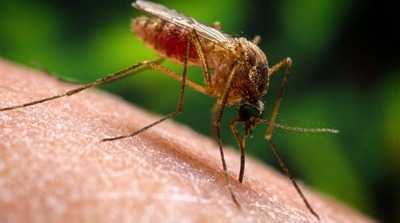
Google has sought federal approval to release 32 million lab-bred male mosquitoes in Florida and California over the next two years.
The tech giant's proposal is part of its Debug project, which aims to reduce disease transmission by these insects worldwide using technology like artificial intelligence (AI).
The US Environmental Protection Agency (EPA) is currently reviewing Google's plan and has invited public comments until June 5.
Debug project uses Wolbachia bacteria to reduce disease transmission
Project details
The Debug project, launched by Alphabet's life sciences subsidiary Verily over a decade ago, employs a special variant of the Sterile Insect Technique (SIT).
This method uses a naturally occurring bacterium called Wolbachia to reduce diseases spread by mosquitoes.
Last year, Google applied for an experimental use permit to inject mosquitoes with a specific strain of the Wolbachia pipientis bacteria.
AI, insect breeding robots used in project
Working mechanism
The infected male mosquitoes, when mated with wild females without the same strain, produce non-hatching eggs. This technique gradually reduces virus-spreading mosquito populations.
However, it has never been tried on a large enough scale to stop disease transmission.
To tackle this challenge, Google is using AI and specialized insect breeding robots as part of its Debug project.
Male mosquitoes won't bite humans
Impact assessment
If approved, Google's plan would see 16 million lab-bred and sterilized male mosquitoes released in Florida and California in the first year.
The remaining would be released during the second year of the experiment.
Notably, only female mosquitoes bite humans. So, with only male mosquitoes being released, complaints of bites are unlikely to increase significantly.
Mosquitoes can transmit deadly West Nile virus
Target species
Google's proposal targets the Culex quinquefasciatus variety of mosquito, which carries West Nile virus and St. Louis encephalitis.
The US Centers for Disease Control and Prevention (CDC) has identified West Nile virus as the leading cause of mosquito-borne diseases in America.
More than 1,300 people get severely ill from this virus every year, affecting their central nervous system.
Special mosquitoes reduced dengue cases in Singapore
Tech application
Google is expanding its research and development program in Singapore under the Debug initiative.
The focus is on using AI and automation to breed, sort, and release sterilized male mosquitoes.
A study published in The Lancet Regional Health—Western Pacific journal revealed that dengue cases dropped to their lowest levels last year since 2018, after infected mosquitoes were released in Singapore starting 2016.
-
Telangana teen girl dies by suicide, saffron groups allege ‘love jihad’

-
African proverb of the day: “Tomorrow belongs to the people who prepare for...” — what this simple saying really tells us about planning, discipline, and time

-
Tim David suspended for first match of IPL 2027 after breaching code of conduct during RCB vs GT final

-
Patanjali Mint Active Plus Capsule: Troubled by stomach problems? So this Ayurvedic medicine of Patanjali is a panacea, know its benefits.

-
Lauki Kalakand: In the summer season, make ‘Lauki Kalakand’ with your own hands, such a sweet which is also a lifesaver for health.