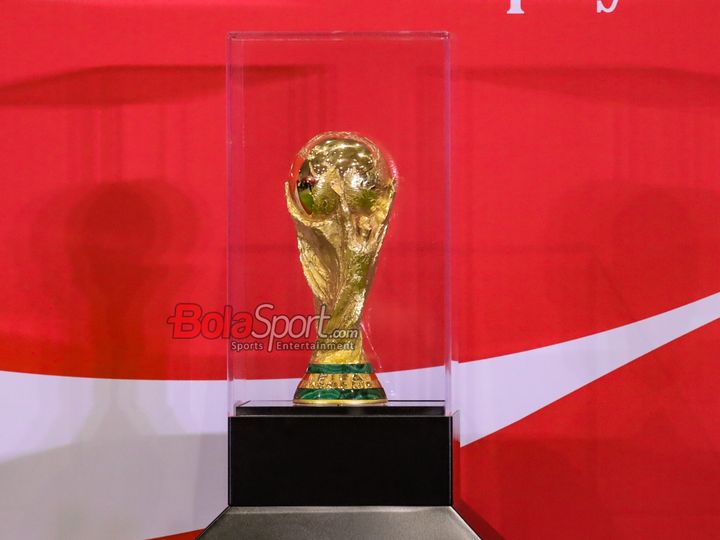
The FIFA World Cup has always served as a testing ground for football’s evolving regulations, and the 2026 edition promises to feature more rule changes than ever before.
The 2026 World Cup will kick off at Estadio Azteca on June 11 and conclude with the final at MetLife Stadium on July 19. Across these matches and the 102 fixtures in between, 1,248 players will operate under a newly revised set of rules as part of updates to the Laws of the Game.
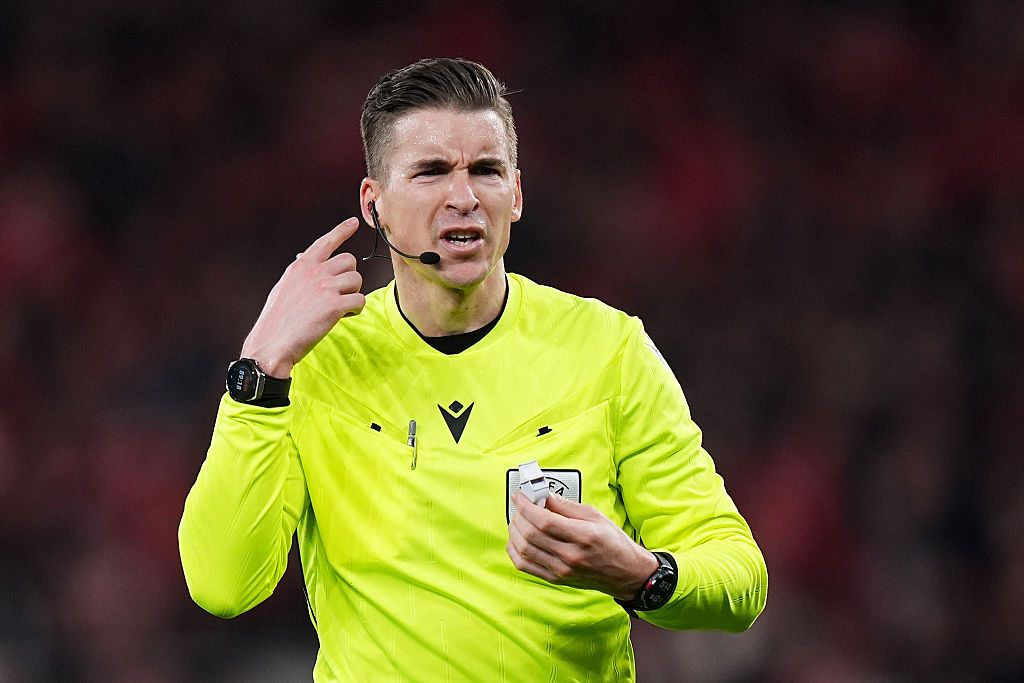
To manage the tournament, 52 referees, 88 assistant referees, and 30 video match officials will oversee proceedings. This will be the largest World Cup ever staged, and the officials will have the additional challenge of adapting to a series of new timekeeping and match management measures—perhaps requiring several watches to stay on track.
Since this is 2026, many of the changes focus on expanding the role of VAR, giving it even greater influence in areas where supporters have often debated its necessity.
However, not every update is about video technology. Here’s a closer look at all the new rules that will come into play at the 2026 World Cup.
VAR can now overturn incorrectly awarded corner kicks.
Previously, VAR intervention was limited to goals and the build-up phase immediately preceding them. At the 2026 World Cup, VAR will also have the authority to review and correct errors involving corner kicks and goal kicks.
This intervention will only occur in cases of clear and obvious mistakes and must not unnecessarily delay the restart of play—though scepticism remains about how smoothly this will be implemented.
VAR can now review second yellow cards.
In earlier tournaments, VAR could only review incidents involving potential straight red cards. Players sent off after receiving two yellow cards had no appeal mechanism through VAR. That will now change. While VAR still cannot recommend yellow cards in general, it can now initiate a review if a player receives a second yellow card, potentially overturning cases of mistaken identity or incorrect decisions.
VAR can intervene before a set piece is taken.
In a move aimed at curbing misconduct during dead-ball situations such as corner kicks, VAR can now recommend disciplinary actions before the ball is in play. Previously, VAR could only intervene in cases of violent conduct during such moments. Under the new rule, its powers have been broadened to cover all forms of misconduct, though penalties cannot be awarded before play resumes.
Assistant referees will be alerted to offsides in real-time.
For the first time, the 2026 World Cup will feature new semi-automated offside technology designed to resolve the issue of delayed offside flags. Assistant referees will receive immediate audio signals when an offside offence of 10 centimetres or more is detected. This will allow them to raise the flag promptly rather than waiting for the play to conclude.
The issue of time-wasting remains a major concern in modern football, and the game’s lawmakers have now codified measures to address it.
One such rule was already tested during a 2026 World Cup warm-up match between Japan and Iceland.
Substituted players must exit the pitch within 10 seconds.
If a player fails to leave the field within 10 seconds, their replacement will be prevented from entering for one minute. During the Japan vs Iceland friendly, Iceland fell foul of this rule, and Japan managed to score the only goal of the match while the substitute was held back.
Goal kicks and throw-ins must be taken within five seconds.
With around 30 goal kicks and throw-ins in an average game, this rule aims to prevent unnecessary delays. Failing to take these restarts quickly enough could result in loss of possession. It remains to be seen how consistently referees will enforce this across the expected 3,000-plus restarts during the tournament.
Injured goalkeepers can no longer use stoppages for tactical discussions.
For years, goalkeepers have used convenient ‘injuries’ to allow their teammates to receive tactical instructions from the technical area. To curb this practice, tactical debriefs during goalkeeper injuries are now banned. Teams will still be able to use such moments to slow the game, but not to exchange detailed tactical plans.
Additionally, with some exceptions—goalkeepers, penalty takers, and players suffering head injuries or concussions—any player receiving on-field medical treatment must now spend a mandatory one-minute period on the sidelines before returning to play. The only exception is when the foul results in a yellow or red card for the opponent, in which case the injured player can remain on the field.
Players covering their mouths during confrontations will be sent off.
Covering one’s mouth during heated exchanges has long been a habit among players, but recent incidents have prompted stricter action. In a Champions League clash between Real Madrid’s Vinicius Jr and Benfica’s Gianluca Prestianni, the latter was accused of using racist language—an allegation that could not be verified because he had covered his mouth. He was later punished for homophobic conduct instead.
Following FIFA President Gianni Infantino’s directive, any player who covers their mouth during verbal confrontations at the 2026 World Cup will now be shown a straight red card.
-
Carry Tiranga, Apply Sunscreen: CJP Issues Do's And Don'ts Ahead Of Protest

-
Vijay's Jana Nayagan Faces Fresh Setback As Producers Refund Distributor Advances Amid Release Uncertainty: Report

-
Bruno Fernandes' Manchester United future uncertain as CEO Omar Berrada hints at possible summer exit despite club's firm stance
-
Portugal National Team Poised as Strong Contender for 2026 World Cup Title with Star-Studded Squad

-
The Excitement of the 2026 World Cup Goes Beyond the Pitch