Authorities from New York and New Jersey have jointly launched an investigation into FIFA’s ticketing operations following allegations that the global football body engaged in unfair pricing tactics and potentially deceptive sales methods.
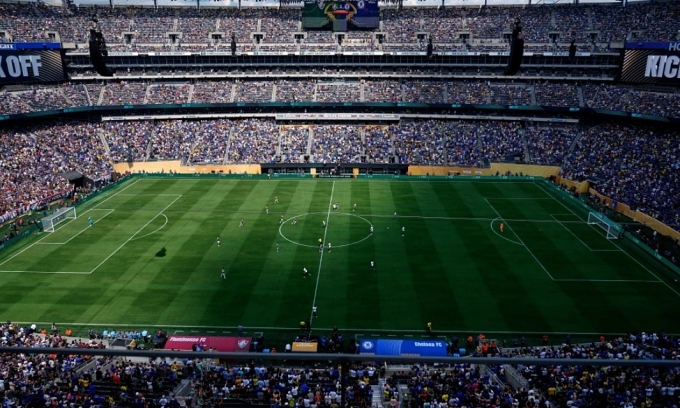
According to ESPN, New Jersey issued a subpoena to FIFA last week, demanding detailed information and initiating a formal probe into ticket pricing for matches at MetLife Stadium, which is scheduled to host the World Cup final on July 19.
On May 27, New York Attorney General Letitia James and New Jersey Attorney General Jennifer Davenport publicly announced the commencement of their coordinated inquiry.
In their statement, both officials pointed out that FIFA’s ticket prices for the 2026 World Cup appear to be significantly higher than those seen in any previous edition. The sudden price surge has raised questions about possible manipulation of ticket availability and misleading seat classifications within the tournament venues.
California authorities have also reportedly sought clarification from FIFA, raising concerns about the transparency of the seating charts used during ticket sales. Investigators across these states aim to determine whether fans were misled while purchasing tickets for the competition, which will be jointly hosted by the United States, Canada, and Mexico.
FIFA has yet to release an official statement in response to these ongoing legal inquiries.
However, FIFA President Gianni Infantino recently sparked controversy after joking that any fan who spent over $2 million on a ticket for the final might receive a hot dog and a can of Coke personally delivered by him—a remark that, according to BBC, only intensified public outrage.
Sports lawyer Alexander Rojas told The Sun that FIFA should take the matter seriously, as state attorneys general in the U.S. hold substantial authority in enforcing consumer protection laws.
Rojas explained that although FIFA functions as an international organization, it must adhere to U.S. consumer laws when conducting business and selling tickets within the country. Given that the final will take place across both New York and New Jersey jurisdictions, it becomes even harder for the governing body to avoid scrutiny.
The 2026 World Cup is expected to be the largest in history, introducing an expanded 48-team format for the first time. Organizers had earlier promoted the event as the “most accessible” World Cup ever for supporters across the globe.
Nevertheless, fans have voiced frustration over seating arrangements. Many accused FIFA of modifying seat positions between different ticket categories after sales began, leaving customers unable to secure the specific locations they initially believed they had purchased.
Consumer protection officials in New York have warned that if these claims of misleading ticket practices are verified, FIFA could be found in breach of state consumer regulations. Meanwhile, several U.S. lawmakers are calling for transparency regarding ticket pricing structures and seat allocation procedures.
Legal analysts suggest that the probe could lead to penalties for FIFA, potentially including partial refunds, financial credits, or mandatory measures to ensure transparency in future ticket sales. They added that with the tournament approaching, it would be impractical to alter seating plans, making financial restitution a more likely outcome.
Experts stress that the primary issue under examination is not FIFA’s right to set premium pricing but whether fans were misled by false or manipulated information during the purchasing process.
Given the scale of the controversy, observers believe FIFA may pursue a swift financial settlement to avoid prolonged litigation and safeguard its reputation ahead of the world’s biggest football event.
-
Have you visited this haunted city of India? The ruins are still standing today

-
Is the stomach clean in the morning? Then take the help of these simple kitchen remedies, all the dirt stuck in the intestines will come out

-
The new king of the mid-range segment? Entry of new Motorola smartphone in India with strong features… will win the hearts of users with performance!

-
Trump Plans to Attend Knicks NBA Finals Game at MSG
-
Manchester City chief executive will ‘say everything’ after financial charges verdict arrives