As the 2026 FIFA World Cup draws near, the excitement surrounding the world’s biggest football tournament seems noticeably quieter compared to previous editions.
In earlier times, communities would decorate their neighbourhoods in celebration of the grand football event, painting walls with flags of participating nations and making it a daily topic of conversation in local coffee shops and village corners.
Now, however, that enthusiasm appears to have faded. This is evident even in Malang, a region known for its strong football culture.
According to Luluk Dwi Kumalasari, M.Si, a Sociology lecturer at the University of Muhammadiyah Malang (UMM), this shift is closely linked to social transformation driven by digital technology, which has changed how people consume information and entertainment.
Luluk explained that modern society lives in a digital era where media consumption has become instant and fragmented.
“In the past, watching football was a collective activity. People would stay up late with family or friends to watch matches together. Now, most people are satisfied just knowing the final score,” she told Surya on Saturday (June 6, 2026).
She added that younger generations no longer enjoy experiencing an entire match from start to finish.
“People today prefer convenience. Instead of watching a full 90-minute match, they just check the final score or watch short highlights. The pattern of consuming information has changed,” she said.
This shift is also influenced by the rise of other digital entertainment options that appeal more to younger audiences, such as gaming, social media, and hanging out with friends.
Beyond technology, Luluk believes time zone differences also contribute to the lower excitement for the 2026 World Cup, which will be hosted in the United States, Canada, and Mexico.
Most matches are expected to take place in the early hours of the morning in Indonesia, clashing with people’s rest time amid increasingly demanding work schedules.
“Work pressure is higher now. Many people prefer to sleep and maintain their stamina for the next day’s work rather than stay up late watching matches,” she explained.
On the other hand, Luluk noted a psychological factor—collective disappointment over the performance of the national football team.
She said that Indonesia’s lack of achievements on the global stage makes some people feel less emotionally connected to the World Cup.
This sentiment grew after the Indonesian national team was eliminated in the fourth round of the 2026 World Cup Asian qualifiers, despite the public’s high hopes that Jay Idzes and his teammates could make it to the tournament.
“There may be a sense of disappointment because our national team has never reached that level. As a result, people feel more attached to competitions closer to home, such as local leagues or Southeast Asian football,” she said.
Luluk also highlighted the economic situation as another factor affecting public enthusiasm.
The decline in purchasing power due to economic pressures has shifted public focus toward daily needs rather than international sporting events.
“The rise of the dollar and economic demands also play a part. People are now more focused on meeting their living needs than following the excitement of international sports,” she stated.
Additionally, geopolitical factors are seen as influencing public interest. The hosting of the 2026 World Cup in the United States—often at the center of global political discussions—could trigger apathy among certain groups.
“Some people take global political and humanitarian issues into account, and that can affect their interest in following the World Cup,” she noted.
To revive the spirit of football among the public, Luluk believes that stronger support is needed from the government and sports authorities.
This includes giving proper recognition to outstanding athletes so that the public can see that sports achievements are truly valued.
She also emphasized that football promotion should adapt to the times by utilizing social media and digital platforms that resonate with younger generations.
“Since we live in a digital era, promotion and outreach must also be conducted through the media people use today,” she said.
“But most importantly, real achievements must be delivered so that the public has pride and a reason to feel enthusiastic again,” she concluded.
(Rifky Edgar/TribunJatimTimur.com)
-
Hair Botox: The growing craze of hair botox! Hair becomes silky and shiny, important things to know before treatment

-
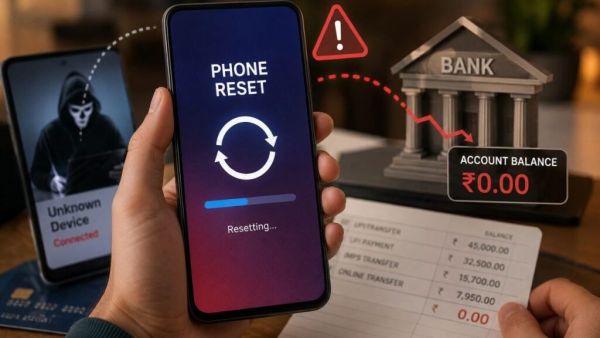
New ‘Auto-Reset’ Cyber Fraud Alert: Phone suddenly resets, bank account emptied within minutes
-
As soon as the phone is reset, the account is empty! One click and access to the device in the hands of cyber criminals… Scam is happening like this

-
One son reached the airport to leave, the other pilot son flew the flight, mother’s proud moment went viral

-
French Open 2026: Alexander Zverev Overcomes Demons To Claim Maiden Grand Slam Title In Five-Set Roland Garros Thriller