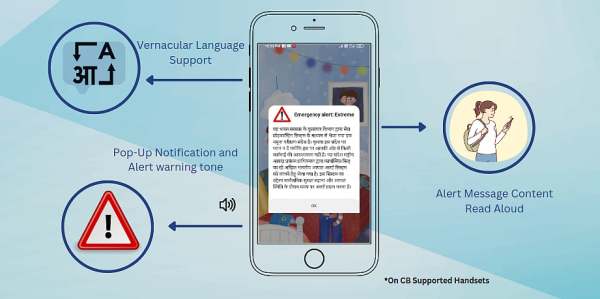
India’s Cell Broadcast-based emergency alert system is being used to send frequent weather warnings, raising concerns about “alert fatigue.” Experts warn that repeated siren-style notifications may reduce public response during real disasters. The system, built by NDMA, DoT and C-DOT, can reach millions instantly, but specialists say alerts must be better categorised by urgency.
India's emergency broadcast system is reaching millions in seconds. But experts warn that overuse could erode the very trust it depends on. In the recent times, phones have erupted with a siren alerting about thunderstorms across the country.
Across Delhi-NCR, this has become a familiar ritual. Alerts arriving during office meetings, late nights, and unremarkable afternoons when the sky outside is clear. The warnings are real, but the emergencies often are not.
The Technology Behind the Warning
The system doing the alerting is called Cell Broadcast, a technology at the core of India's SACHET disaster alert network, developed by the National Disaster Management Authority (NDMA), the Department of Telecommunications (DoT) and the Centre for Development of Telematics (C-DOT).
-
After Four Lacklustre Performances, Lionel Messi and Colombia Aim to Restore South America’s Pride at the 2026 World Cup

-
Goalkeeper Conceded by Indonesian National Team Player Sets Record for Most Saves at 2026 World Cup, Surpasses Cape Verde’s Shot-Stopper
-
Which wallpaper should you set on your laptop for career success? According to Vastu, these images are highly significant..
-
From the Indian Roller to the House Sparrow... why is the arrival of these birds considered a sign of good fortune? Find out the reason..
-
Old Clothes Donation: Do not donate such clothes even by mistake, know these rules before donating old clothes..