Former United States Men’s National Team (USMNT) coach Bob Bradley sat down with GOAL to share his thoughts on the American side’s emphatic World Cup opening victory, his enduring bond with Mohamed Salah, memories from 2010, and his motivation to return to management.
Reflecting on his long career, Bradley recalled one moment that stood out. His journey has taken him from New Jersey to the US national team, from Egypt to the Premier League—where he became the first American to manage an English top-flight club—and then to LAFC’s early days and beyond. Yet, the story he chose to share wasn’t about achievements or records but about a recent conversation with a former player who once played under him and went on to become one of football’s biggest stars.
“Today is Mo Salah’s birthday,” Bradley told GOAL on Monday. “Egypt are about to play Belgium in Seattle. I sent Mo a short message this morning, not expecting a reply. But he responded right away.”
Bradley and Salah’s paths crossed during the American’s two-year stint coaching Egypt, when Salah was an unknown winger at Al-Mokawloon. It was Bradley who handed Salah his first international cap, helping launch a career that would later see him become a global icon at Liverpool.
“When I think back on working with him and seeing everything he has achieved, it feels special knowing that we still share that understanding of what went into it,” Bradley said. “I stepped away early in his career, watched him progress, and then explode at Liverpool.”
“It’s always exciting to see players I’ve worked with succeed. There’s always that connection, and it’s great when they appreciate the time we spent together.”
Those relationships remain a driving force behind Bradley’s desire to continue coaching. He also cherishes the connections he maintains with members of the 2010 World Cup squad. The 68-year-old remains passionate about mentoring players and guiding them to reach their potential.
Bradley, who most recently managed Norwegian side Stabæk Fotball in 2024, made it clear that he is eager to return to the technical area.
“I’m motivated and ready for the next challenge,” he said. “Over the years, I’ve focused on engaging people, challenging them, leading discussions, building teams, developing players, and creating exciting, competitive football. I’ve done that for a long time, and I still believe I’m good at it. I just need to find the right project.”
Bradley spoke to GOAL as part of the 'Coaches Corner' World Cup series, featuring former USMNT coaches Gregg Berhalter, Bruce Arena, and Bradley himself. The series offers tactical analysis, insider insight, and open discussions throughout the tournament.
During the conversation, Bradley analysed the USMNT’s 4-1 win over Paraguay, discussed areas for improvement, and reflected on the possibility of facing his son, Michael Bradley—now head coach of the New York Red Bulls—in a tactical matchup.
ON THE USMNT’S WIN OVER PARAGUAY
GOAL: As someone who’s led the national team before, what were your thoughts on the USMNT’s performance against Paraguay?
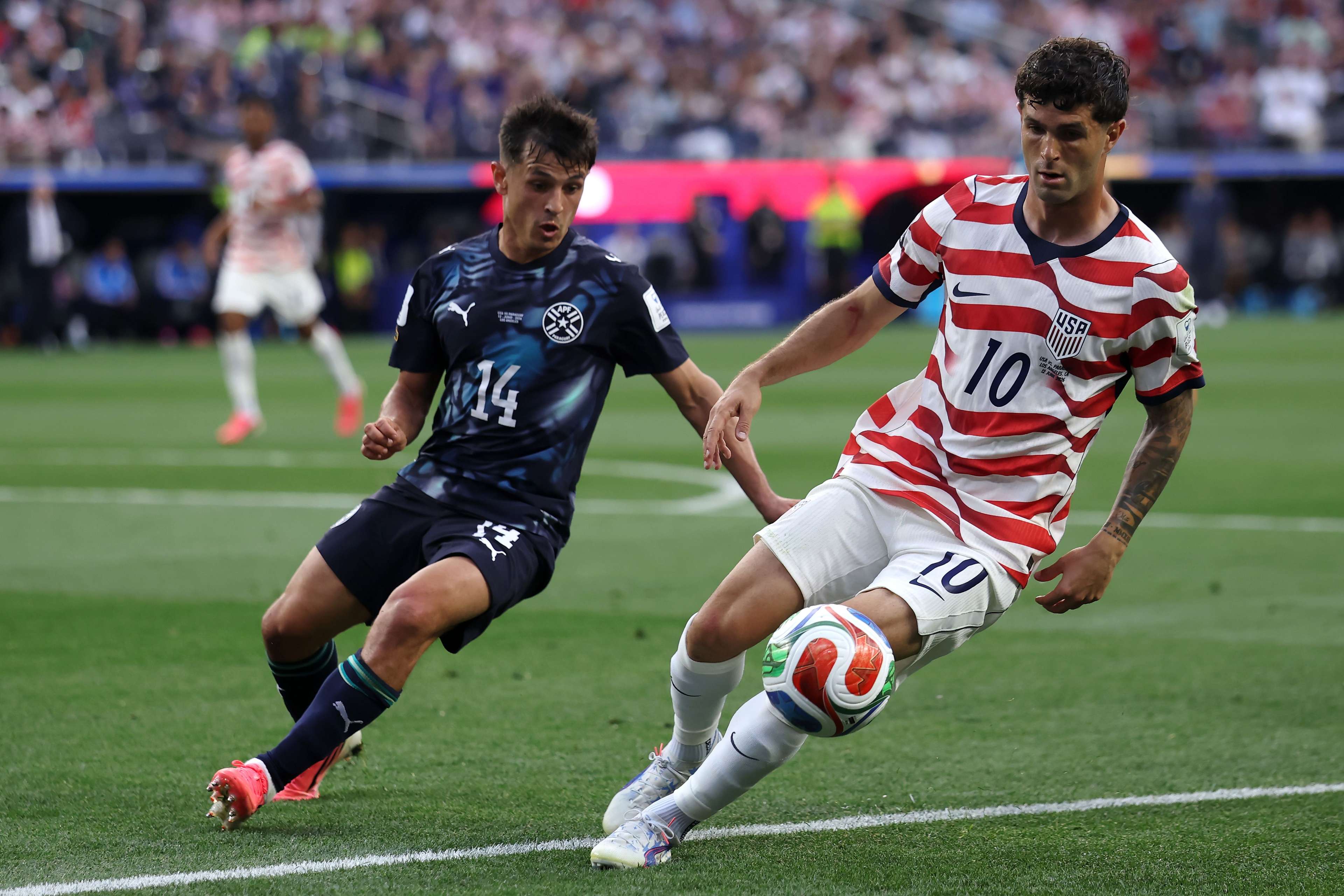
BRADLEY: I was at the match, and to put it simply, it was the perfect start to a World Cup. From Christian Pulisic’s dribbling to Weston McKennie’s energy, and Malik Tillman’s positioning feeding into Folarin Balogun, everything clicked. The coordination, timing, and speed were outstanding. It was an excellent first half.
“I’ve said before, when a team presses and our player can repeatedly take someone on and beat them, the press disappears. Paraguay couldn’t get close and eventually dropped back. We created space everywhere. That first half was pure domination.”
GOAL: Was that dominance more about the adrenaline of the home crowd or a tactical masterclass?
BRADLEY: The crowd helped, no doubt, but Mauricio Pochettino had everyone positioned perfectly. His lineup made complete sense. In midfield, McKennie thrived higher up where he could press and run. Paraguay’s centre-backs were too narrow, leaving huge gaps between them and the full-backs. They couldn’t cope with our coordinated movement. Physically, the US team is strong, fast, and powerful—it’s a great combination.
ON BALOGUN’S BRILLIANT WORLD CUP DEBUT
GOAL: Many say Balogun’s display was the best by a US striker in a World Cup game. Do you agree?
BRADLEY: I don’t get into comparisons, but I always believed he’d make a strong statement. He’s a natural finisher and started the World Cup in top form. Beyond scoring, he was key in the counterpress. The way we played—with numbers inside and quick transitions—meant we could combine well and recover possession quickly. Balogun was vital to that system.
ON AREAS TO IMPROVE
GOAL: Even after a big win, coaches usually spot areas for improvement. What should the team focus on before facing Australia?
BRADLEY: Defensive organisation remains a concern. In previous matches against Senegal and Germany, the back four sometimes lost connection or focus, unsure whether to mark a man or cover space. Paraguay didn’t exploit this, but it’s something to fix. Their goal came from a long free kick—Chris Richards gambled and got caught, Tim Weah’s recovery angle wasn’t great, and Freeman couldn’t close in time. These are details that need correcting before tougher tests like Australia, who just beat Turkey 2-0. That result will make it easier for the US staff to stress the importance of defensive discipline.
GOAL: After that performance, what’s your outlook for this team?
BRADLEY: Keep the momentum, win the group, and push as far as possible. That’s the focus.
GOAL: A safe answer, coach [laughs].
BRADLEY: Back in 2010, we felt we could do something special. We got out of the group with belief and togetherness, but lost in extra time in the Round of 16. It still feels like there was more potential there. Our goal then was to compete at the highest level, and though it ended in disappointment, we were proud of what we achieved. The game keeps you honest. Ambitious goals are great, but success always depends on unity and readiness when opportunities arise.
REFLECTING ON 2010
GOAL: What do you think your 2010 campaign represents in retrospect?
BRADLEY: I don’t use the word legacy. When you become national team coach, you carry the baton for a while on behalf of everyone who’s contributed to the game in your country. When it’s time, you pass it on. What I remember most is how united that team was—fearless, hard-working, and proud to go toe-to-toe with top nations. We shared a special identity, and I’ll always be proud of that group.
ON HIS FUTURE IN COACHING
GOAL: What have you been doing since your last job, and are you keen to return?
BRADLEY: I’ve always loved building teams, developing players, and creating exciting, competitive football. I’ve done it in many environments and still feel confident in those abilities. I’m looking for the right project that allows me to do it again.
GOAL: Have you had any discussions with clubs?
BRADLEY: I’ve spoken with a few. You never know what clubs are looking for. When those talks happen, I challenge people on their football philosophy—whether they understand what it takes to build a winning culture and lead through tough times. I’ve done that in many places with players from diverse backgrounds, and it’s rewarding to see so many I’ve coached go on to strong careers.
GOAL: Finally, with your son Michael now managing the Red Bulls, how would it feel to coach against him?
BRADLEY: I’ve already coached against him as a player and with him on my teams. I’m proud of his journey. After retiring from Toronto, he joined me in Norway—he was the second person in every morning after me. Watching him transition into coaching has been special. I love seeing what he’s building with his team.
-
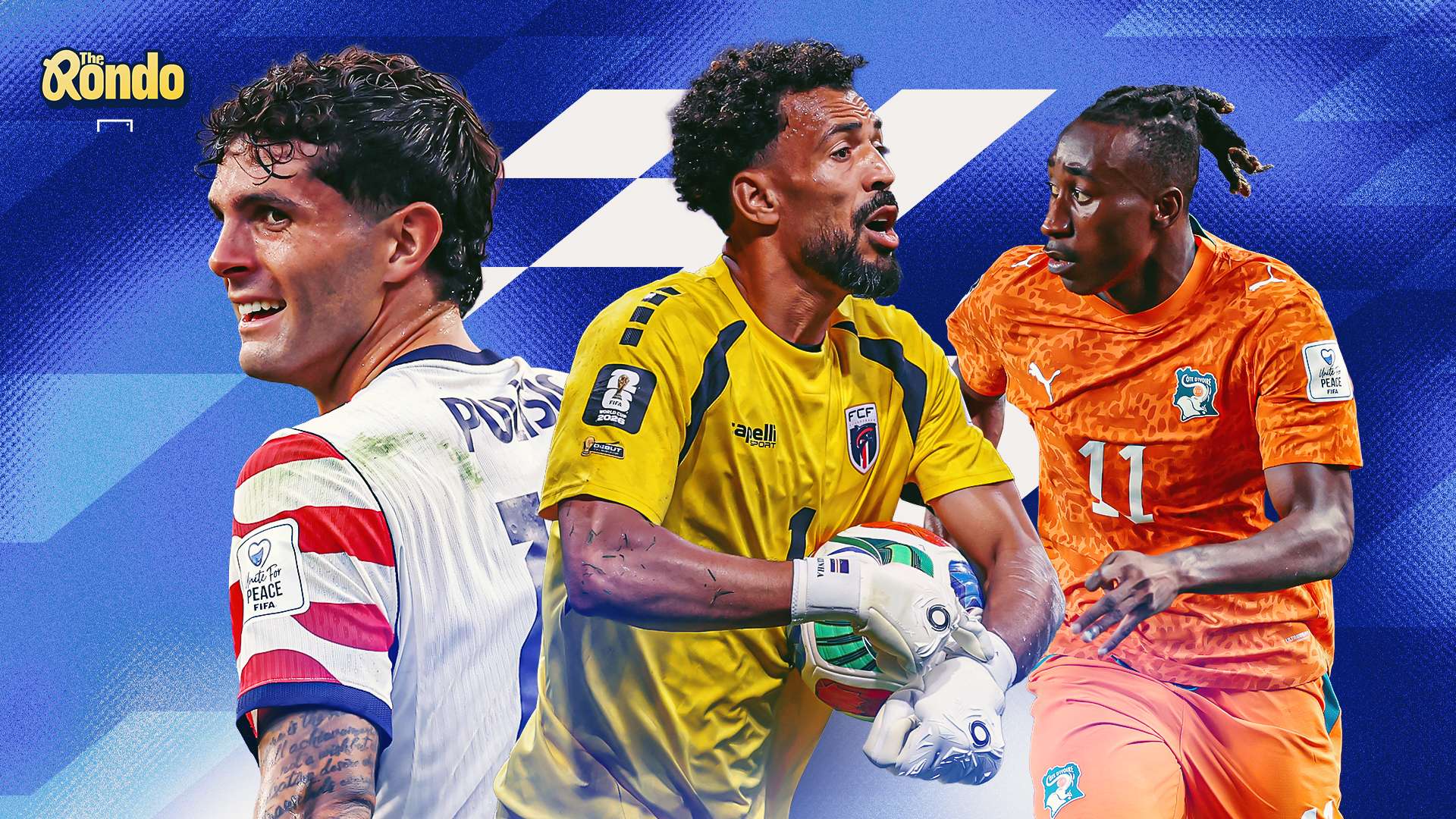
The Rondo: Spain vs Cape Verde – The greatest goalless draw ever? Are the USMNT truly elite? Which side has underperformed the most so far at the World Cup?
-
Democrat Senators ask Trump not to extend sanction waiver on Russian oil

-
Restructuring of Education Department: Key Functions Shifted to Other Federal Agencies

-
FIFA World Cup: Thomas Partey loses appeal for Canadian visa
-
Women's T20 World Cup: England earn hard-fought win over Ireland