A fragile calm returned to the Middle East on Friday after Israel and Hezbollah agreed to halt hostilities in Lebanon, creating fresh optimism around upcoming diplomatic engagements between the United States and Iran. The breakthrough follows days of intense cross-border violence that had threatened to undermine efforts to reach a wider regional understanding.
The ceasefire came into effect during the afternoon after a final round of exchanges between the two sides. The agreement was facilitated through mediation efforts involving the United States and Qatar, with Iran also playing a role in advancing the negotiations.
Ceasefire Brings Temporary Relief After Deadly Escalation
The truce followed a period of heavy fighting that inflicted significant casualties and heightened fears of a broader regional conflict. Lebanese security officials reported that Israeli strikes continued briefly after the ceasefire formally began, though attacks ceased within an hour.
According to Lebanon’s health ministry, earlier Israeli operations killed 47 people and injured 97 others. On the Israeli side, the military confirmed that four soldiers lost their lives during combat operations in southern Lebanon.
Despite the agreement, Israeli troops are expected to remain deployed in parts of southern Lebanon. An Israeli official told Reuters, “If Hezbollah does not attack us, then for us it is not a time of war.”
Lebanese President Joseph Aoun criticized the attacks carried out before the ceasefire took hold but maintained that ongoing diplomatic efforts should continue despite the recent violence.
Renewed Focus On U.S.-Iran Negotiations
The cessation of hostilities has cleared a major obstacle for planned discussions between Washington and Tehran. The diplomatic process gained momentum earlier this week after both sides endorsed a 14-point memorandum designed to pause hostilities and establish a framework for addressing longstanding disputes, including concerns surrounding Iran’s nuclear activities.
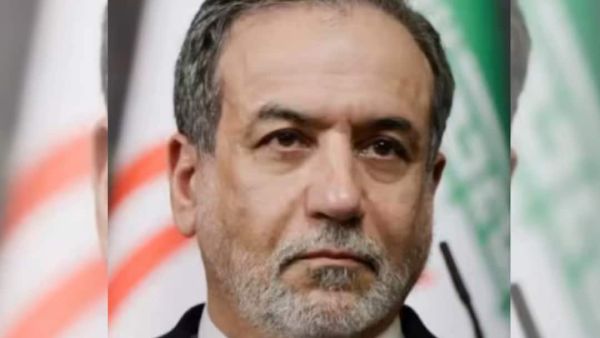
US envoy Steve Witkoff is expected to travel to Switzerland to participate in the next phase of discussions. Jared Kushner has already arrived at the Buergenstock resort, where diplomatic preparations are underway. Iranian Foreign Minister Abbas Aragchi is also anticipated to join the talks.
While US Vice President JD Vance cancelled his scheduled visit amid security concerns linked to the Lebanon conflict, the ceasefire has renewed confidence that technical-level negotiations can proceed in the coming days.
Washington Pushes For Broader Regional Settlement
Swiss authorities confirmed that preparations for the diplomatic meetings remain ongoing despite recent disruptions. Officials in Bern have reiterated their readiness to host and facilitate discussions aimed at reducing tensions across the region.
Meanwhile, Washington continues to emphasize the importance of a durable security arrangement in Lebanon. The US State Department said Secretary of State Marco Rubio spoke with President Aoun about the need to disarm Hezbollah and strengthen Lebanese sovereignty.
The two sides also discussed a possible new round of Israel-Lebanon negotiations in Washington between June 23 and June 25. Diplomats view the current ceasefire as a necessary first step before any wider political agreement can be pursued.
-
Indian IT industry wants to take on 'unglamorous' AI work for American companies

-
India's foreign exchange reserves fall by nearly $10 billion to $671 billion

-
Brazil Triumphs Over Haiti in FIFA World Cup 2026 Opener

-
Shraddha Kapoor Saree Style Guide: Elegant Party Looks That Keep You Stylish and Comfortable in Summer
-
Redmi Turbo 5 Sale Goes Live on Amazon: How to Grab ₹2,000 Instant Discount