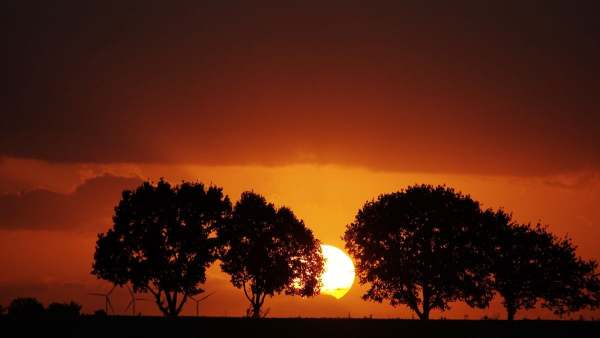
The word "solstice" is derived from the Latin terms sol (Sun) and sistere (to stand still), which refers to the Sun's apparent pause in its northward movement before it begins its gradual journey southward. Although many people refer to it as the longest day, it doesn't mean the hottest day of the year.
The longest day of the year in the Northern Hemisphere is set to be observed on Sunday, June 21. It will mark the Summer Solstice of 2026 and the shortest night of the year in the Northern Hemisphere. This annual astronomical event takes place when the Earth's North Pole is tilted most directly toward the Sun, allowing regions north of the equator to receive the maximum amount of daylight.
What is the meaning of solstice?
The word "solstice" is derived from the Latin terms sol (Sun) and sistere (to stand still), which refers to the Sun's apparent pause in its northward movement before it begins its gradual journey southward. Although many people refer to it as the longest day, it does not mean the hottest day of the year. Temperatures often continue to rise in the weeks that follow because the Earth's land and oceans take time to warm up.
Significance of the Summer Solstice
-
Woman killed in accident after RTC bus rams bike in Hayatnagar

-
Hyderabad advocate murder: Police seek custody of prime accused

-
Japan thrash Tunisia 4-0 to close in on knockout berth

-
Gujarat Celebrates International Yoga Day with Enthusiasm, CM Bhupendra Patel Leads Mass Yoga Session in Mansa

-
Sooryavanshi smashes fastest List A fifty, falls short of fastest hundred by one stroke