Pink mould in the bathroom: What is it and kitchen ingredients that can remove it
ETimes | June 22, 2026 9:39 PM CST
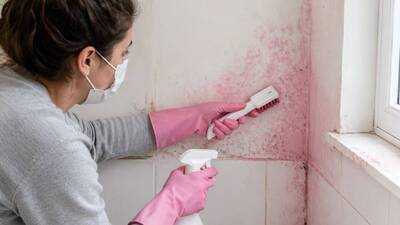
The pink marks that gather around shower drains, bathroom corners and sink edges can be easy to overlook. They often appear gradually, beginning as a faint blush-coloured stain before developing into a slippery film that seems to return no matter how often the area is wiped down. Because it lacks the dark appearance usually associated with mould, many people assume it is harmless residue left behind by hard water or toiletries. Yet that pink growth is usually a sign that moisture, warmth and everyday bathroom grime have combined to create ideal conditions for bacteria. While it is rarely the most serious cleaning problem in a home, it is one that tends to spread quietly if ignored, especially in damp spaces that never fully dry out.
What is pink mould and where it grows
According to theSpruce, Pink mould is not actually mould in the usual sense. In most cases, it is a bacterium known as Serratia marcescens. It is commonly found in the environment and settles on damp surfaces where it can feed on soap residue, shampoo deposits, body oils and other organic matter left behind during daily use.
Its appearance can vary from pale pink to orange-pink, often forming a slimy layer around bathtubs, shower trays, grout lines, taps and drains. Bathrooms are a favourite location because they provide a constant supply of moisture. Poor ventilation can make the problem worse, allowing the bacteria to establish a thin protective layer that helps them cling to surfaces and return after cleaning.
Effective ways to get rid of pink mould using common household ingredients
1. Baking soda and dish soap
This is one of the simplest methods for tackling visible pink growth.
Ingredients:
Method:
Mix the baking soda and dish soap until a loose paste forms. Apply it directly to the affected area and scrub using a small brush or an old toothbrush. Work the mixture into grout lines, corners and any pink patches until the residue begins to lift. Rinse the surface thoroughly with warm water and wipe it clean.
2. White vinegar
White vinegar is commonly used for lighter pink mould growth and routine maintenance.
Ingredients:
Combine equal parts white vinegar and water in a spray bottle. Spray the solution generously over the affected surface and leave it in place for around 10 to 15 minutes. Once the residue has loosened, scrub the area with a brush, rinse with clean water and dry completely.
3. Bleach solution
For persistent staining or areas where bacteria may remain after cleaning, a diluted bleach solution can be used as a disinfecting step.
Ingredients:
Mix bleach with water according to the product instructions and apply it to the cleaned surface. Allow the solution to sit for about 10 to 15 minutes before wiping or lightly scrubbing the area. Rinse thoroughly and ensure the surface is completely dry afterwards.
Never mix bleach with vinegar, ammonia or other household cleaners, and keep the room well ventilated during use.
Preventing pink mould in bathrooms and other damp spaces
Cleaning removes the visible growth, but moisture is what allows pink mould to return. After washing or disinfecting a surface, drying it thoroughly is just as important as the cleaning itself.
Bathrooms that remain damp for long periods provide ideal conditions for the bacteria. Opening a window, using an extractor fan and wiping down wet surfaces can help reduce the moisture that pink mould depends on. In many cases, preventing regrowth comes down to keeping surfaces dry rather than cleaning them more often.
What is pink mould and where it grows
According to theSpruce, Pink mould is not actually mould in the usual sense. In most cases, it is a bacterium known as Serratia marcescens. It is commonly found in the environment and settles on damp surfaces where it can feed on soap residue, shampoo deposits, body oils and other organic matter left behind during daily use.
Its appearance can vary from pale pink to orange-pink, often forming a slimy layer around bathtubs, shower trays, grout lines, taps and drains. Bathrooms are a favourite location because they provide a constant supply of moisture. Poor ventilation can make the problem worse, allowing the bacteria to establish a thin protective layer that helps them cling to surfaces and return after cleaning.
Effective ways to get rid of pink mould using common household ingredients
1. Baking soda and dish soap
This is one of the simplest methods for tackling visible pink growth.
Ingredients:
- ½ cup baking soda
- 1 tablespoon liquid dish soap
Method:
Mix the baking soda and dish soap until a loose paste forms. Apply it directly to the affected area and scrub using a small brush or an old toothbrush. Work the mixture into grout lines, corners and any pink patches until the residue begins to lift. Rinse the surface thoroughly with warm water and wipe it clean.
2. White vinegar
White vinegar is commonly used for lighter pink mould growth and routine maintenance.
Ingredients:
- White vinegar
- Water
- Spray bottle
Combine equal parts white vinegar and water in a spray bottle. Spray the solution generously over the affected surface and leave it in place for around 10 to 15 minutes. Once the residue has loosened, scrub the area with a brush, rinse with clean water and dry completely.
3. Bleach solution
For persistent staining or areas where bacteria may remain after cleaning, a diluted bleach solution can be used as a disinfecting step.
Ingredients:
- Bleach
- Warm water
- Spray bottle
Mix bleach with water according to the product instructions and apply it to the cleaned surface. Allow the solution to sit for about 10 to 15 minutes before wiping or lightly scrubbing the area. Rinse thoroughly and ensure the surface is completely dry afterwards.
Never mix bleach with vinegar, ammonia or other household cleaners, and keep the room well ventilated during use.
Preventing pink mould in bathrooms and other damp spaces
Cleaning removes the visible growth, but moisture is what allows pink mould to return. After washing or disinfecting a surface, drying it thoroughly is just as important as the cleaning itself.
Bathrooms that remain damp for long periods provide ideal conditions for the bacteria. Opening a window, using an extractor fan and wiping down wet surfaces can help reduce the moisture that pink mould depends on. In many cases, preventing regrowth comes down to keeping surfaces dry rather than cleaning them more often.
READ NEXT
-
Are England Guaranteed a Spot in the 2026 World Cup Knockouts After Their Draw with Ghana?

-
England face fresh injury concern as Declan Rice seen limping after goalless draw with Ghana

-
Roy Keane reverses stance on Bruno Fernandes after World Cup masterclass

-
‘WE ARE HERE!’ - Cristiano Ronaldo silences critics as 41-year-old legend makes history at the 2026 World Cup

-
India’s Got Latent 2: Samay Raina’s estimated earnings from Netflix