Everyone loves a tale of the underdog, and the FIFA World Cup has been the perfect stage for such stories over the years – with Cape Verde emerging as the latest nation to win hearts worldwide.
The expanded 48-team tournament was always expected to produce a few surprises, and this year has been no exception. Whether Cape Verde or any of the other smaller nations can go further remains to be seen.
For now, we’ve compiled our ranking of the 10 most memorable World Cup underdog stories in history.
We haven’t gone too far back in time, since few of us can recall the USA’s unexpected heroics in 1930. But we must salute Poland’s remarkable 1974 campaign, which came only in their second World Cup after debuting in 1938.
Poland started their group stage in stunning fashion, defeating Argentina 3-2, thrashing Haiti 7-0, and edging Italy 2-1. They advanced from the second group stage, losing only to hosts and eventual champions West Germany, before overcoming the 1970 champions Brazil in the third-place play-off.
Grzegorz Lato finished as the tournament’s top scorer with seven goals.
Croatia may have crushed English hopes in 2018, but their second golden generation was impossible not to admire as they battled their way to the World Cup final. After topping a group featuring Argentina, Nigeria, and Iceland – winning all three matches – Croatia edged Denmark and hosts Russia on penalties to reach the semi-finals.
They then beat England in extra time to reach the final, ultimately losing 4-2 to France. Luka Modric was named the tournament’s best player and later lifted the Ballon d’Or for his outstanding performances that year.
The 2002 World Cup offered several underdog stories, but the co-hosts South Korea’s controversial run to the semi-finals was overshadowed by allegations of favourable refereeing. On the other side of the draw, however, Turkey, appearing in their first World Cup since 1954, produced a stunning run to the last four.
Finishing second in their group behind eventual champions Brazil, Turkey overcame co-hosts Japan and then Senegal via a dramatic golden goal. They faced Brazil again in the semi-finals and narrowly lost 1-0 before beating South Korea in the third-place play-off.
Surprisingly, Turkey did not qualify for another World Cup until this year, only to be eliminated in the group stage.
Before 1994, Bulgaria had appeared in five World Cups without registering a single win. But that changed dramatically when Hristo Stoichkov, in his prime, led them to glory. Bulgaria advanced from a tough group containing Nigeria, Argentina, and Greece, then defeated Mexico and Germany in the knockout rounds before falling to Italy in the semi-finals.
Stoichkov, then playing for Barcelona, scored in each of the three knockout matches. Although Bulgaria lost the third-place play-off to Sweden, few would have predicted they would finish as the fourth-best team in the world.
Cameroon became the first African nation ever to reach the World Cup quarter-finals in 1990. Inspired by 38-year-old Roger Milla, the Indomitable Lions topped a group that included defending champions Argentina before defeating Colombia in the round of 16.
They pushed England to extra time in the quarter-finals, but Gary Lineker’s penalty ended their dream. Still, their run remains one of the tournament’s most iconic moments.
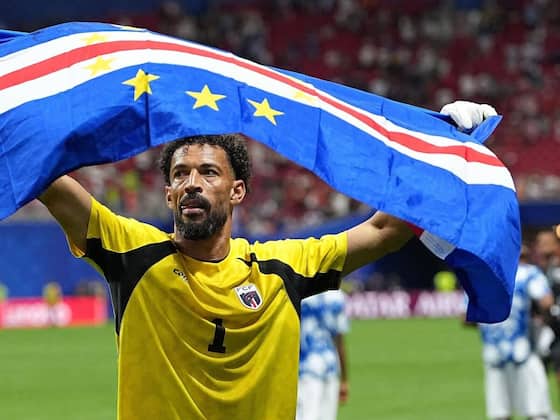
We were amazed by Cape Verde’s resilience in holding one of the tournament favourites, Spain, to a goalless draw in their World Cup debut. With 40-year-old goalkeeper Vozinha producing a series of heroic saves, the tiny island nation claimed a historic result.
Before the Spain match, Vozinha had 40,000 Instagram followers; now, he boasts over 15 million. And if that wasn’t enough, Cape Verde followed it up with a thrilling 2-2 draw against former world champions Uruguay.
They still have a chance to progress with a win over Saudi Arabia in their final group game. It’s hard not to cheer for them.
Among island nation underdog stories, Costa Rica’s 2014 campaign still holds a special place – even if it brings back painful memories for England fans. Costa Rica topped Group D ahead of England, Italy, and Uruguay, beating the latter two.
They then overcame Greece in a penalty shootout in the round of 16, before taking the Netherlands to penalties in the quarter-finals. Louis van Gaal famously substituted in goalkeeper Tim Krul just before the shootout – a move that paid off as Krul saved two penalties to end Costa Rica’s dream run.
Morocco made history at the 2022 World Cup by becoming the first African nation to reach the semi-finals. They topped a group including Croatia, Belgium, and Canada, then beat Spain on penalties and Portugal 1-0 in the knockout rounds.
Their disciplined, cohesive team even made future Manchester United flop Sofyan Amrabat look world-class. Although France proved too strong in the semi-finals and they lost the third-place match to Croatia, Morocco’s journey captivated not only their nation but much of the Arab and African world.
Two decades before their Modric-led final appearance, Croatia had already stunned the world on their tournament debut in 1998. With stars like Davor Suker of Real Madrid, Zvonimir Boban of AC Milan, and Slaven Bilic of Everton, they defied expectations to reach the semi-finals.
They beat Romania and Germany in the knockouts before falling to hosts and eventual winners France, later clinching third place by defeating the Netherlands. That first golden generation set the standard for future Croatian teams.
Few World Cup stories have been as heartbreaking as Ghana’s 2010 campaign. In extra time of their quarter-final clash with Uruguay, Luis Suarez infamously handled the ball on the line, denying Ghana a certain goal. Asamoah Gyan’s missed penalty that followed shattered African hopes.
Uruguay went on to win in the shootout after the match ended in a draw, ending what could have been a historic semi-final appearance for Africa’s first World Cup hosts. Ghana’s only wins came against Serbia and the USA, but their spirit and heartbreak left a lasting impression. They inspired an entire continent and earned the world’s respect.