
Relocation is not only a stressful experience for homeowners. Potted trees, houseplants and balcony gardens often suffer from temperature drops, lack of humidity and improper handling that occurs when moving from one apartment to another. Many gardeners become frustrated after seeing healthy plants losing leaves or becoming wilted soon after relocation. Fortunately, most plants survive and even flourish after moving if they are prepared appropriately and cared for properly. In this presentation, seven useful tips are offered for a hassle-free transition of plants to a new place.
Get your plants ready two or three weeks prior to the move
One should prepare plants for the move approximately two to three weeks prior to moving out. Do not repot, prune or fertilise plants during this period; it will put additional stress on them. It is necessary to maintain an appropriate watering schedule and check plants for the presence of pests or disease symptoms. Healthy plants are more resistant and resilient, and it will be easier to move them successfully.
Water plants appropriately before transportation
It is important to water plants correctly before the move. Too dry soil stresses plants, while very wet soil is too heavy, increasing the risk of developing root rot during transportation. The majority of plants should be watered one or two days before moving in order to ensure the soil is still slightly moist but not very wet. It prevents dehydration without creating a mess.
Prevent damaging stems, leaves, and flowers during the move
Leaves, stems, and branches of plants are often fragile. To prevent damaging them during the move, group small plants inside boxes and surround them with crumpled newspapers or soft materials to secure them from shifting. Larger plants should be carefully wrapped with fabric, newspaper sheets or garden fleece to protect against bruises and damage.
Protect your plants from temperature fluctuations
Temperature swings are one of the main enemies of plants during the relocation process. One should avoid leaving plants inside a hot moving van or exposing them to low temperatures for a long time. Whenever possible, plants should be transported in an air-conditioned car where temperatures are kept constant. Tropical plants are especially sensitive to both heat and cold stress.
Let your plants get used to their new habitat
After arriving at the new place, one should not immediately reposition or replant plants. One should place them in spots where there is a similar amount of light and give some time for acclimatisation. Loss of some leaves or wilting after relocation is quite a normal thing. Plants often need about a couple of weeks to get used to new temperatures, humidity, and lighting conditions.
Do not feed plants immediately after relocation
Many people think fertilising will help plants to recover quickly from stress after relocation, but professionals suggest not to do that. Relocated plants are already experiencing enough stress due to changes in the environment, and additional fertilising sometimes does more harm than good. Let the plants acclimate first and grow new leaves or shoots before starting the usual fertilising schedule.
Check for stress and recovery signs
The first several weeks after relocation play a crucial role for the plant's health condition. One should watch for yellowing leaves, wilting stems, shedding leaves or dehydration. Simultaneously, one should pay attention to positive signals like the appearance of new leaves and shoots. If it is necessary, one may change watering and lighting gradually but not all at once
-
Uri Geller claims to lift Harry Kane’s World Cup ‘curse’, pledges ‘positive vibes’ to counter Ghanaian witch doctor’s voodoo

-
Hyderabad’s art scene is growing up and so are its viewers

-
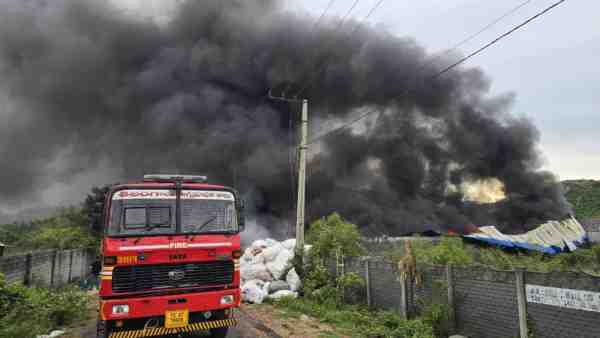
Fire breaks out at plastic unit in Hyderabad
-
The mistakes that sealed UK PM Keir Starmer’s fate

-
Messi makes World Cup history in Argentina’s 2-0 win