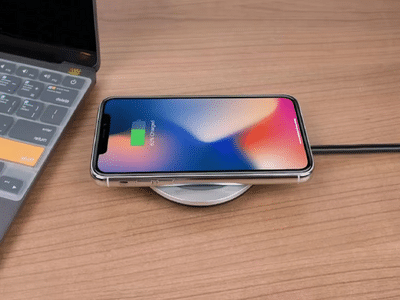
Smartphones have become an essential part of everyday life, serving as communication devices, entertainment hubs, workstations, and much more. From social media browsing and video streaming to office tasks and online payments, modern users rely heavily on their phones throughout the day. As a result, battery levels often run low by night, prompting many people to leave their devices plugged in until morning.
While today's smartphones are equipped with advanced charging technologies and safety features, experts say that certain charging habits can still affect battery health over time. Leaving a phone connected to a charger overnight may not cause immediate damage, but doing so regularly could contribute to gradual battery wear.
Do Modern Phones Prevent Overcharging?Most smartphones now include sophisticated battery management systems designed to protect devices from overcharging. Once the battery reaches 100%, the charging speed is automatically reduced or stopped to prevent excessive power intake.
These built-in safeguards make overnight charging safer than it was years ago. However, that does not mean keeping a phone plugged in for extended periods has no effect at all.
Why Keeping a Phone Plugged In for Hours Can Be a ConcernAlthough overcharging protection exists, maintaining a battery at full charge for long periods can create additional stress on lithium-ion batteries. Battery cells naturally degrade over time, and constant exposure to high charge levels may accelerate that process.
When a fully charged phone remains connected to power overnight, the battery may repeatedly top up small amounts of energy as the charge level drops slightly. This cycle can contribute to long-term battery aging.
Heat Remains One of the Biggest Battery EnemiesAccording to technology experts, excessive heat is among the leading causes of battery deterioration. Charging generates heat naturally, and the temperature can rise further if the phone is used while charging or placed in an environment with poor ventilation.
High temperatures can reduce battery efficiency, shorten overall lifespan, and affect long-term performance.
For this reason, users should ensure that their devices remain cool during charging sessions.
Avoid Covering Your Phone While ChargingOne common mistake is placing a charging phone under a pillow, blanket, mattress, or other soft surfaces. These materials can trap heat and prevent proper airflow around the device.
When heat builds up and cannot dissipate effectively, the risk of overheating increases significantly. In extreme cases, excessive heat may even create safety concerns.
Keeping the phone on a hard, flat surface while charging can help maintain a safer temperature.
The Importance of Using Certified ChargersThe quality of the charger also plays a major role in battery health and device safety. Low-quality or uncertified chargers may not regulate voltage and current properly, potentially causing battery damage over time.
Experts recommend using the charger provided by the manufacturer or a certified replacement from a trusted brand. Genuine accessories are designed to meet the device's charging requirements and safety standards.
Smart Charging Habits Can Extend Battery LifeMany smartphone manufacturers now offer features such as optimized charging, adaptive charging, or battery protection modes. These tools learn user charging patterns and help reduce battery stress by slowing charging near full capacity.
Adopting good charging habits can also make a difference. Users can benefit from:
- Avoiding unnecessary long charging sessions.
- Keeping the device away from excessive heat.
- Using certified charging accessories.
- Charging the phone when needed rather than leaving it connected for extended periods.
- Enabling battery protection features when available.
For most modern smartphones, occasional overnight charging is generally safe thanks to advanced battery management systems. However, making it a daily habit may gradually affect battery longevity, especially when combined with heat buildup or poor-quality chargers.
The key concern is not overcharging itself but the long-term stress placed on the battery when it remains at maximum charge for extended periods.
Bottom LineLeaving your smartphone plugged in overnight is unlikely to cause immediate harm, but smarter charging practices can help preserve battery health over the long run. Using certified chargers, preventing overheating, and avoiding unnecessary extended charging sessions can improve battery performance and extend the lifespan of your device.
As smartphones become increasingly important in daily life, taking care of battery health is a simple step that can help keep devices running efficiently for years.
-
India Suffer Major Setback As Nitish Kumar Reddy Ruled Out Of UK White-Ball Tour With Quadriceps Injury

-
UGC NET June 2026: NTA Schedules Re-Exam On July 5 For Candidates Affected By Jalandhar Technical Glitch

-
Lucknow Fire Tragedy Under NHRC Lens As Complaint Seeks Probe Into Student Deaths

-
Maa Inti Bangaaram Box Office Collection Day 4: Samantha Ruth Prabhu Starrer Sees Single-Digit Earnings, Mints ₹4.10 Crore

-
Nestle, Mahindra And 112 Firms Urge Govts To Prioritise Electrification Over Fossil Fuels