

Amid the recent NEET exam controversy, the government imposed a temporary ban on Telegram on June 16. Which app do you think users turned to when Telegram was blocked? WhatsApp, Signal, or Instagram? The answer is—none of them.
The biggest beneficiaries of this ban were apps that usually see little demand: VPN (Virtual Private Network) apps. Users flocked to download VPN apps to continue using Telegram.
**VPN Apps See a Boom Due to Telegram Ban**
According to data from the app intelligence firm 'Appfigures,' the ban on Telegram led to the largest surge in VPN downloads in India this year. A look at the figures reveals:
**June 16:** On the day the ban was imposed, downloads of the top 100 VPN apps rose to 645,000.
**June 17:** The very next day, this figure reached 919,000.
**Growth:** This number was 76% higher than the average recorded between June 9 and 15, and 63% higher than the baseline for June 1 to 15.
According to the data, June 17 marked the best day for VPN apps in India since the beginning of 2025.
**What is a VPN?**
A VPN (Virtual Private Network) acts as a "master key" in the internet world, allowing you to unlock websites and apps that have been blocked.
**Changing Location:** The content you see online depends on your location. For instance, many Netflix movies and series are unavailable in India. However, by using a VPN to switch your device's location to the US, you can access all that content.
**Secure Connection:** Simply put, if you are away from the office and need data from the office server, a VPN securely connects your system to that server via the internet. Hiding your IP address: A VPN encrypts your internet traffic (converting it into secure code) and routes it through servers in different locations. This masks your real IP address and allows you to bypass network restrictions.
Both free and paid (premium) VPNs are available on the market. Free apps typically offer server locations in only a few countries, whereas paid apps allow you to choose servers from anywhere in the world.
Does using a VPN make you completely invisible?
If you believe that using a VPN allows you to do anything online without anyone finding out, you are mistaken. It is similar to the misconception that searching in a browser's Incognito Mode prevents your history from being recorded. While your history might not appear in the browser itself, your Internet Service Provider (ISP) can still access all that information if necessary.
Regulations regarding VPNs in India
Similarly, government agencies can easily access VPN records. Since June 2022, the Indian government has mandated that VPN service providers operating in the country must securely store their users' records for five years. Therefore, if you think using a VPN to access Telegram or blocked websites makes you completely anonymous, that is merely a misconception.
Disclaimer: This content has been sourced and edited from Amar Ujala. While we have made modifications for clarity and presentation, the original content belongs to its respective authors and website. We do not claim ownership of the content.
-
Jude Bellingham urged to grow from ‘personality clash’ with Thomas Tuchel as England boss asserts his authority

-
India Suffer Major Setback As Nitish Kumar Reddy Ruled Out Of UK White-Ball Tour With Quadriceps Injury

-
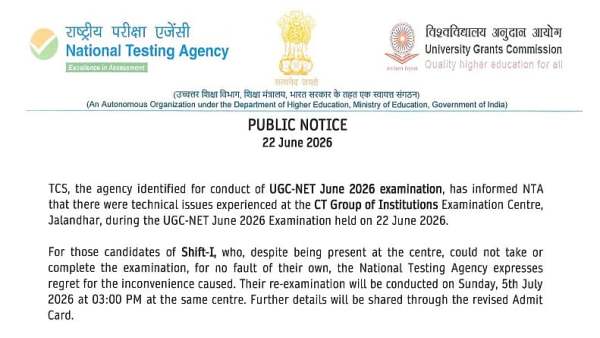
UGC NET June 2026: NTA Schedules Re-Exam On July 5 For Candidates Affected By Jalandhar Technical Glitch
-
Lucknow Fire Tragedy Under NHRC Lens As Complaint Seeks Probe Into Student Deaths

-
Maa Inti Bangaaram Box Office Collection Day 4: Samantha Ruth Prabhu Starrer Sees Single-Digit Earnings, Mints ₹4.10 Crore