
A mother quietly opening the bedroom door to check on a sleeping child is often interpreted as worry. If the child is already asleep and safe, why look again? Research on caregiving suggests the answer is not always fear. The caregiving system is designed not only to respond to distress but also to respond to signs that a child is comfortable and protected. A developmental neuroscience review of caregiving, published in , found that when a child’s needs are met, parents can experience pleasure and satisfaction associated with caregiving itself. In other words, the reassurance a parent receives from seeing a sleeping child may be rewarding because it confirms that care is working.
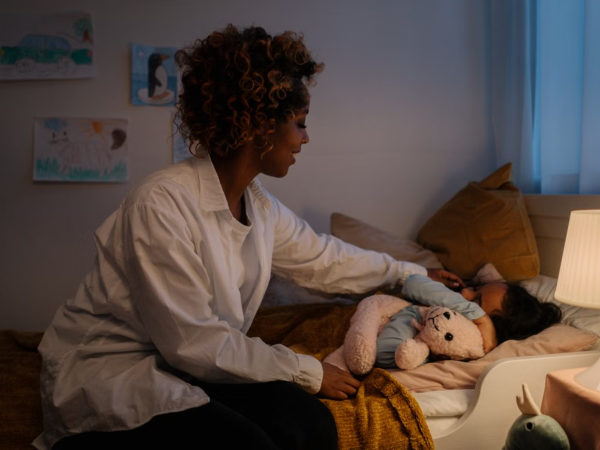 The brain responds to signs that caregiving has succeeded
One reason bedtime checks can become such a common habit is that they provide immediate feedback. A parent sees steady breathing, a relaxed face, or a child sleeping peacefully, and the brain receives evidence that the child’s needs have been met.
The same neuroscience review found that caregiving is linked to reward-related brain activity, particularly when parents respond to cues from their own child. This directly supports the headline. The behavior is not necessarily driven by suspicion that something is wrong. It can also be reinforced by the positive emotional response that follows confirmation that everything is right.
That distinction matters because it shifts the focus away from anxiety and toward caregiving. The parent is not always looking for danger. Sometimes they are responding to the satisfaction of seeing that their efforts have produced comfort and safety.
Reward and concern often exist together
Parental behavior is rarely driven by a single emotion. Research on maternal reward responses before and after childbirth, published on found that greater reward sensitivity was associated with greater pleasure in later interactions with infants.
The findings suggest that caregiving can become emotionally reinforcing in its own right. This does not mean worry disappears, since most parents remain alert to their children’s well-being. What the research suggests is that reassurance and concern often operate simultaneously. A mother may check because she cares deeply about safety, but the act itself may also provide comfort, connection, and emotional reward.
This helps explain why some parents continue the habit even during periods when they have little reason to believe anything is wrong. The behavior has become associated with a reassuring outcome.
Children’s cues remain emotionally important
Parents often show stronger responses to their own child’s signals than to those of unfamiliar children. The caregiving system becomes highly attuned to cues that indicate need, comfort, or well-being.
Over time, this sensitivity can make monitoring feel natural rather than effortful. A sleeping child becomes more than a quiet presence in another room. The child remains emotionally significant, and checking in is one way to maintain awareness of that significance.
Because these responses are rooted in caregiving, the behavior does not always disappear simply because the immediate need for protection has passed.
Reassurance can become part of a caregiving routine
A study examining responsive caregiving, published in , found that when parents respond effectively to children’s needs, the resulting calming effect can reinforce future caregiving behaviors. The process creates a feedback loop in which care is followed by evidence that the care was helpful.
This may help explain why bedtime checking often feels automatic. The routine has been repeated many times, and each successful check reinforces the sense that monitoring contributes to a child’s well-being. The parent becomes accustomed to confirming that everything is fine before fully relaxing themselves.
Importantly, this does not mean repeated checking is always beneficial, because when stress becomes excessive, monitoring can become exhausting rather than reassuring. But under ordinary circumstances, the behavior may function as a small caregiving ritual rather than a sign of persistent fear.
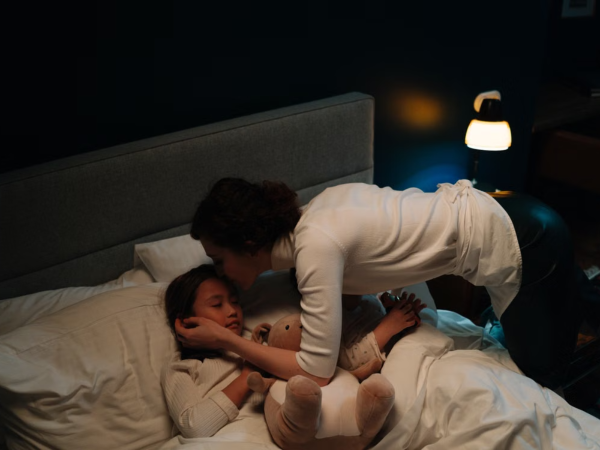 The habit reflects more than anxiety
Reassurance can serve different purposes depending on context. In some situations, it reflects anxiety, but in others it reflects caregiving, connection, or a desire to maintain a sense of safety.
Mothers who keep checking on sleeping children are not necessarily doubting that their children are safe. Research suggests that caregiving itself can be rewarding, particularly when it provides visible confirmation that a child is comfortable and protected. The act of checking often provides reassurance, but that reassurance is not always about fear, as it can also reflect the satisfaction of seeing care succeed.
-
Reels inside Ananthagiri Hills lands Uppal Balu in trouble

-
Revanth trying to provoke minorities, disrupt SIR: Kishan Reddy

-
Hijab allowed, but face must be visible for Maharashtra TET

-
CM Shivakumar inaugurates 10.7 km signal-free road in Bengaluru

-
Ram temple donation: People’s faith played with, says Akhilesh